
The American political landscape shifted dramatically on November 3, 2025, when the Democratic Party secured a record victory in both chambers of Congress. This overwhelming win didn't just alter the balance of power—it sent shockwaves through Republican ranks, prompting a period of intense reflection about the party's future direction. At the center of this moment of reckoning stands Vice President JD Vance, a prominent figure in the MAGA movement who now finds himself at a crossroads regarding his own political ambitions.
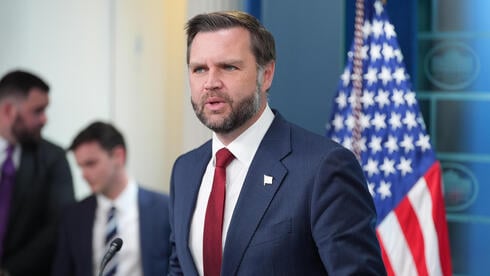
In the weeks following the Democratic triumph, CNN reported that Vance appears uncertain about whether to pursue a presidential run in 2028. While his public posts on the social media platform X seemed to confirm his candidacy, private conversations paint a more complex picture. According to sources close to Vance, the vice president remains loyal to the MAGA movement but privately questions whether he is the right person to lead the party's recovery from this significant electoral defeat. "I would not be surprised by whatever decision he makes," one confidant noted, highlighting the genuine uncertainty surrounding Vance's plans.

Questions are emerging about Vice President JD Vance’s political future following the midterms. Reports show that Vance is considering whether to run for president in 2028, with sources close to him questioning whether he is the right person to lead the MAGA movement after President Trump. For more updates, watch OAN on OAN Live or click the link in our bio.
Adding another layer to this decision is the personal dimension. The birth of Vance's fourth child in July 2026 has introduced new considerations into his political calculus. For many national figures, the demands of a presidential campaign—particularly when combined with the responsibilities of the vice presidency and a growing family—can seem daunting. This personal milestone may be prompting Vance to reassess the timing of his potential presidential ambitions, even if his political instincts remain aligned with the MAGA movement.
In a candid assessment, Trump admitted that the war with Iran cost Republicans the election.
Beyond personal considerations, the geopolitical landscape presents significant challenges. The ongoing war with Iran and the resulting fuel price increases have emerged as major obstacles in the current political environment. Vance's allies reportedly view this conflict as a critical factor that complicated Republican messaging and contributed to the party's electoral setbacks. The war's impact on everyday Americans—particularly through rising fuel costs—appears to have resonated strongly with voters, creating a difficult environment for Republican candidates.

The Blockade Squeezes Iran, JD Vance https://t.co/k9GU9VYK6S
President Donald Trump himself has acknowledged the political fallout from the Iran conflict. In a candid assessment, Trump admitted that the war with Iran cost Republicans the election. This admission represents a rare moment of political accountability from the former president and underscores the magnitude of the electoral defeat. Furthermore, Trump has pledged to cooperate with the new Democratic-controlled Congress, signaling a potential shift in the political dynamics following the midterm results.
The new Congress, scheduled to begin its term on January 3, 2027, will operate under a fundamentally different political reality than its predecessor. With Democrats controlling both chambers, the legislative agenda will likely shift significantly, forcing Republicans to either adapt or face continued marginalization. This new reality has undoubtedly influenced Vance's thinking about his own role and the direction of the party he represents.

Vice President JD Vance isn’t out of the 2028 presidential race yet. Vance is keenly aware of the headwinds against the Trump administration — but also of the potential for those winds to shift as Democrats take power, more than a dozen people said. https://t.co/0J43eYwWJA
As the Republican Party grapples with this moment of defeat and reassessment, Vance's decision about his 2028 ambitions will carry considerable weight. Whether he chooses to pursue the presidency or step back to allow other voices to emerge, his choice will send a powerful signal about the future direction of the MAGA movement and the Republican Party more broadly. The coming months will likely reveal more about Vance's thinking as the party begins to chart its course beyond this electoral setback.

In the immediate aftermath of the Democratic victory, the Republican finds itself at a critical juncture. Vance's uncertainty reflects a broader moment of introspection within the party as it seeks to understand what went wrong and how to move forward. The combination of personal considerations, geopolitical challenges, and a dramatically altered political landscape has created a complex set of circumstances that will shape the party's future—and potentially Vance's own political destiny—for years to come.