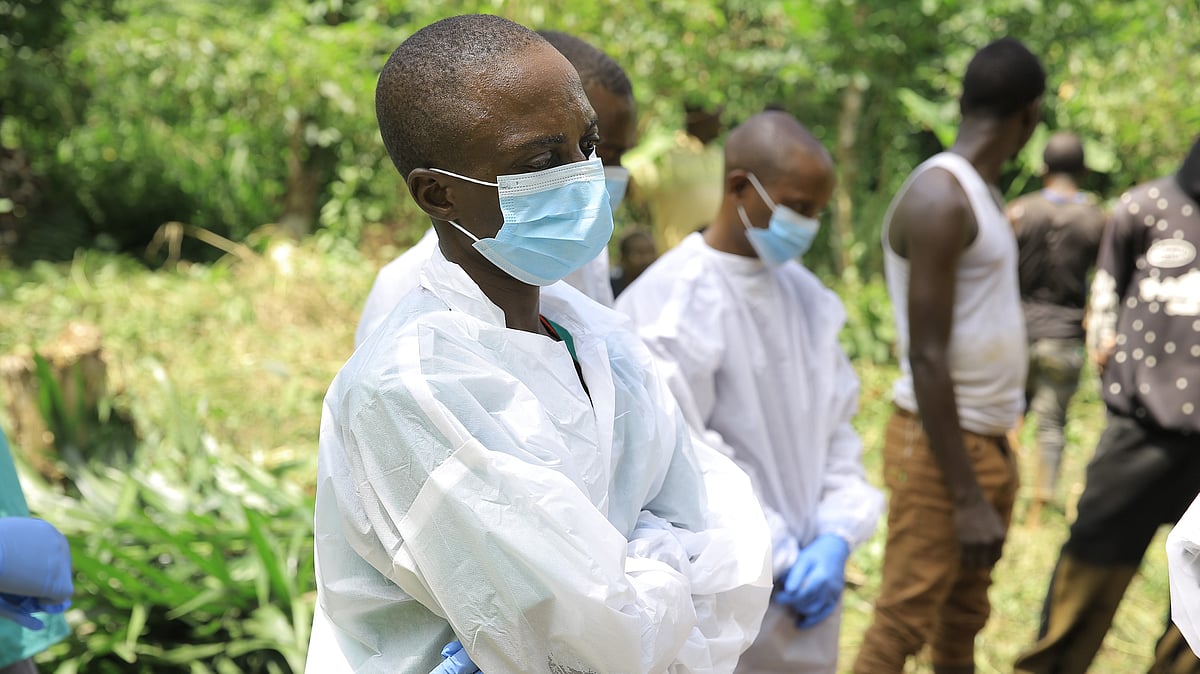
In the Democratic Republic of Congo, a public health crisis has reached a grim milestone: 12,021 confirmed cases of Ebola, with 5,904 deaths reported as of November 26. This outbreak, caused by the rare Bundibugyo strain of the Ebola virus, has already claimed the title of the deadliest among the 17 recorded outbreaks in the country's history. What makes this particular crisis especially concerning is that the Bundibugyo strain lacks an approved vaccine or treatment, leaving health workers with limited tools to combat its spread.
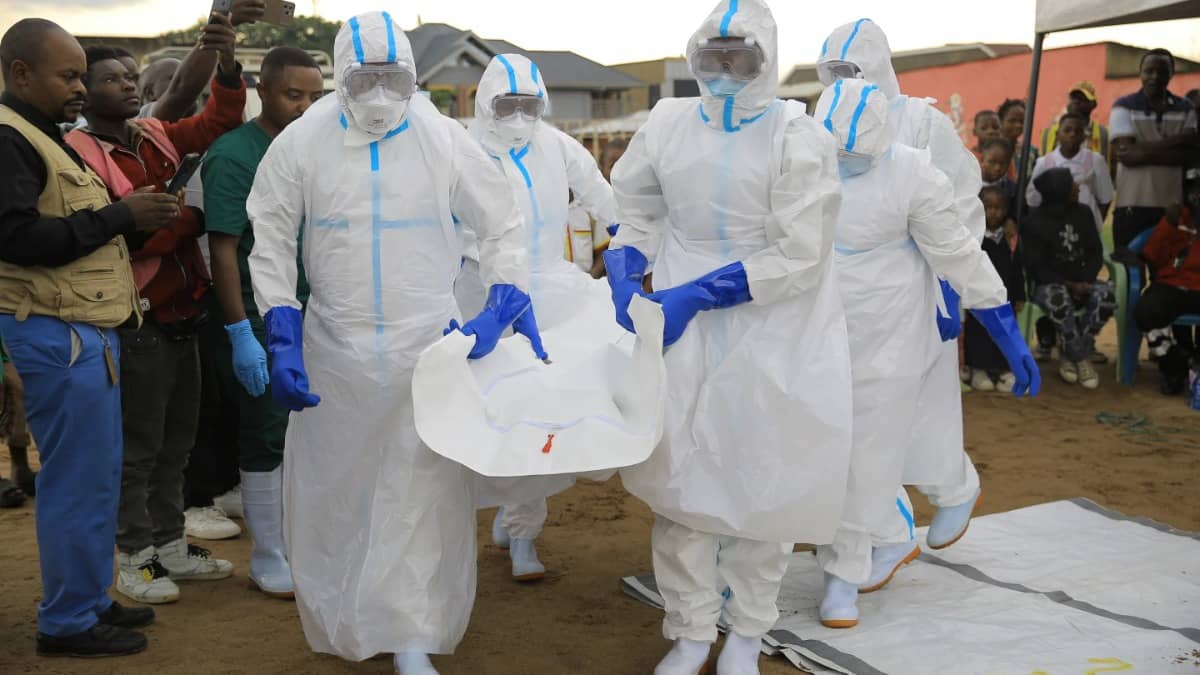
The numbers tell only part of the story. Behind each statistic is a human life cut short and a community grappling with fear and loss. The situation has been exacerbated by the region's ongoing instability, which has created perfect conditions for the disease to spread while simultaneously hindering efforts to stop it.
The crisis took a dramatic turn in late November when armed clashes resumed between the Congolese army and the Convention for the Popular Revolution (CRP) near Iga-Barrière and Bunia in Ituri province. These renewed hostilities have had immediate and devastating consequences for the Ebola response. Medical teams have been prevented from accessing affected areas, disrupting critical contact monitoring efforts that are essential to containing the outbreak.
Recent attacks in North Kivu province have forced more than 20,000 civilians to flee their homes, according to WHO officials.
On November 24, the violence forced a dangerous evacuation of health workers from Akwe hospital. According to Catherine Smallwood, around a dozen people, including two WHO personnel and Congolese health officials, were evacuated to Bunia under challenging circumstances. This withdrawal represents a significant setback, as these teams were on the front lines of the response, working to identify and isolate new cases while educating communities about prevention measures.
The conflict has also triggered a secondary crisis of displacement. Recent attacks in North Kivu province have forced more than 20,000 civilians to flee their homes, according to WHO officials. This mass movement of people creates ideal conditions for Ebola to spread, as families displaced from their communities may lack access to proper sanitation, healthcare, and accurate information about the disease. The displaced individuals also make it exponentially more difficult for health workers to trace contacts and monitor potential new cases.
Health officials now find themselves in a race against time, attempting to contain one of the most dangerous Ebola outbreaks while navigating an increasingly volatile security situation. The combination of armed conflict, population displacement, and the particularly dangerous Bundibugyo strain has created what some are calling a perfect storm for public health disaster.
The coming weeks will be critical in determining whether containment efforts can regain momentum before the outbreak spirals further out of control.

The Democratic Republic of Congo now faces the dual challenges of containing one of the most dangerous Ebola outbreaks in history while simultaneously addressing widespread violence and displacement. The 12,000-case milestone serves as a stark reminder that in regions beset by conflict, public health crises cannot be addressed in isolation from the broader security and humanitarian challenges. As the international community watches and responds, the people of Congo continue to bear the brunt of this unfolding tragedy.