
At 4:30pm on a day in November 2026, the rhythm of life in Coventry was shattered by a violence that left no room for recovery. Keaton Slater, just twelve years old, was caught in the path of a black BMW traveling at more than 70mph. The speed was not merely fast; it was a force of nature that transformed a vehicle into a projectile. When the car struck the boy, the momentum was so great that he was projected into parked cars, a moment of impact that Judge Kristina Montgomery KC noted likely killed him instantly.

In the immediate aftermath of the collision, the scene was defined by a chilling absence. Instead of a driver stepping out to render aid or call for help, there was only the silence of a fleeing vehicle. The BMW did not stop. It sped away from the site of the tragedy, leaving a family to navigate the wreckage of a life cut short. The car was eventually discovered abandoned six miles away, a discarded piece of evidence in a crime that had fundamentally altered the landscape of a community.
As investigators worked to piece together the identity of the driver, the trail led to Aleksanders Dolars. However, the pursuit of accountability was not a straight line. Following the incident, Dolars fled the United Kingdom, seeking refuge in Latvia. For the Slater family, this departure added a layer of profound helplessness to their grief. The person responsible for the death of their son was not just a stranger, but a fugitive operating beyond the immediate reach of British law.
It was the turning point that allowed the British justice system to reassert its authority over the events that had unfolded on a Coventry street.
This period of evasion turned a local tragedy into an international legal pursuit. While the investigation continued, the Slaters were left to grapple with a void that was both emotional and judicial. The distance between Coventry and Latvia represented more than just miles; it represented a barrier to the closure that any grieving parent seeks. The driver had escaped the scene, and for a time, it appeared he might escape the consequences as well.
The path to the courtroom was paved by significant changes in how the law handles those who flee across borders. By November 2026, new laws had been enacted that enabled the extradition of Aleksanders Dolars from Latvia. These legislative shifts provided the mechanism necessary to bring the driver back to the jurisdiction where the crime occurred, ensuring that fleeing the country would no longer serve as a permanent shield against prosecution.
This legal evolution meant that the pursuit of Dolars could move from the realm of international searching to the reality of a domestic trial. It was the turning point that allowed the British justice system to reassert its authority over the events that had unfolded on a Coventry street. For the authorities, it was a matter of procedural necessity; for the Slater family, it was the first tangible sign that the silence following the crash might finally be broken.
When the case finally reached Warwick Crown Court, the technical details of the crash took center stage. The prosecution focused on the physics of the collision, specifically the velocity at which Dolars had been traveling. The speed of 70mph was central to the determination of guilt. Judge Kristina Montgomery KC was unequivocal in her assessment of the driver's conduct, stating that his "grossly excessive speed made a collision with Keaton unavoidable."
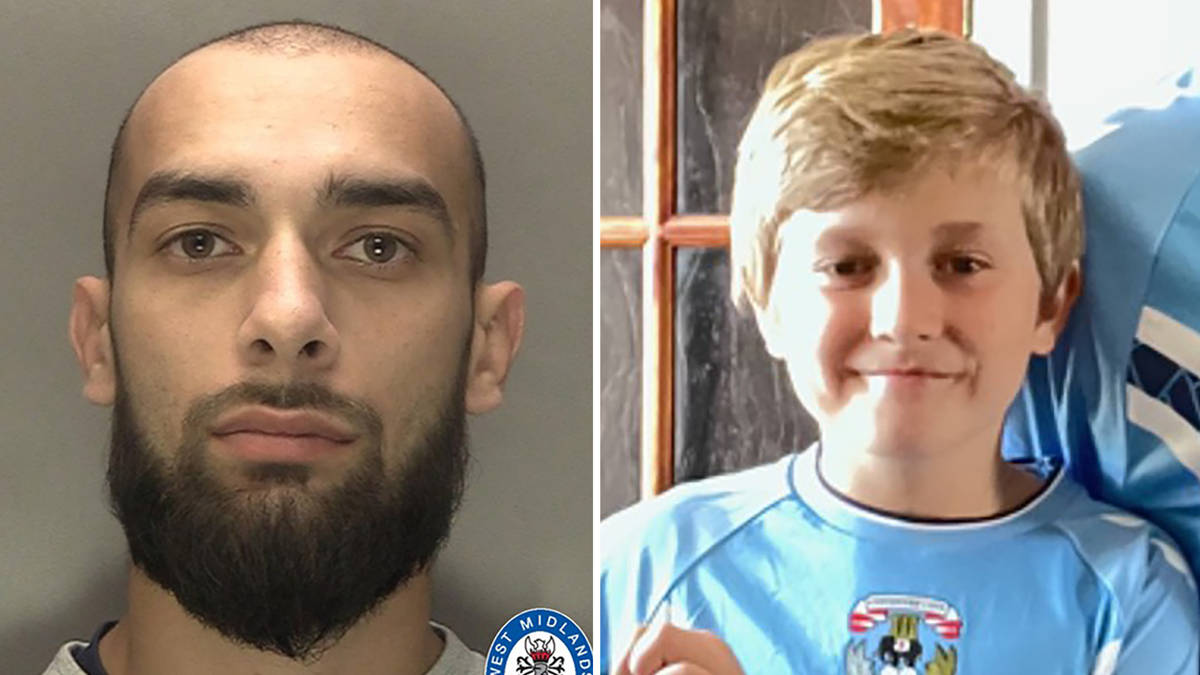
In the eyes of the court, the tragedy was not a mere accident of circumstance, but the direct result of dangerous driving. The speed at which the black BMW traveled removed any possibility of avoiding the child, turning a moment of transit into a fatal encounter. By pleading guilty to causing death by dangerous driving, Dolars acknowledged the role his choices played in the sudden end of Keaton's life.
For the parents of Keaton Slater, the legal proceedings were not merely a series of hearings, but the culmination of a long, agonizing struggle. They had spent two years living in the shadow of the crash, navigating a world that no longer contained their son. The delay caused by the driver's flight had turned their mourning into a prolonged state of unrest.
"For two years, we have struggled to come to terms with Keaton’s death while also having to live with the devastating feeling that justice has not been done," the parents shared. Their words reflect a specific kind of trauma—the intersection of profound loss and the frustration of an unresolved crime. The sense that justice was being withheld was as much a part of their daily existence as the grief itself.
As the proceedings at Warwick Crown Court concluded, the court moved to impose a penalty that reflected the severity of the offense. Aleksanders Dolars was sentenced to 9 years and 4 months in prison. The sentence served as the formal recognition of the harm caused by his actions and the dangerous manner in which he operated his vehicle.
While the prison term provides a legal resolution, the impact on the Slater family remains a permanent fixture of their lives. The court has spoken, and the driver is behind bars, but the void left by a twelve-year-old boy remains. The case stands as a stark reminder of how a single moment of dangerous driving can trigger a chain of events that spans borders, laws, and years of human suffering.