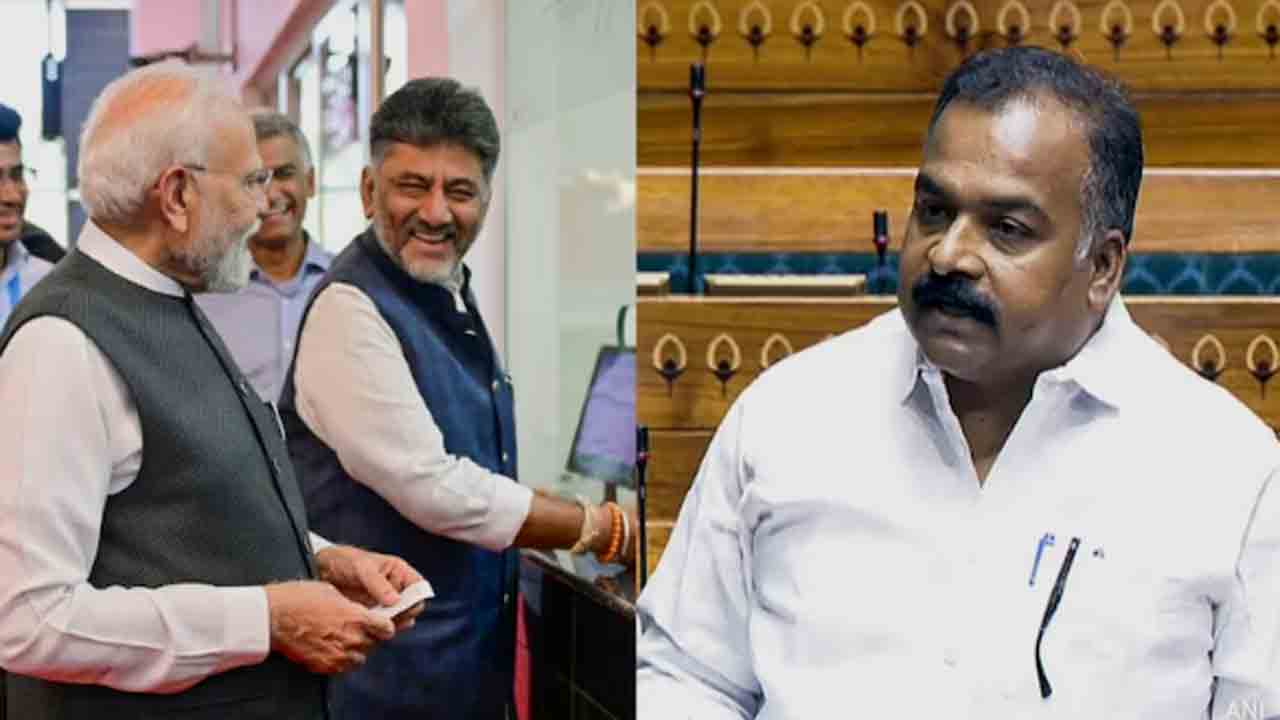
For farmers in southern India, the Cauvery River is lifeblood. But for decades, the sharing of its waters has been a source of intense conflict between Karnataka and Tamil Nadu, two states with deeply intertwined agricultural economies. The latest flashpoint? The proposed Mekedatu dam, a balancing reservoir Karnataka hopes will alleviate water scarcity during the dry season. The project, however, has ignited a political firestorm – not just between the states, but within the Congress party, which holds power in both Karnataka and is a key partner in the ruling coalition in Tamil Nadu.
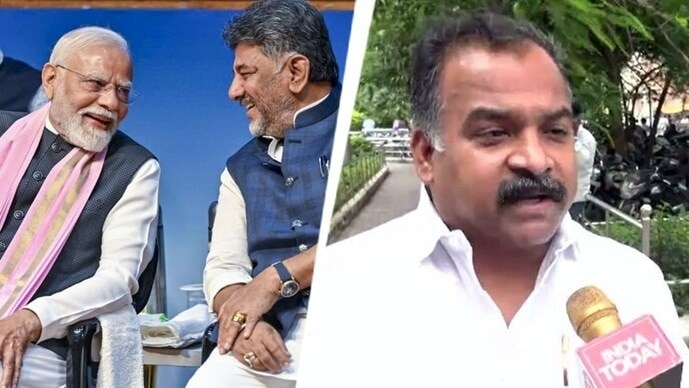
On November 14th, Karnataka’s Deputy Chief Minister D.K. Shivakumar publicly appealed to Prime Minister Narendra Modi for central government assistance in securing approvals for the Mekedatu project. Shivakumar made the request in Mysuru, a city situated on the banks of the Cauvery, framing the dam as essential for Karnataka’s water security. “The Mekedatu project is to be built in Karnataka, and no one can stop it,” he stated, a sentiment that would quickly draw sharp rebuke from within his own party. Shivakumar’s move was a direct attempt to accelerate the project, which has been stalled for years due to objections from Tamil Nadu.

The political face-off between Congress MLA Harish Dhami and Chief Minister Pushkar Singh Dhami has intensified following the controversy at the Jauljibi fair in Pithoragarh, Uttarakhand. Taking his challenge further, Harish Dhami has dared the Chief Minister to contest the 2027 Assembly election from Dharchula, his own constituency.
That same day, Manickam Tagore, the President of the Tamil Nadu Congress Committee, responded with a scathing critique of Shivakumar’s stance. Using the social media platform X, Tagore accused Shivakumar of stubbornly pushing a project that disregards the rights of Tamil Nadu farmers. The core of the dispute centers on the belief in Tamil Nadu that the dam will significantly reduce the water flow downstream, jeopardizing agricultural livelihoods. Tagore’s public condemnation marked a clear fracture within the Congress party, exposing the difficult balancing act the party faces when navigating inter-state water disputes.
This tribunal, established to resolve the decades-long dispute, allocated specific quantities of water to each state.
Tagore didn’t just criticize Shivakumar’s political maneuvering; he grounded his opposition in legal precedent. He argued that the Mekedatu project violates both Supreme Court directives and the final award of the Cauvery Water Disputes Tribunal. This tribunal, established to resolve the decades-long dispute, allocated specific quantities of water to each state. Tamil Nadu contends that the dam would allow Karnataka to retain more water upstream, effectively diminishing the share allocated to Tamil Nadu. The Cauvery Water Disputes Tribunal is a body created to adjudicate disputes over the sharing of water from the Cauvery River, a vital resource for both states.
The situation highlights the inherent challenges of national parties operating in a federal system like India. The Congress party, while aiming for a unified national agenda, must also cater to the specific interests of its state-level units. In this case, the Karnataka Congress, focused on addressing water scarcity within the state, finds itself at odds with the Tamil Nadu Congress, which prioritizes protecting the water rights of its farmers. Tagore, in a statement, emphasized that the project would “negatively impact the livelihoods of Tamil Nadu farmers and violates the rights of the downstream state.”
As of late 2026, the Mekedatu project remains stalled, caught in a web of legal challenges and political opposition. The Tamil Nadu Congress has formally demanded that the central government withhold approvals until downstream states provide their consent – a condition Karnataka is unlikely to accept. The dispute underscores the complexities of inter-state water management in India, where competing demands and historical grievances often collide. The Congress party, meanwhile, is left to navigate the treacherous waters of this dispute, attempting to balance the interests of its constituents in both Karnataka and Tamil Nadu. The future of the Mekedatu dam, and the relationship between the two states, remains uncertain.