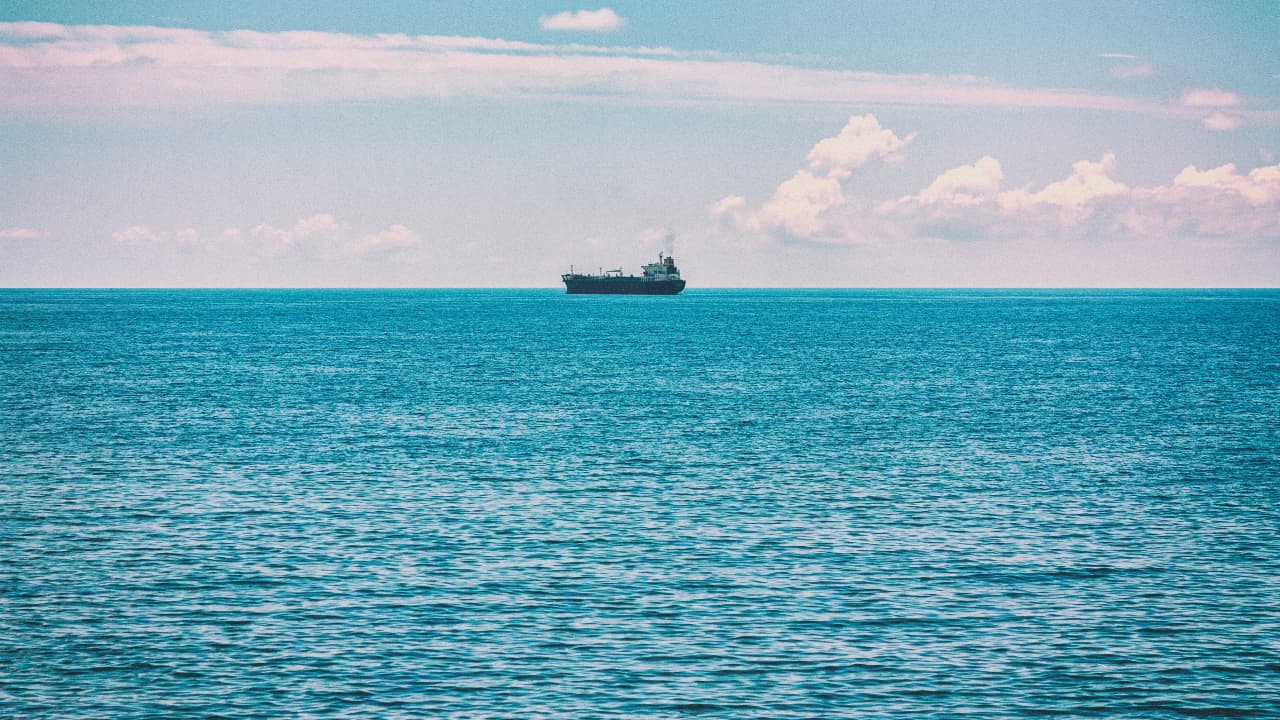
For anyone who has watched the horizon of the open sea stretch out in deceptive calm, it is easy to forget how quickly the ocean can turn into a theatre of crisis. Maritime routes are bustling arteries of global trade, but they are also environments where a single spark can transform a routine voyage into a desperate fight for survival. That terrifying reality materialized when a routine journey across the Sea of Oman was abruptly interrupted by disaster. A fire broke out aboard a cargo ship, plunging the people on board into immediate peril.
Far away from the immediate panic, the machinery of international maritime safety began to spin into action. The United Kingdom Maritime Trade Operations reported receiving an incident involving a bulk carrier and military forces east of Khor Fakkan. This reporting organization serves as a critical bridge between commercial vessels in distress and the military or civil authorities capable of rendering aid. While the bulk carrier faced its unfolding crisis, the initial warnings rippled across regional monitoring networks, setting the stage for a rapid emergency response.
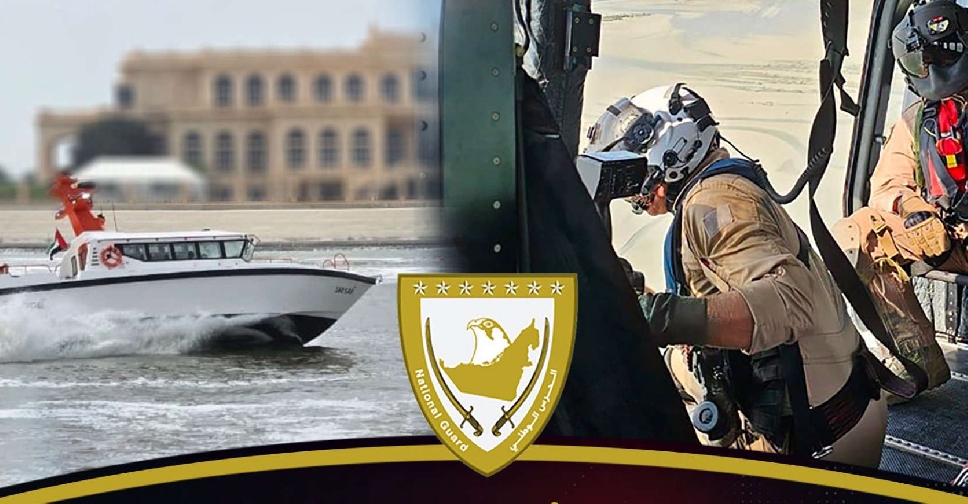
Time is the most unforgiving variable in any maritime disaster. When flames envelop a cargo ship, the crew's options narrow down to a terrifying few: fight the blaze or abandon ship into the unforgiving water. Fortunately, the response was not delayed. The United Arab Emirates National Guard's Coast Guard Division swung into action after receiving a distress report. Operating with urgency, the division's personnel successfully located the burning vessel on the water, cutting through the vast expanse of the Sea of Oman to reach the imperiled sailors before the situation deteriorated beyond hope.
The operation was swift, reflecting high levels of readiness and training within the responding forces.
Executing a rescue on a burning ship is a masterclass in calculated risk. The rescuers had to approach an unstable, smoke-filled structure where structural integrity could be compromised and explosive hazards could lurk below deck. The operation was swift, reflecting high levels of readiness and training within the responding forces. The primary objective was absolute and immediate: evacuating the 22 Arab crew members from the vessel. Every second counted as the personnel worked methodically to pull each sailor away from the danger zone and onto the safety of the rescue craft.
Rescuing individuals from a burning ship is only the first phase of an emergency operation; what follows requires immediate, compassionate care. Once the 22 crew members were safely off the vessel, the UAE National Guard provided necessary first aid to address the shock, smoke inhalation, and physical toll of the ordeal. Being plucked from a burning ship in the middle of the sea leaves deep psychological and physical markers, and the immediate medical attention administered by the coast guard division helped stabilize the frightened sailors.
With the immediate medical needs addressed and the fire behind them, the next logistical hurdle was transferring the rescued individuals to the relevant authorities. Coordinating the handoff of 22 survivors requires careful bureaucratic and operational alignment to ensure everyone is accounted for, properly documented, and placed into safe care. Through these structured protocols, the operation shifted from an emergency rescue to the orderly management of maritime safety.
In the aftermath of such a dramatic event, the measure of success is found in the condition of those who went into the fire. All 22 individuals were reported to be in a stable condition, a testament to the speed and efficacy of the rescue operation. Interestingly, this dramatic rescue occurred near a location where a similar rescue operation was conducted in the past, underscoring the Sea of Oman's history as a stretch of water where vigilance is perpetually required. As the dust settled and the survivors recovered, the incident joined a broader, ongoing narrative of regional security efforts and the constant, unseen watch kept over the world's vital sea lanes.
