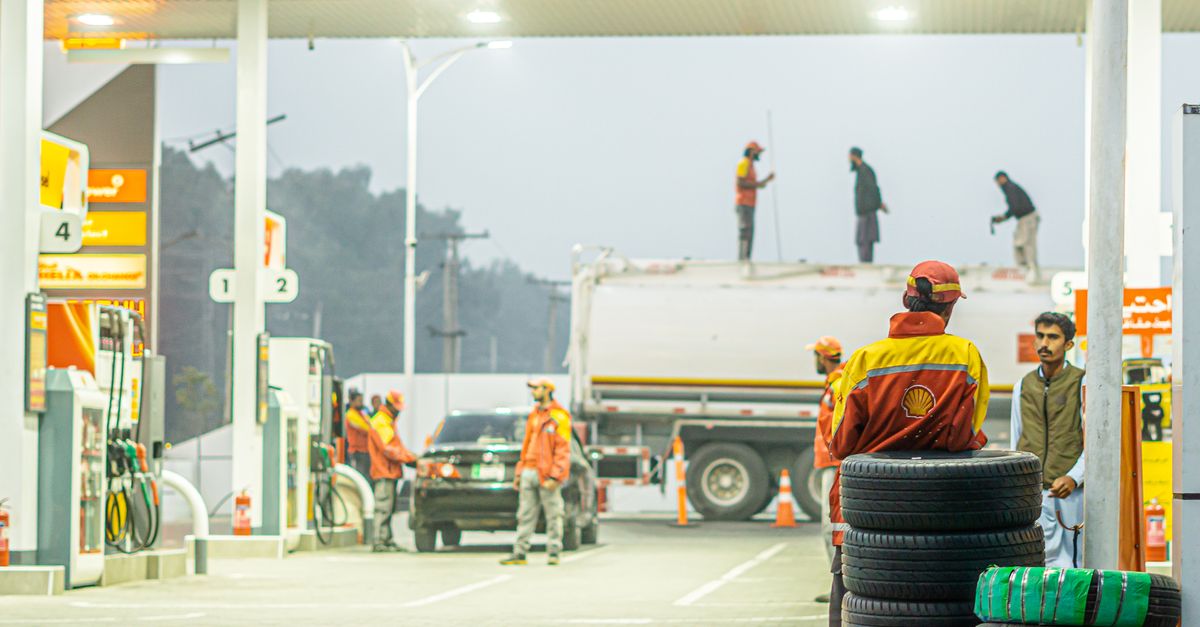
In the sweltering heat of Karachi, as in cities and towns across Pakistan, the humble petrol station has become the unlikely focal point of an escalating economic standoff. The Pakistan Petroleum Dealers Association (PPDA), representing thousands of fuel retailers, has issued a stark warning: either meet their demands within 15 days or face a nationwide strike that could bring the country's fuel supply to a standstill. This ultimatum comes amid rising tensions between the government and those who constitute the vital last link in the petroleum supply chain.

At the heart of the conflict are two fundamental issues that threaten the very viability of Pakistan's petrol stations. First, the PPDA demands that the current daily fuel price adjustment mechanism be replaced with a 30-day fixed pricing system. Second, they insist that dealer profit margins be increased from the current 2.59% to 8% of the retail price. "This time was different," declared Malik Khuda Bakhsh, capturing the hardened resolve of dealers who feel their businesses are being squeezed to breaking point. The association argues that daily price volatility depletes working capital, making it nearly impossible for station owners to maintain operations in the face of fluctuating costs.
This substantial contribution to Pakistan's treasury underscores the critical role fuel retailers play in the national economy.
This current standoff is merely the latest chapter in a year-long saga of discontent.
This current standoff is merely the latest chapter in a year-long saga of discontent. The government introduced the daily pricing mechanism in July 2024 ostensibly to manage market volatility, but dealers argue it has created more problems than it solved. Throughout the year, similar strike threats have emerged, only to be postponed following government intervention. The most recent such postponement occurred on July 22, 2024, when the All Pakistan Petroleum Pump Owners Association deferred a nationwide strike, hoping for resolution through dialogue.
Compounding the dealers' frustrations are allegations that refineries have been restricting supplies of petrol and diesel, creating artificial scarcity and further pressuring an already strained system. These supply constraints, combined with the pricing mechanism, have created a perfect storm that threatens the sustainability of thousands of family-owned fuel stations across Pakistan.
Government officials, represented by figures like Ali Pervaiz Malik, find themselves in an increasingly difficult position. While acknowledging the dealers' concerns, the government must also balance these against broader economic considerations and the need for market-responsive fuel pricing in a volatile global energy landscape. The daily pricing mechanism, introduced just months ago, represents an attempt to shield consumers from wild price swings while maintaining a semblance of market stability.
As the 15-day deadline approaches, Pakistan stands at a precipice. A nationwide strike by petroleum dealers would disrupt not just private transportation but essential services, supply chains, and industrial activity across the country. The PPDA's hardened stance suggests that previous compromises have failed to address fundamental issues, leaving both sides entrenched in their positions. The coming weeks will determine whether Pakistan's fuel supply continues to flow or grinds to a halt, with potentially profound consequences for an economy already facing significant challenges.