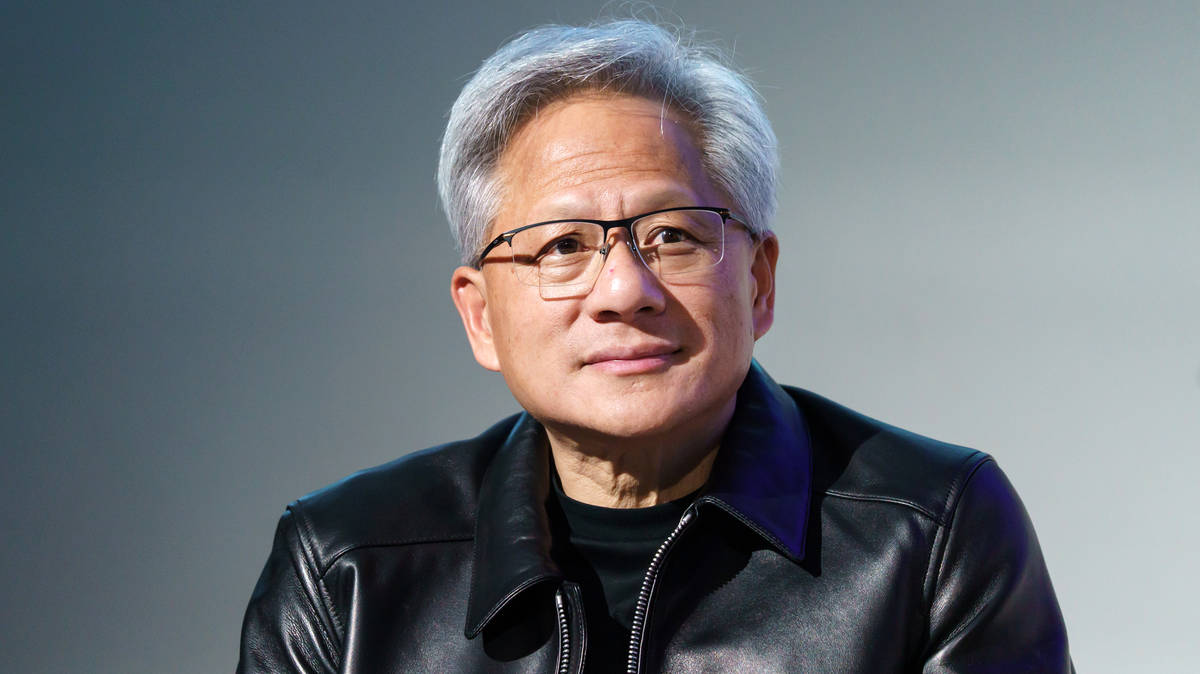
On a recent date, the day began with a message sent directly to employees at Nvidia. For the technology titan, this was not a standard corporate announcement but an admission of guilt that rippled through the organization. Jensen Huang, the chief executive, took full responsibility for his actions in a public statement. He apologized to his family for hurting them, marking a rare moment where the personal life of a corporate leader became the primary subject of public discourse.
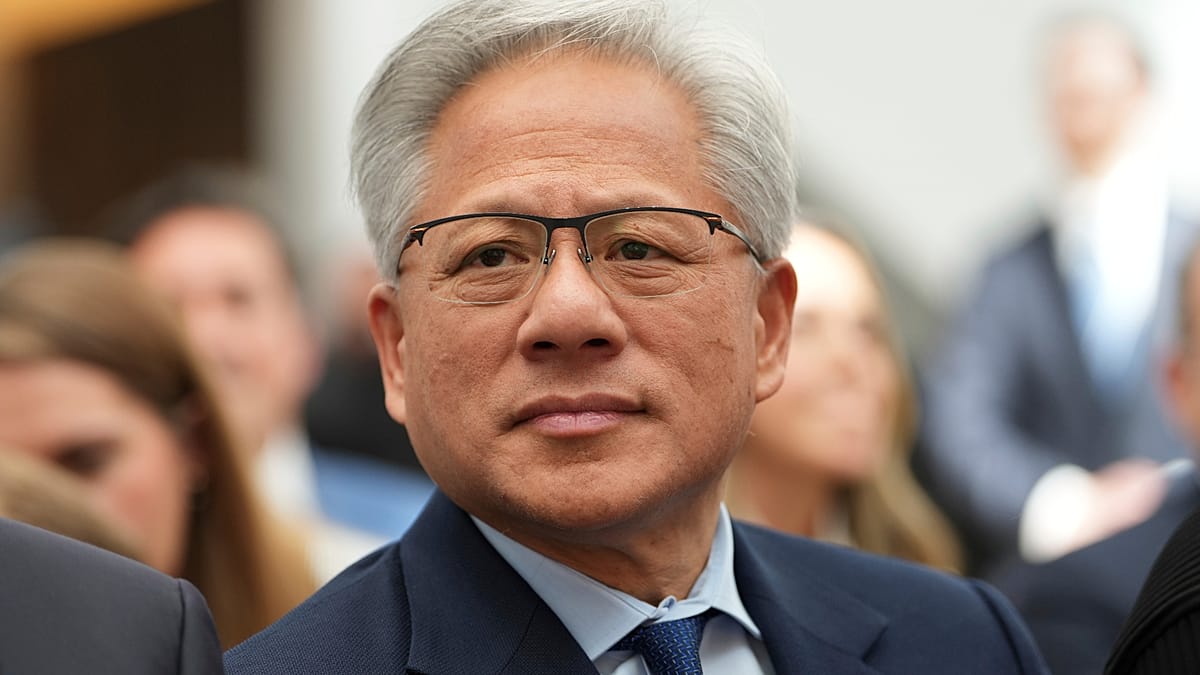
The confession arrived via email, bypassing traditional press channels. In the message, Huang wrote, "My actions hurt her and our children. There is no excuse for what I did. I am deeply sorry." This was not merely a social media post; it was a direct communication intended to address the internal fallout of his relationship with Alice Huang. Alice Huang was identified by U.S. intelligence as a former Megaspeed executive who had been scrutinized for suspected involvement in helping China obtain restricted AI chips. Her connection to the company's leadership placed her in the crosshairs of a complex geopolitical web.
As the scandal unfolded, the NVIDIA Board moved quickly to restore order. On the same day, they announced the initiation of an independent investigation. The committee, comprised of independent directors and outside counsel, was tasked with examining the claims surrounding the CEO. They stated that the probe stemmed from reporting that founder and CEO Jensen Huang has been the target of a foreign intelligence effort. This move signaled a shift from private management issues to a formal inquiry into potential national security risks.
Top US Republican lawmakers requested a briefing from Huang on the matter.
Despite the gravity of the situation, the company maintained a stance of neutrality regarding the core business operations. The board issued a statement clarifying that there was no reason to believe that either national security or Nvidia secrets were compromised. This assertion was crucial for maintaining investor confidence during a period when the firm's shares had declined significantly. The market reaction reflected a broader skepticism about the sustainability of the AI market, compounding the turmoil caused by the personal scandal.
Meanwhile, political pressure mounted from Washington. Top US Republican lawmakers requested a briefing from Huang on the matter. This request highlighted how the personal conduct of a tech leader could intersect with government oversight mechanisms. The investigation into Megaspeed, where Alice Huang worked previously, added another layer of complexity. While the company noted no breach of secrets, the scrutiny of Megaspeed remained critical to understanding the full scope of the allegations.
Jensen Huang addressed the workforce again, attempting to bridge the gap between his private failings and his professional duties. He told his team, "My responsibility is to serve you and be worthy of your trust. I have fallen short of that responsibility. I am fully committed to NVIDIA and will work to earn back your confidence." This appeal underscored the dual nature of his role: he was both a husband and a leader of a global powerhouse. Yet, the path to earning that trust remained uncertain while the inquiry continued.
Currently, the situation stands in limbo. Jensen Huang will remain as chief executive while the inquiry is conducted. The board has not yet released preliminary findings, leaving the final outcome dependent on the independent investigation. For now, the tech giant navigates a storm where personal integrity meets national security concerns. The question remains whether the market will view this as a manageable leadership issue or a fundamental threat to the company's future stability.