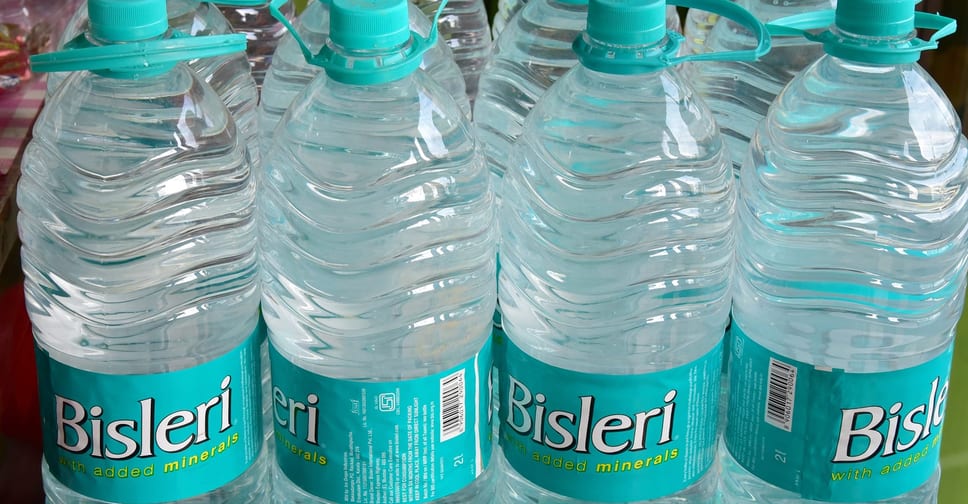
On May 18, 2025, India's food safety regulator sent shockwaves through the country's beverage industry when it declared a sample of Bisleri International's bottled water unsafe. The Food Safety and Standards Authority of India (FSSAI) announced its findings on social media, revealing the presence of harmful chemicals—specifically bromate and polynuclear aromatic hydrocarbons (PAHs)—in the widely consumed product. This discovery has not only tarnished the reputation of one of India's most recognizable water brands but has also prompted a broader regulatory crackdown that could reshape the entire packaged drinking water market.
Bromate and PAHs are not chemicals consumers typically encounter when considering water safety. Bromate is a chemical compound that can form during water disinfection processes, particularly when ozone treatment is used in water containing naturally occurring bromide. Long-term exposure to bromate has been linked to increased cancer risk and other health concerns. Similarly, polynuclear aromatic hydrocarbons are a group of chemicals formed during the incomplete burning of coal, oil, gas, or other organic substances. Their presence in drinking water suggests potential contamination from environmental sources or industrial processes. The detection of these substances in a product marketed for purity represents a significant regulatory failure.
In response to the alarming findings, the FSSAI has moved swiftly beyond targeting just Bisleri. The authority has announced plans to test samples from all bottled water companies across India, signaling a comprehensive audit of an industry valued at an estimated 3.5 billion USD. More immediately, the FSSAI has initiated legal proceedings against Bisleri International, with the explicit intention of prosecution. This marks a significant escalation in regulatory enforcement against one of India's most established beverage companies, reflecting the government's commitment to enforcing stricter safety standards in the food and beverage sector.
In response to the alarming findings, the FSSAI has moved swiftly beyond targeting just Bisleri.
Facing this unprecedented challenge, Bisleri International has responded with a measured defense of its quality control processes. The company, which operates 130 manufacturing plants across the country and distributes its products through a network of 5,980 distributors using a fleet of 8,270 trucks, emphasized its commitment to safety. "Drinking water safety is a priority for Bisleri," the company stated. "We maintain stringent quality controls." This response comes from a company that has built its brand over decades on the promise of purity and has become synonymous with packaged water in India's vast and diverse market.
The FSSAI's actions against Bisleri occur amid a wider push by Indian authorities to enforce stricter safety and labeling standards across the food and beverage industry. This incident is likely to have ripple effects throughout the sector, potentially leading to increased compliance costs for manufacturers and more rigorous testing protocols. For consumers, the case highlights the complexities of ensuring product safety in a rapidly growing market where regulatory oversight may not always keep pace with industry expansion.
As the legal proceedings against Bisleri unfold and the FSSAI conducts its nationwide testing, the incident serves as a critical moment for India's packaged water industry. The case underscores the importance of robust quality control systems and transparent manufacturing processes. For regulators, it presents an opportunity to demonstrate their commitment to public health through decisive action. For consumers, it offers a reminder that even the most trusted brands require vigilant oversight. The full impact of this regulatory intervention will become clearer in the coming months as testing results are released and legal proceedings advance, but the immediate consequences have already reshaped the landscape of India's beverage industry.