
On a Friday afternoon in November 2026, the rhythmic hum of American transit was abruptly silenced. The Federal Aviation Administration (FAA) issued a nationwide ground stop, a sweeping directive that effectively froze the nation's skies. Under this mandate, aircraft already in flight were permitted to land, but the gates remained shut for any new departures. The cause was not weather or visibility, but a breakdown in the invisible architecture of flight: air traffic control communications problems.
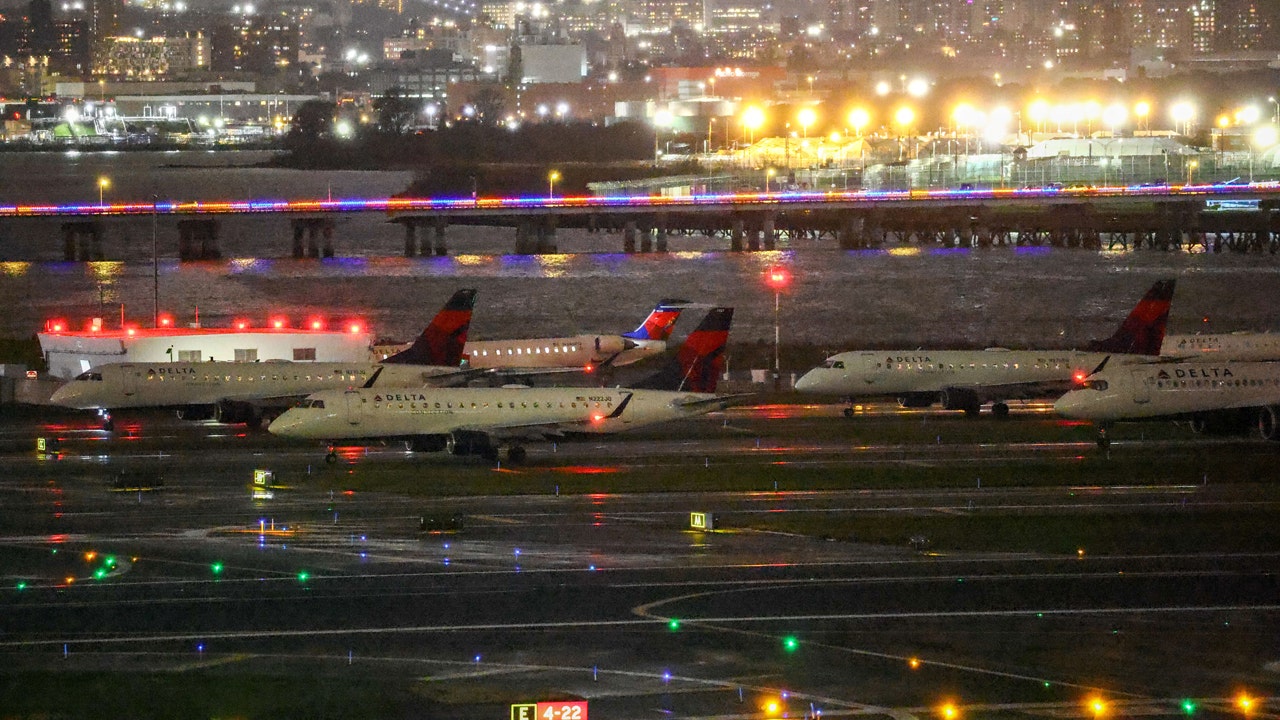
In an instant, the logistical machinery that moves people across the continent ground to a halt. While the FAA's primary mission is the safety of the national airspace, the ripple effects of this technical failure immediately cascaded into the high-stakes world of professional and collegiate athletics, where timing is everything and travel is the invisible foundation of competition.
For college football teams, the ground stop forced immediate adjustments to travel itineraries. Multiple ranked teams rewrote their plans on short notice, shifting departure times and routes to comply with the FAA directive. The uncertainty created a state of suspension for athletes and staff alike, with teams unable to depart for their weekend matchups as originally scheduled.
The NFL operates on a different logistical rhythm than many other leagues, but it is not immune to the FAA's authority.

BREAKING: The nationwide ground stop is over, the Federal Aviation Administration has announced. https://t.co/AW4951STMk https://t.co/1XrtFEVXuk
The disruption was not limited to the football field. The precision required for collegiate sports schedules means that even a few hours of delay can derail an entire weekend of programming. By Friday afternoon, the impact was already quantifiable: two college basketball games were forced into postponement.
As the ground stop rippled through the sports landscape, the professional leagues felt the tremors as well. The NBA and NHL began facing their own travel scrambling, as the movement of players, coaching staffs, and equipment relies on the same predictable flight corridors that had suddenly vanished. The interconnectedness of modern sports—where a team in one state may need to be in another within hours—makes them uniquely vulnerable to the stability of the national airspace.
While the immediate fallout hit the collegiate level, a heavy silence hung over the NFL. As of Friday, the league had not announced any changes to its Sunday schedule, but the clock was ticking against a rapidly shrinking window of opportunity. The NFL operates on a different logistical rhythm than many other leagues, but it is not immune to the FAA's authority.
Most visiting NFL teams rely on private charter flights to transport their rosters to away games. While these flights are private, they are not exempt from the rules of the sky; they are subject to the same FAA restrictions that halted commercial airlines. The reliance on charters means that the league's ability to move its players depends entirely on the restoration of air traffic control communications.


Colorado State holding walk-throughs on the tarmac at Northern Colorado Regional Airport due to the FAA nationwide ground stop. (via @PeteThamel) https://t.co/VpWUErNniQ
The critical tension lies in the timing of the NFL's travel cycle. Because most visiting teams travel on Saturday to prepare for Sunday kickoffs, the next twenty-four hours represent a period of extreme volatility. If the ground stop persists into Saturday, the league will face an unprecedented scheduling nightmare.
Without the ability to launch charter flights, the logistical chain required to get dozens of professional athletes to their respective cities could snap. The NFL finds itself in a waiting game, watching the FAA struggle to resolve the communication issues that have turned the nation's airports into waiting rooms. For now, the schedule remains intact, but the stability of Sunday's games rests on whether the skies open up before the Saturday travel window closes.