
For a new observer to this conflict, the most surprising fact is not that Ukraine is attacking infrastructure, but the sheer specificity of the goal. President Volodymyr Zelenskyy has issued a direct order to his military commanders: the Crimean Bridge is not just a target; it is a mission to be completed. According to military sources, the directive is clear—the structure must be fully destroyed. This is not a tactical pause or a symbolic strike. It is an operational imperative aimed at severing the physical connection that allows Russia to supply its forces in occupied Crimea and southern Ukraine. The bridge, a sprawling piece of modern engineering, has become the central artery of Russian logistics in the region. To keep it open is to keep the war effort supplied; to break it is to starve the frontline. The Ukrainian President’s stance is neutral regarding this strategy.
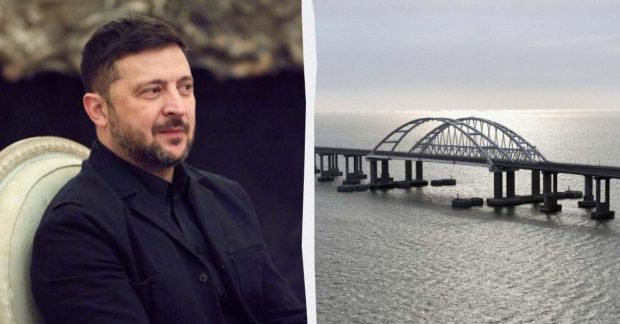
To understand the weight of this order, one must look at what Vladimir Putin himself built. Opened by Putin in 2018, the Crimean Bridge is a 19-kilometer span that connects Russia to the peninsula it annexed. It is more than a road; it is a statement of permanence. By ordering its destruction, Zelenskyy is not just damaging a bridge; he is dismantling a symbol of Putin’s geopolitical ambitions. The bridge is used by Russia to supply troops in Crimea. For Ukraine, the strategic logic is cold and simple: if you cannot hold the ground, you cannot supply it.
The path to this directive was paved with significant action. This was not a single missile fired in anger; it was a complex, seven-stage operation. The complexity is evident when you look at the toolkit employed: eleven distinct types of weapons were utilized in this single day of attack. Among the most prominent were Neptune cruise missiles, which were directed at the bridge’s vital supports.
The inclusion of these weapons in the attack highlights the Ukrainian response.
The November 18 strike was not an isolated event. Military sources indicate that the operation involved specific, high-value systems, including Neptune missiles and Palianytsia drones. The goal was structural damage to both the road and rail sections. The inclusion of these weapons in the attack highlights the Ukrainian response.
The assault did not stop after the initial barrage. The very next day, November 19, Ukrainian forces struck the railway section of the bridge. This follow-up blow was crucial. The sequence of events—from the massive November 18 operation to the focused rail strike on November 19—demonstrates a planned escalation. Each day reduced the bridge’s capacity, pushing it closer to the state of total destruction that the President ordered.
For a newcomer, the term "supply lines" is easy to say but hard to visualize. Think of the bridge as a lifeline for a hospital; if you cut the blood supply, the patient dies. Russia’s troops in Crimea are dependent on this link for supplies. Ukraine’s objective is to sever this line, forcing Russia to find alternative routes. The strategic value of the bridge cannot be overstated. It is the primary route for resupply. By destroying it, Ukraine aims to degrade the operational readiness of Russian forces.
Amidst the high-level strategy, there is a gritty, human moment captured in the words of an operation planner. When asked about the stress of such a complex, multi-stage operation involving eleven different weapon types, the planner offered a surprisingly casual response: "Of course, we had a little beer." This quote, likely reflecting the camaraderie and the sheer absurdity of the situation, offers a glimpse into the mindset of those planning these operations.
