
After more than eight hours of negotiations in Berlin, Germany's coalition committee has reached an agreement. The leaders of the CDU/CSU and SPD unions have committed to reducing the electricity tax for all consumers, a move that will bring financial relief to households and businesses. The agreement represents a pivotal moment in the coalition's efforts to address energy costs and fulfill key promises.
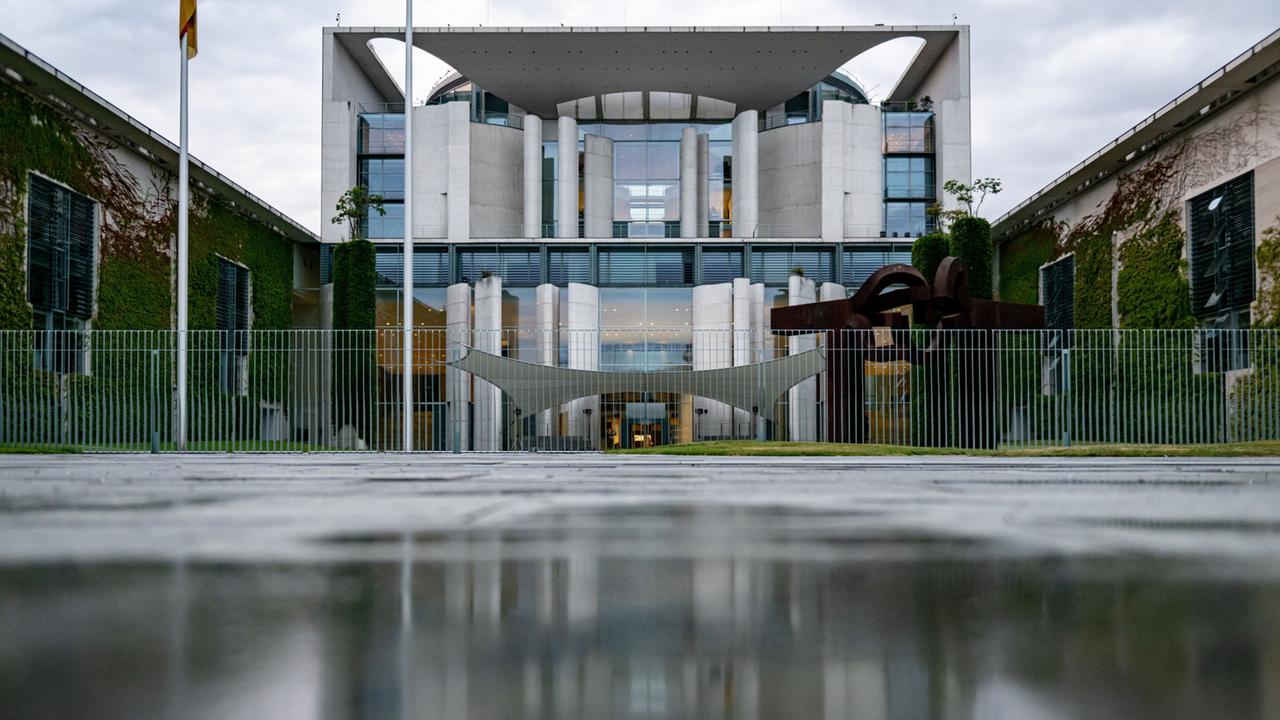
The reduction is substantial: the electricity tax will be slashed from the current rate of 2.05 cents per kilowatt-hour to 0.1 cents per kilowatt-hour, the minimum level allowed under European Union regulations. The measure is expected to cost the German government approximately 5.4 billion euros annually in lost revenue.
The impact of this tax cut will be felt by small businesses and families. According to calculations by Verivox, a three-person household with an annual consumption of 4,000 kilowatt-hours can expect to save about 93 euros per year, or roughly 7.75 euros per month. For single-person households, the savings amount to approximately 3 euros monthly.
While the agreement represents a victory for consumers, questions remain about its long-term sustainability.
Chancellor Friedrich Merz has hailed the agreement as a success and a fulfillment of the coalition's promises. "Wir haben die Senkung der Stromsteuer versprochen - und wir haben Wort gehalten," Merz stated, emphasizing that the measure would particularly benefit small businesses and families. "Besonders die kleinen Betriebe und Familien werden die Entlastung spüren: Wir geben die Einsparungen aus dem Bundeshaushalt an die Bürgerinnen und Bürger zurück," he added.
While the agreement represents a victory for consumers, questions remain about its long-term sustainability. The financing for the tax reduction is currently secured only for the year 2027. For the measure to become permanent, sustainable counter-financing must be secured in the 2028 federal budget. The government plans to offset the 5.4 billion euro annual cost through savings in the renewable energy surcharge (EEG) system.
As January 1, 2027 approaches, German households and businesses are preparing for the financial relief that will come with the reduced electricity tax. The coalition has indicated that a permanent reduction is intended, with future extensions dependent on successful budget negotiations in 2028. For now, the agreement stands as a testament to the government's commitment to addressing energy affordability.