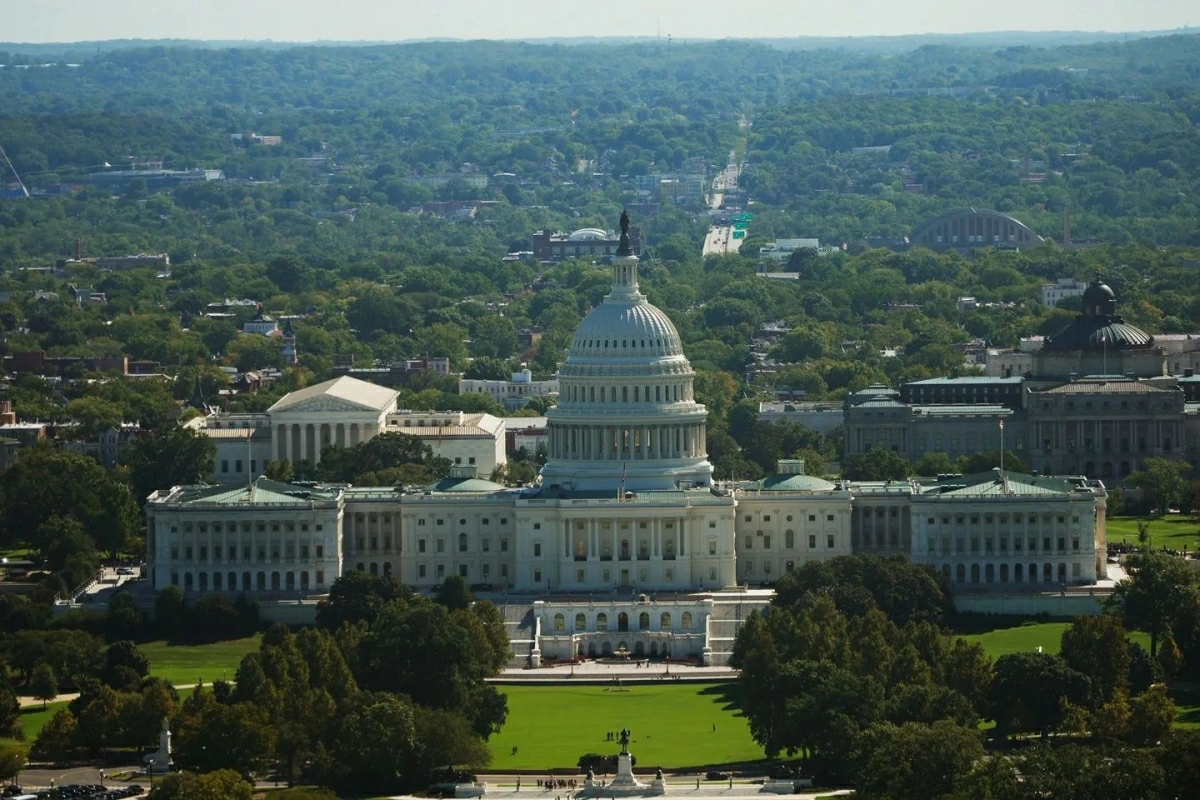
For those walking the streets of Washington, D.C., the atmosphere has grown palpably heavier. On November 17, 2026, the quiet rhythm of the capital was interrupted by a series of intelligence reports suggesting that Iran is actively exploring plans to strike the heart of the United States. The reports, which have circulated through the highest levels of the national security apparatus, allege that Tehran is considering the use of radioactive or chemical weapons to target senior officials within the Trump administration. It is a chilling prospect that has forced a recalibration of security protocols across the federal government.

At the center of this intelligence are claims that Iran is weighing the feasibility of a 'dirty bomb' attack. The term itself evokes a specific kind of terror: a device designed to scatter radioactive material over a wide area, causing not just physical harm but profound psychological and economic disruption. According to reports, these potential operations are being considered within a timeframe of several weeks. Yet, there is a significant divide within the intelligence community itself. While some analysts see these plans as a concrete escalation, others remain skeptical. As one unnamed source noted, "Whether Iran actually has the necessary forces to carry out such an operation is still a matter of debate."

Days after Israel’s Mossad director dropped in at CIA HQ to demand more war on Iran, CNN’s Jake Tapper reports that US intel has uncovered a “disturbing” Iranian plot to detonate a dirty bomb in DC Tapper is among the few who take this hoax seriously https://t.co/d8gsddT38J
The gravity with which the administration is treating these reports was made visible on November 17, when security measures were abruptly tightened. Among the most notable actions taken was the relocation of U.S. Treasury Secretary Scott Bessent to a secure military residence. This move serves as a stark reminder of the vulnerability of high-ranking officials when geopolitical friction turns into direct, personal threats. The administration’s response is not merely reactive; it is a calculated effort to insulate the government’s leadership from the reach of foreign actors who have, in recent times, issued direct threats against President Donald Trump and his inner circle.
This move serves as a stark reminder of the vulnerability of high-ranking officials when geopolitical friction turns into direct, personal threats.
Despite the alarm, the White House has been careful to balance transparency with the need to prevent panic. White House spokesperson Lorenz emphasized that the government is keeping a close watch on the situation, stating, "The US government is monitoring all potential threats." This sentiment was echoed by spokesperson Lauren Bisse, who clarified the administration's current assessment: "There is no specific or credible threat to the US at this time." The official line remains that while the intelligence is being taken seriously and monitoring is ongoing, the public should not view an attack as imminent.

'Wipe Out US Leadership!' Iran To Detonate 'Dirty Bomb' In Washington? Chilling Plot | Watch Firstpost Live with Josh Barnes https://t.co/h9EE0lT7TA
Tehran has responded to these allegations with swift and absolute rejection. Iranian officials have dismissed the reports as entirely fabricated, characterizing the claims of a planned dirty bomb attack as "false and baseless." This denial is consistent with the broader diplomatic standoff between the two nations, which has only intensified since the war began in February. The accusations and counter-accusations have become a defining feature of the current era, complicating an already fraught international landscape.
As the U.S. government continues to navigate these reports, the broader context of the ongoing conflict remains a backdrop of uncertainty. President Donald Trump has recently expressed optimism, claiming that the war will end "soon," though the path to such a resolution remains obscured by the very tensions that these intelligence reports highlight. For now, Washington remains in a state of heightened vigilance. The intelligence community continues to parse the difference between a nation exploring its options under pressure and a nation preparing to cross a threshold from which there is no return.

The most amazing part of US government/media war propaganda is that they never bother to change the script a little bit, no matter how many times it's been used over decades. They even use the same media outlets to act as helpful stenographers. https://t.co/lJLS3nlBep