
In the high-stakes chess match over Ukraine, the United States once tried a novel move: the economic checkmate. The strategy was simple, if ambitious: use the promise of American capital to coax Russia into a settlement. The plan involved courting the Kremlin with visions of American investment in Russia’s oil industry, joint ventures in titanium production, and cooperation in aviation. It was a tangible offer, a handshake across a war zone, designed to show Moscow that a post-conflict world could be profitable.
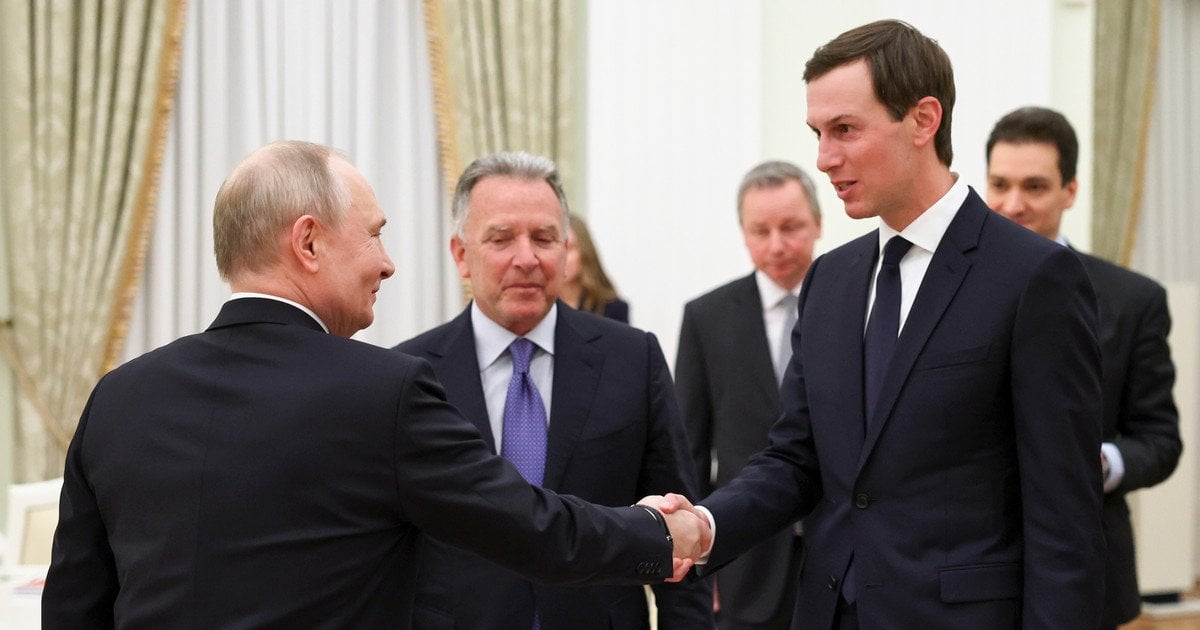
For a time, the idea gained traction. Russia, facing the weight of sanctions and the need for modernization, appeared to respond positively to these overtures. The talks were not just theoretical; they were being actively pursued by the highest levels of the American government. The hope was that these business arrangements would serve as a bridge, a way to facilitate a resolution to the crisis by making peace a financially attractive option for Moscow.
But the winds of geopolitics shifted with surprising speed. The initial optimism has cooled, and the grand vision of a Russian-American economic partnership has been quietly shelved. According to the Financial Times, the United States has indefinitely suspended its efforts to establish these business agreements. The message was delivered directly to European representatives by two of the president’s most trusted envoys, Steve Witkoff and Jared Kushner.
The message was clear: the era of using business deals as a lever for peace is over.
In a closed-door briefing, Witkoff and Kushner informed their European counterparts that commercial arrangements are no longer a central component of Washington’s strategy toward Russia in the context of the Ukrainian settlement. The message was clear: the era of using business deals as a lever for peace is over. The United States is stepping back from the table, leaving behind the potential investments in oil and the plans for titanium and aviation cooperation. The pivot was abrupt, signaling a fundamental change in how Washington views its leverage over Moscow.
The timing of this shift is critical. It comes in the wake of a significant statement from President Donald Trump in late October, where he suggested that business relations with both Russia and Ukraine could resume once the war concludes. Trump’s comments offered a glimpse into a post-conflict future, one where economic ties could be restored and nations could return to a life of commerce. "We would like to return to a life where Russia and Ukraine reach an agreement, and then we can do business with both of them," Trump said. "Of course, we will do business with both Ukraine and Russia after this war ends."
This vision of a post-war economic boom was the engine behind the original business agreements. The idea was that once the fighting stopped, the United States could help rebuild the region’s economy, with American companies playing a leading role. However, the suspension of these efforts means that this vision is now on hold. The promise of American investment in Russian oil and other sectors has been withdrawn, leaving the path to a negotiated settlement without its most tangible incentive.