
For decades, the North Sea has been a cornerstone of British energy, a churning, grey expanse of industrial might that fueled the nation's economy. But the tide is turning. EnQuest, one of Britain’s largest oil and gas producers, has announced it is walking away from the basin, agreeing to sell its UK upstream business to Neo Next+ for a sum that could reach 960 million US dollars (£729 million). It is a move that signals more than just a corporate restructuring; it marks a fundamental shift in how energy companies view the viability of the UK's waters.
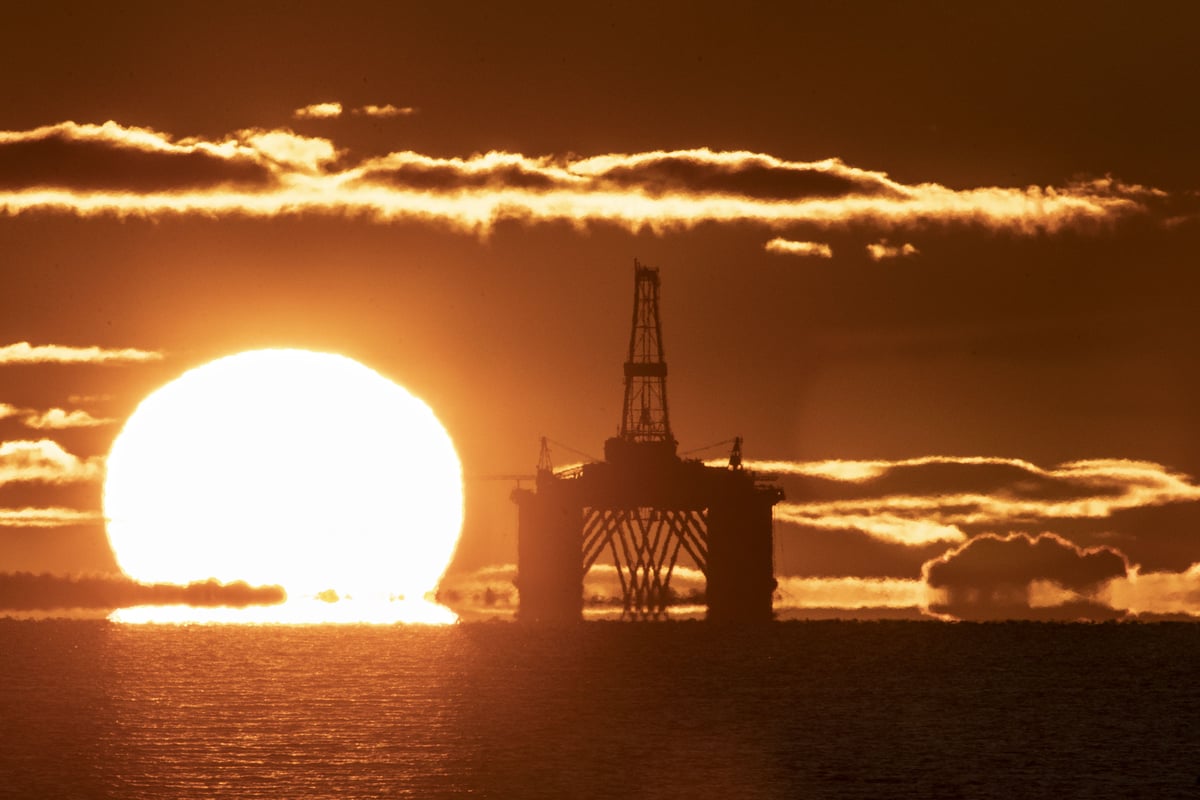
The decision to exit the North Sea is not merely a retreat, but a strategic redirection. EnQuest, which was founded in 2010 as a specialist in the UK North Sea, is now setting its sights on a different horizon. The company is focusing its resources on Southeast Asia, a region characterized by high growth but structural energy shortages. By offloading its British assets, EnQuest intends to place its high-quality Southeast Asian portfolio at the very center of its corporate identity.
Amjad Bseisu, EnQuest's CEO, framed the move as a way to capitalize on momentum elsewhere. He noted that the disposal, combined with recent transformational acquisitions in Malaysia and ongoing growth across the region, positions the company to invest, build scale, and create long-term value in markets where the opportunities appear more compelling. For EnQuest, the North Sea is no longer the primary engine of its future.
EnQuest is not the only major player to signal a waning interest in the region.
While EnQuest departs, the assets it is leaving behind will not vanish. They are being absorbed by Neo Next+, a relatively new entity in the energy landscape. Neo Next+ was formed in March through a merger of assets from three significant players: TotalEnergies, Spain’s Repsol, and HitecVision. This consolidation creates a new focal point for North Sea production, even as the broader industry faces a period of profound transition.

EnQuest pulls out of North Sea with deal to sell assets in basin to Neo Next+ https://t.co/QCbMsDom2h
EnQuest is not the only major player to signal a waning interest in the region. The company’s exit follows a similar trajectory to that of BP, which put its North Sea assets up for sale in the summer after 60 years of production. When a titan like BP decides to divest after six decades of presence, it sends a clear signal to the market about the changing economics of the basin.
This exodus is being driven by what EnQuest describes as an increasingly uncertain investment environment within the UK. The company specifically pointed to rising taxes in recent years as a factor in its decision to pivot away from Britain. In an industry where capital is highly mobile, the cost of doing business in one jurisdiction versus another can dictate where billions of dollars are deployed.
The departure of major producers has ignited a fierce political debate over the future of British energy security. Shadow energy secretary Andrew Bowie has been a vocal critic of the current administration's approach, arguing that the government's policies are actively driving investment away from the country.
Bowie characterized the news of EnQuest's withdrawal as "devastating," suggesting that the current policy landscape is effectively hanging a "closed for business" sign over the North Sea. He argued that in the midst of an energy crisis, the Labour government is choosing to maintain an extended and increased windfall tax while simultaneously implementing bans on licenses. To Bowie, the solution is clear: abolish the windfall tax, scrap the ban on licenses, and get Britain drilling again.

EnQuest pulls out of North Sea with deal to sell assets in basin to Neo Next+ https://t.co/XaRor4v2Qs
As the industry reshuffles, the status of specific projects remains in flux. The UK government is currently reviewing the development of the Roseank oil field, located 80 miles north west of Shetland, as part of its broader assessment of North Sea projects.
For now, the landscape is one of transition and tension. The North Sea, once a predictable pillar of the UK's energy strategy, is becoming a theater of economic and political contest. As companies like EnQuest look toward the growth potential of Southeast Asia, the UK is left to grapple with whether its regulatory and tax frameworks can keep the lights on and the industry afloat.