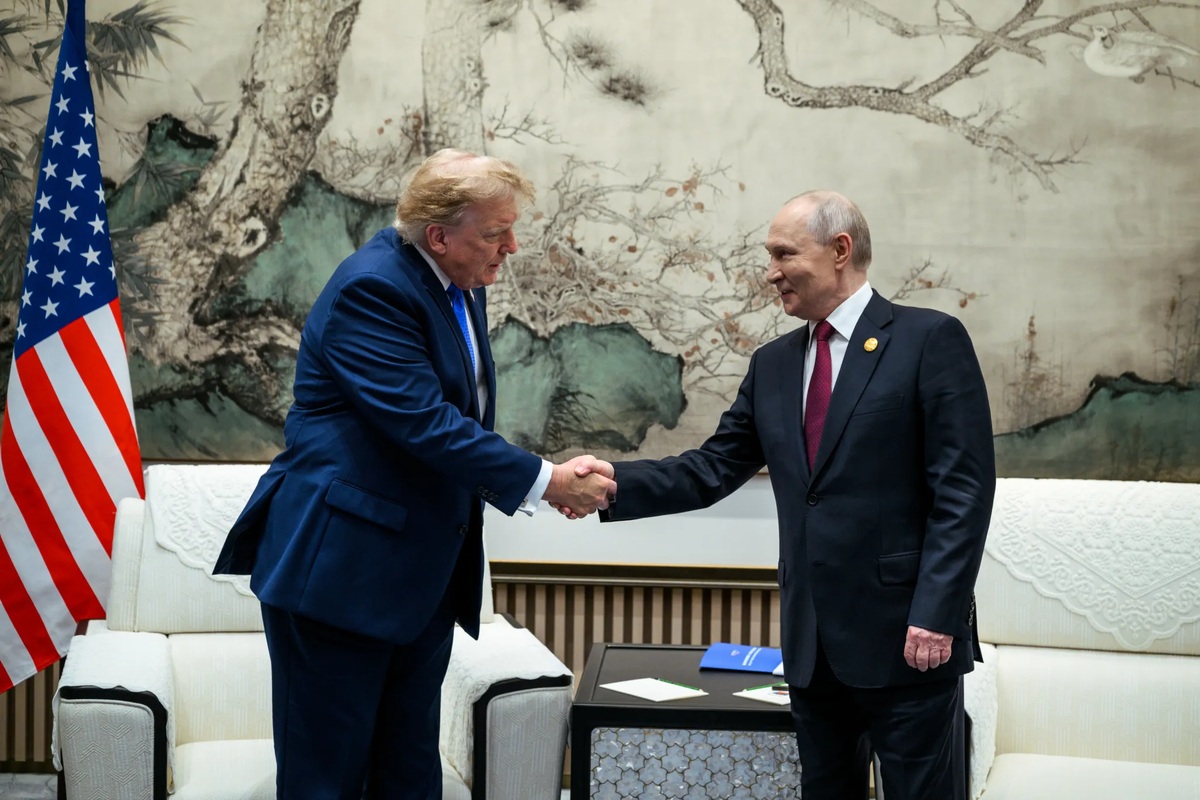
In the world of international diplomacy, the term 'friend' can be a complex and multifaceted concept. For US President Donald Trump, referring to Russian President Vladimir Putin as 'my friend' during a recent summit in Shenzhen, China, has sparked a flurry of questions about the nature of their relationship and its implications for the ongoing conflict in Ukraine. The summit, which took place on November 19, 2026, and was also attended by Chinese President Xi Jinping, focused on international security and the dangers of nuclear incidents.
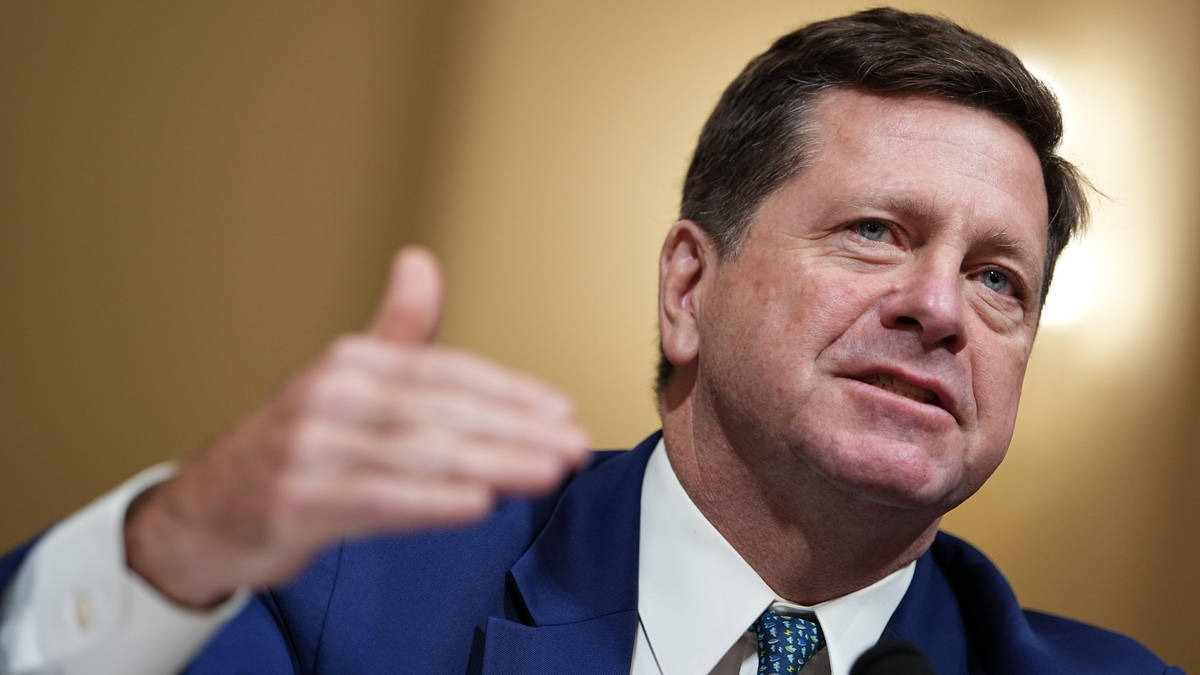
US Director of National Intelligence Jay Clayton addressed the controversy surrounding Trump's use of the term 'friend' to describe Putin, stating that while the language was appropriate in diplomatic contexts, Putin is not an ally to the United States in the ongoing conflict in Ukraine. This clarification came after Trump referred to Putin as 'my friend' during the summit, and later deflected a question about whether Putin was America's friend, stating, 'I can't speak to America.' Clayton's defense of Trump's diplomatic phrasing emphasized that it did not equate to endorsing Russia's actions in Ukraine.
The discussions between the leaders occurred amidst Russia's war in Ukraine, and no peace agreement between Moscow and Kyiv was announced. The ongoing conflict has raised concerns about the role of international leaders in resolving the crisis, and the implications of Trump's 'friendship' with Putin for US policy in the region.
Earlier, on November 20, 2026, Trump himself had addressed questions about Putin at a White House news conference.
On November 22, 2026, Clayton spoke on ABC's 'This Week', defending Trump's description of Putin as his friend. Clayton insisted that the Russian president was not America's friend in Ukraine, stating, 'He is not America's friend in Ukraine. Not at all. Not at all.' This unambiguous statement underscored the complexity of the US‑Russia relationship and the need for careful diplomacy in the region.
Jay Clayton emphasized that while the term 'friend' could be used diplomatically, Putin is not America’s friend in Ukraine. As Clayton noted, using the term 'friend' in that setting was 'entirely appropriate', emphasizing the importance of diplomatic protocol in international relations.
Earlier, on November 20, 2026, Trump himself had addressed questions about Putin at a White House news conference. When asked whether Putin was America's friend, Trump replied, 'I can't speak to America', a response that underscored the challenges of navigating complex international relationships.
The summit in Shenzhen, China, also highlighted the role of China in international diplomacy. Chinese President Xi Jinping attended the high‑level talks alongside Trump and Putin, reflecting China's position as a host for the discussions on security and nuclear non‑proliferation.

The controversy surrounding Trump's 'friendship' with Putin has raised questions about the implications for US policy in Ukraine. As the conflict continues, the US will need to navigate a delicate balance between diplomatic engagement with Russia and support for Ukraine's sovereignty.
Jay Clayton emphasized that while diplomatic language can be flexible, Putin is not America’s friend in Ukraine, reinforcing the United States’ official stance on the conflict.
Chinese President Xi Jinping attended the Shenzhen summit alongside Trump and Putin, reflecting China's role as a host for the high‑level talks.
Trump’s reference to Putin as a friend and Clayton’s clarification that Putin is not America’s friend in Ukraine illustrate the nuanced diplomatic language used during the summit.
In conclusion, the controversy surrounding Trump's 'friendship' with Putin has raised important questions about the nature of international diplomacy and the implications for US policy in Ukraine. As the conflict continues, the US will need to navigate a delicate balance between diplomatic engagement with Russia and support for Ukraine's sovereignty, underscoring the importance of nuanced and informed diplomacy in addressing the complex challenges of the 21st century.