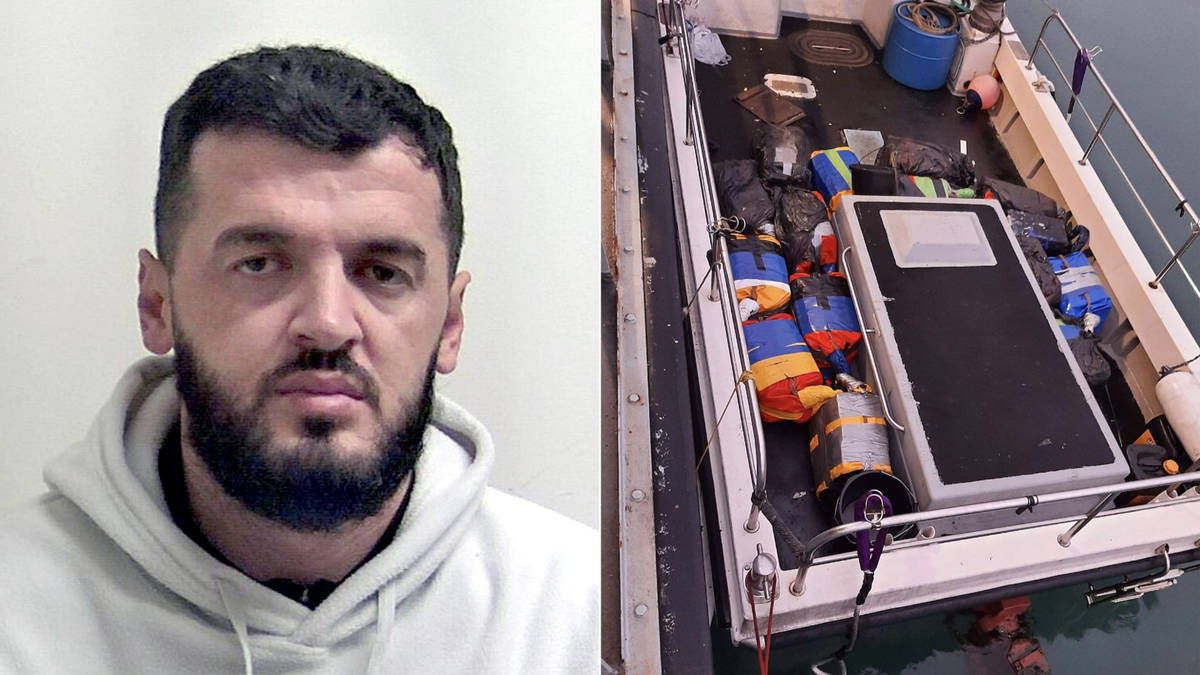
The Dover Strait is a busy corridor of water separating Britain from the continent. For the men involved in this case, it served as a dumping ground. A shipment of cocaine was jettisoned from a shipping container into the waters below, creating a high-stakes opportunity for those willing to retrieve it. The total value of that single drop was nearly £30 million, a windfall that would have funded significant criminal activity if recovered. However, the plot failed when covert investigators intervened, turning the operation into a path to prison for four individuals.

The seizure involved 374 kg of cocaine, with a street value calculated at £29.9 million. Smuggling at such a scale often relies on 'dead drop' tactics, where drugs are abandoned at sea to sever the link between cargo and vessels. If the package is not collected, it remains lost on the seabed. In this instance, a group stepped in to claim the fortune, aiming to recover the product before it became permanently inaccessible to the criminal network.
The individuals involved were Elvis Mula, Leonard Steadman, Wayne Bath, and Cameron Weedon. Mula was identified by the National Crime Agency (NCA) as the ringleader and boss of the operation. Steadman and Bath were partners in the conspiracy to import the drugs, while Weedon played a supporting role in encouraging and assisting the offences. The group did not act in complete secrecy; as they prepared for the underwater recovery, they were filmed by the NCA. The footage showed the men chatting and laughing before the operation, unaware that their demeanor was being recorded as evidence of their intent.
The investigation demonstrated that the recovery team was vulnerable to infiltration and scrutiny.
The NCA conducted a covert investigation that led to the group’s arrest. The authorities monitored the men's movements and preparations, ensuring that the cocaine could not be successfully recovered and re-entered the supply chain. The investigation demonstrated that the recovery team was vulnerable to infiltration and scrutiny. When the men were arrested, the threat of the drugs re-entering the market was neutralized. The timing of the arrest ensured that the 374 kg of cocaine remained on the seabed, inert and worthless to the network that had dropped it.
Following the investigation, the legal posture of the four men shifted to admission. Mula, Steadman, and Bath admitted to conspiring to import cocaine. Weedon admitted to encouraging or assisting offences, acknowledging his role in the support network. The sentencing took place in court, where judges weighed the scale of the offense against the role of each defendant. Elvis Mula received 14 years and three months. Leonard Steadman and Wayne Bath each received 13 years and seven months. Cameron Weedon was sentenced to four years. These sentences reflect the judicial view that the ringleader bears the heaviest burden of responsibility.
For the authorities, the victory is framed in terms of financial disruption. Jules Harriman, representing the National Crime Agency, stated that this was a large seizure of cocaine that represents a significant loss for the crime group. "Their profits can no longer be ploughed back into further offending and we've prevented these toxic drugs reaching our streets," Harriman noted. The intervention by the NCA and Border Force effectively stopped the recovery operation, ensuring that the massive street value of the cocaine would not be realized by the criminals.