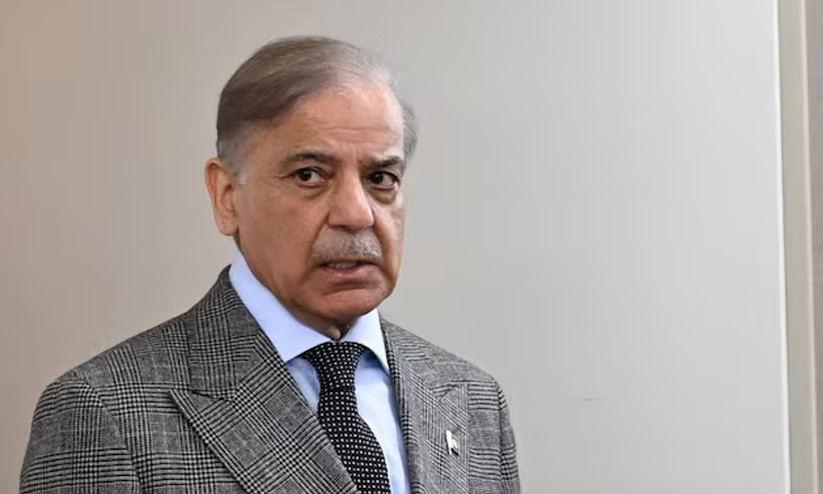
It is a difficult conversation to have when the economy is already strained by a currency crisis and a mounting pile of sovereign debt. Yet that was the backdrop against which Prime Minister Shehbaz Sharif stepped to the podium at the Pakistan Minerals Investment Forum in November 2026. He did not come to discuss managing the current downturn; he came to sell a very different future, one where the nation’s financial health is anchored not in short-term stabilization, but in the raw, untapped wealth of its own ground. The announcement was striking in its optimism. Sharif declared that Pakistan is targeting its status as the world's sixth-largest economy, but with a deadline pulled significantly forward. It was a claim that immediately caught the attention of a global audience that had long held a different calendar for Pakistan’s economic ascent.
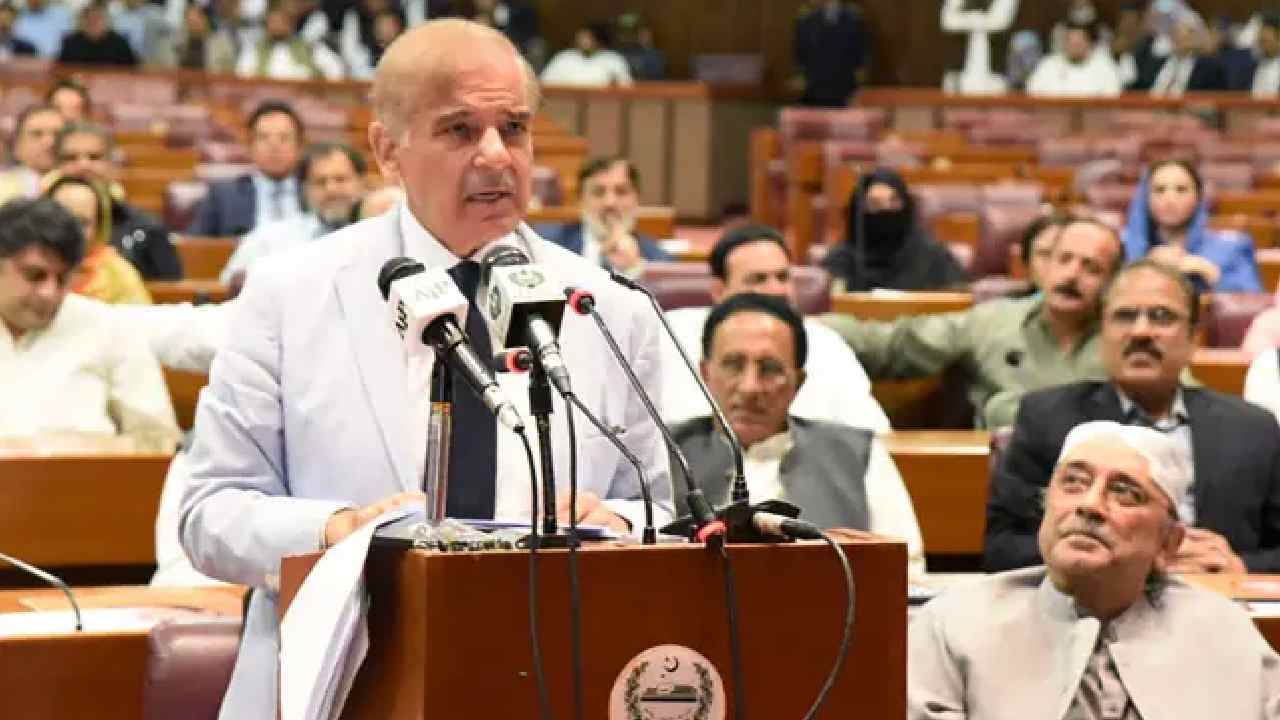
To understand why Sharif's statement resonated, one must look at where the world's forecasters had previously placed Pakistan. A major projection by Goldman Sachs, a widely referenced standard in economic forecasting, predicted that Pakistan would reach the position of the world's sixth-largest economy by 2075. It was a timeline that reflected the simple, if slow, mathematics of a large, growing population. Sharif, standing before investors in the mining sector, explicitly rejected that timeline. "We would like to make a small correction," he told the room. "Pakistan will reach that position by 2050 instead of 2075." It was a 25-year leap. In a world where economic forecasts are measured in decades, a quarter-century shift is a massive re-calibration, one that signaled the government is not relying on demographic drift alone. The strategy, as outlined by the PM, hinges on a fundamental change in how the country handles its most valuable natural resources: stop shipping out raw material and start building the factories that process it.
The engine of this new economic model is the mining sector, specifically the vast reserves of copper and gold buried in the western province of Balochistan. For years, Pakistan has been a net exporter of its mineral wealth in its most basic, unrefined form, selling off raw ore to capture a tiny fraction of the eventual market value. The plan detailed at the forum is to reverse that flow. The government is seeking to attract foreign direct investment to build a domestic industrial base of smelters, refineries, and manufacturing facilities. The goal is to process raw minerals into value-added products on Pakistani soil. This shift from raw export to domestic manufacturing is intended to capture the full economic value of the minerals, creating jobs and adding wealth to the national balance sheet that would otherwise have been lost to buyers on other continents.
It is the flagship of the new policy, the project the government expects to see begin production by 2028.

Pakistan’s PM Shehbaz Sharif: By Goldman Sachs' assessment, by 2075, Pakistan will be the sixth-largest economy in the world. Instead of 2075, it will be, Inshallah, earlier than 2050. https://t.co/jVZ2M7PWa6
At the center of this industrial ambition is a specific project that embodies both the promise and the peril of the national strategy. The Reko Diesel mining project is situated in Balochistan and is home to what is considered one of the world's largest untapped deposits of copper and gold. It is the flagship of the new policy, the project the government expects to see begin production by 2028. However, a glance at its history reveals a much more complicated reality. The project has been stalled for two decades. The Canadian company that operates it, Barrick Mining, has consistently cited security concerns in the region, warning that these issues could lead to significant delays and cost overruns. For a government that is now promising a 2028 start date and a 2050 economic summit, the 20-year history of Reko Diesel is a glaring vulnerability. The question that haunts the new strategy is whether a nation grappling with internal security challenges can reliably deliver on such a precise, long-term industrial timeline.
Critics of the plan, including a number of independent experts, point out a fundamental gap in the narrative. Becoming the world's sixth-largest economy is not a matter of simply waiting for a population to grow; it requires a sustained increase in productivity, stable currencies, and sound, predictable economic policies. For a country currently navigating a severe debt and currency crisis, the task of building out an entire new manufacturing sector is a monumental undertaking. The 25-year head start Sharif promised over Goldman's forecast is not just a matter of faster growth; it represents a belief that the country can overcome its current institutional and financial hurdles with the sheer momentum of a new mineral industry. It is a bet that the revenue from processing copper and gold will be sufficient to pull the entire economy up to that 2050 target, even while the country is still in the middle of paying down its existing financial debts.

Pakistan PM Shehbaz Sharif cites Goldman Sachs' projection that Pakistan will be the world's 6th-largest economy by 2075, but claims it can be achieved before 2050. https://t.co/L7LeDJeiN8
As of late 2026, the world is watching Pakistan as it attempts to bridge that gap. The government's strategy is clear: leverage its mineral wealth, attract foreign capital, and industrialize the country. The success of the plan now depends on the Reko Diesel project and a host of others that follow it. The question left hanging in the air after Sharif's forum is whether the country can execute the 25-year leap, or if the 20-year history of stalled projects and two decades of debt crises will ultimately keep it anchored to the original 2075 timeline.