
In the quiet tension of Christchurch during the second cricket Test between India and New Zealand, a decision made by team management would ripple through the cricketing world. Mohammed Siraj, the fiery Indian pacer, found himself unexpectedly omitted from the playing eleven. This wasn't just any substitution—it was a move that would draw attention not just for its cricketing implications, but for the emotional response it seemed to provoke.
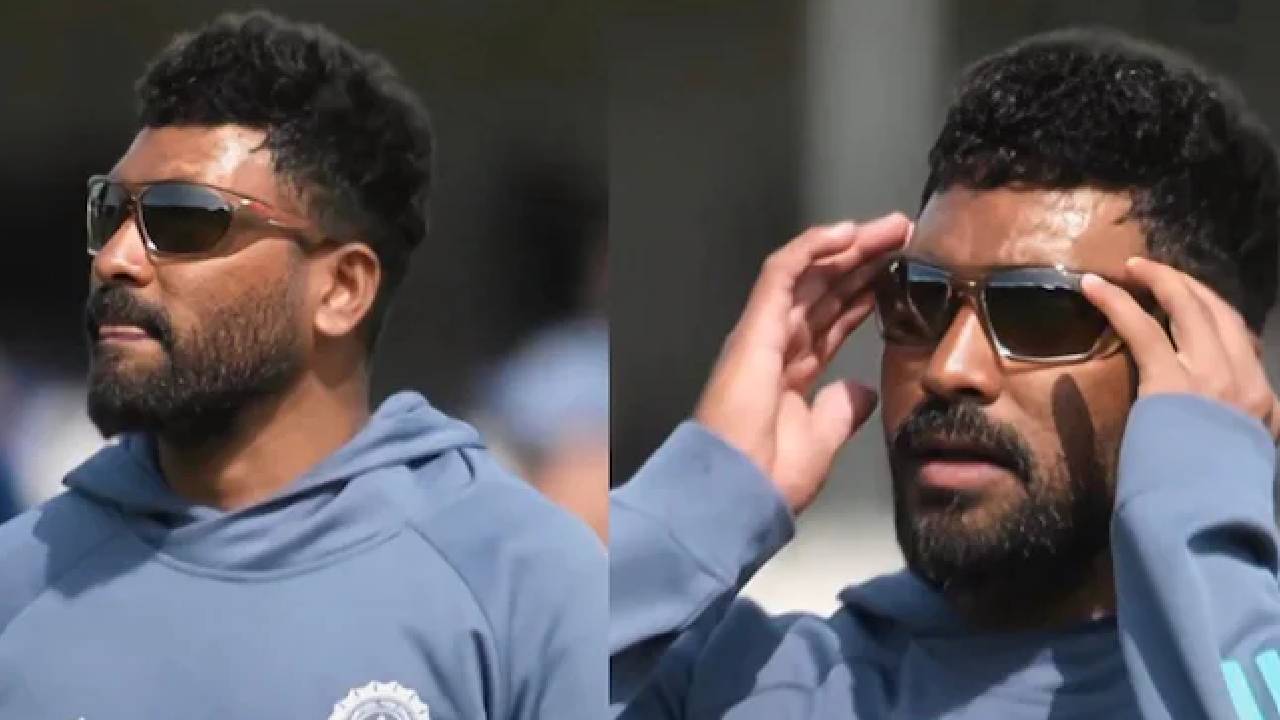
Former Indian cricketer Muralikartik didn't mince words when discussing Siraj's situation during a post-match analysis on Sony Sports Network. Sharing the stage with former batter Ajinkya Rahane, Kartik pointed to what appeared to be emotional distress from Siraj, possibly tears hidden behind his sunglasses. "If you're not going to play him, why are you taking him on the tour?" Kartik asked, cutting to the heart of what he saw as a fundamental issue with team selection policy. His words carried the weight of someone who had witnessed the emotional toll cricket can take on players who give everything to their country.
Kartik elaborated on Siraj's particular temperament, describing him as "a bowler of that sort who will stake his life." This characterization wasn't just praise—it was central to Kartik's argument about why the management's handling of Siraj was problematic. While some players might accept being left out with professional detachment, Kartik suggested that Siraj's passionate, all-in approach made him particularly vulnerable to the emotional sting of exclusion. The former cricketer emphasized that players react differently to such situations, and Siraj's apparent distress was a natural response for someone who invests so much of himself in every match.
The debate raised broader questions about team selection strategy and the psychological welfare of players.
The debate raised broader questions about team selection strategy and the psychological welfare of players. Kartik expressed strong dissatisfaction with what he perceived as inconsistent treatment of Siraj across different formats of the game. His argument was straightforward: either commit to including a player in your plans or don't subject them to the emotional turmoil of traveling with the team only to watch from the sidelines. "Either play him properly or don't travel with him at all," Kartik effectively summarized his position, suggesting that the current approach was neither fair to the player nor beneficial to team morale.
While Kartik spoke with certainty about Siraj's emotional state, Rahane offered a more measured view. "I don't know for sure [if he is crying]," the former batter acknowledged, while still recognizing Siraj's well-known emotional disposition. This nuanced response highlighted the challenge of interpreting a player's visible reactions in high-pressure situations, especially when emotions are partially obscured by sunglasses or the natural intensity of competition.
The incident in Christchurch became more than just a selection debate—it sparked conversation about how cricket teams manage their players' mental well-being in an increasingly demanding sport. As the cameras captured Siraj's apparent distress, the question remained whether team management would reconsider their approach to player selection and communication, recognizing that the human element of cricket extends far beyond statistics and match results.