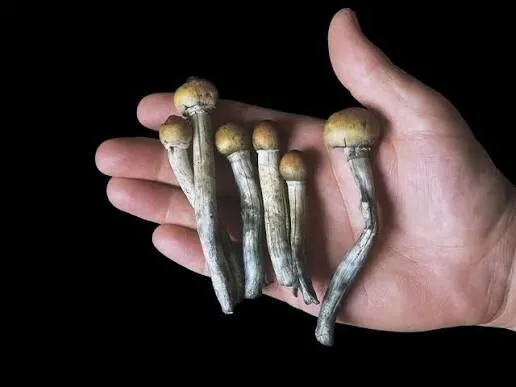
For anyone encountering the subject for the first time, the modern conversation around mind-altering substances often feels deeply contradictory. On one side, headlines frequently highlight mounting scientific research into the potential medical applications of various compounds. On the other, law enforcement agencies face the immediate, messy reality of public safety on the ground. This tension came to the forefront when a serious warning was issued regarding the dangers of consuming psychedelic mushrooms containing psilocybin.

At the heart of these warnings are organisms that carry profound biochemical power. When individuals consume psychedelic mushrooms containing psilocybin, the effects are not merely fleeting changes in mood; they alter fundamental cognitive faculties. As Colonel Ibrahim Makhtari explained, these mushrooms "can cause changes in brain function, perception, emotions, and decision-making abilities in individuals."
For a newcomer trying to understand why authorities flag these substances with such urgency, the list of psychological symptoms is telling. Beyond the initial shifts in how a person perceives their environment, users frequently encounter extreme difficulty in making decisions, alongside acute spikes in anxiety, fear, and confusion. For many, the experience brings a terrifying sense of losing control. Furthermore, health experts note that consuming these substances is particularly hazardous for individuals with pre-existing mental health issues, where the psychological toll can be magnified unpredictably.
Unknown mushrooms may contain toxic compounds that can cause severe poisoning, compounding the psychological dangers with acute physiological trauma.
There is a common cultural intuition that if something grows in the earth, it must inherently be safe. Law enforcement officials argue that this assumption is dangerously misleading when applied to wild fungi. A Sergeant Major from the 10th Police Prevention Unit addressed this exact misconception, pointing out that "the naturalness of a substance does not mean it is harmless, and unknown mushrooms may look similar to psychedelic ones but contain toxic compounds that can cause severe poisoning."
This distinction is vital for understanding the physical risks involved. While recreational users might seek out specific psychedelic properties, foraging or acquiring unknown fungi introduces a severe physical gamble. Unknown mushrooms may contain toxic compounds that can cause severe poisoning, compounding the psychological dangers with acute physiological trauma.
To fully grasp the public health landscape, it is necessary to separate the controlled environment of the laboratory from the unregulated reality of recreational self-use. While there is an increasing body of scientific research exploring potential medical applications for psilocybin, authorities emphasize that these clinical explorations bear no resemblance to casual consumption.
Clinical research involves controlled and supervised use in a clinical setting—conditions entirely absent when individuals source and consume these substances independently. It is this chasm between sterile, supervised medical settings and unregulated self-experimentation that alarms public safety officials.
Because the risks extend far beyond the individual user, authorities argue that prevention must begin at home. Addressing social harms associated with these substances requires active family involvement. Officials are encouraging parents to significantly increase their awareness about psychedelic mushrooms, maintain open and effective communication with their children, and proactively educate them about the real consequences of using these drugs. Where public safety campaigns end, everyday parental vigilance and dialogue begin, marking the front line in preventing exposure to these complex and potent hazards.