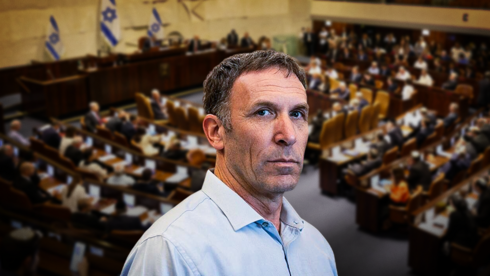
When a parliament shifts its leadership, the operational center of gravity in a country changes with it. On Tuesday evening, the Israeli parliament, the Knesset, reached just such a turning point. Matan Kahana, a member of Gadi Eisenkot's Yashar party, stepped into the role of Knesset speaker, securing 66 votes. That decisive tally allowed him to defeat Likud candidate Ofir Katz, succeeding fellow Likud member Amir Ohana in the post.

This leadership contest was far more than a routine administrative vote. By capturing the speaker's chair, the political bloc seeking to replace Prime Minister Benjamin Netanyahu effectively seized control of the legislative agenda before a new government is even formed. The victory gives this opposing alliance command over the Knesset's key leadership positions, including the chairs of the Arrangements, Finance, and Foreign Affairs committees.
The road to Tuesday's vote began months earlier, following an election held on October 27 to replace Netanyahu's administration. In the wake of that contest, political maneuvering intensified across the 120-member parliament. By November 8, President Isaac Herzog formally tasked Eisenkot with forming a government. That mandate followed Eisenkot securing recommendations from 67 of the Knesset’s 120 members, comfortably outpacing the 46 members who recommended Netanyahu.
Tuesday's successful vote did not happen by accident; it was secured through delicate legislative architecture designed to neutralize obstruction.
Under the rules governing the process, Eisenkot was granted 28 days to form a coalition, with a possible 14-day extension. Securing the speakership was a critical early proving ground for that broader effort, strengthening Eisenkot's position as he works to build a governing majority.

Matan Kahana of Gadi Eisenkot’s Yashar party has been elected speaker of Israel’s Knesset with backing from Palestinian members, boosting opposition efforts to unseat Netanyahu amid tense coalition talks. Al Jazeera’s Nour Odeh reports. https://t.co/4FRwMnE9ap
Tuesday's successful vote did not happen by accident; it was secured through delicate legislative architecture designed to neutralize obstruction. The vote itself followed an agreement that successfully prevented a filibuster by Netanyahu's coalition. In exchange for avoiding the protracted delay, Eisenkot's bloc agreed to delay legislation repealing the judicial overhaul until Monday.
Even with the procedural path cleared, the arithmetic of the victory depended on unexpected alignments. Arab lawmakers joined Eisenkot's allies in backing Kahana's appointment, providing the crucial margin that brought the final tally to 66 votes.
Stepping up to address the legislature after his victory, Kahana struck a conciliatory tone while drawing clear lines regarding institutional authority. "The Knesset is the home of all citizens of the State of Israel, and I intend to be everyone's speaker," he declared in his inaugural address.

He also addressed the contentious debate over the judiciary that has gripped the country. "I sincerely hope that the next government will undertake the necessary reforms to the system of checks and balances between the three branches of government, and that it will do so with broad consensus," Kahana said. He added a definitive pledge regarding judicial independence: "Until that happens, and for as long as I am speaker, the Knesset will comply unconditionally with court rulings."

BREAKING: Benjamin Netanyahu faces a political setback as opposition lawmakers elect Matan Kahana as Knesset speaker, giving them greater ability to challenge his government.
For the broader alliance working to unseat the incumbent administration, the speakership was viewed as a foundational first step rather than an isolated victory. Ahmad Tibi of the Arab Joint List captured the sentiment of the moment, describing the result by noting, "This is the beginning, and we will keep going."
That sentiment was echoed across the allied parties. Yair Golan of the Democrats party framed the immediate political horizon in stark, ambitious terms, stating, "We have replaced the Knesset speaker, and now we will replace the government. We have begun putting things right."
With Kahana firmly in the chair and the crucial committee leadership positions secured, the legislative branch now rests in the hands of the opposition bloc, setting the stage for the remaining days of Eisenkot's coalition-building window.