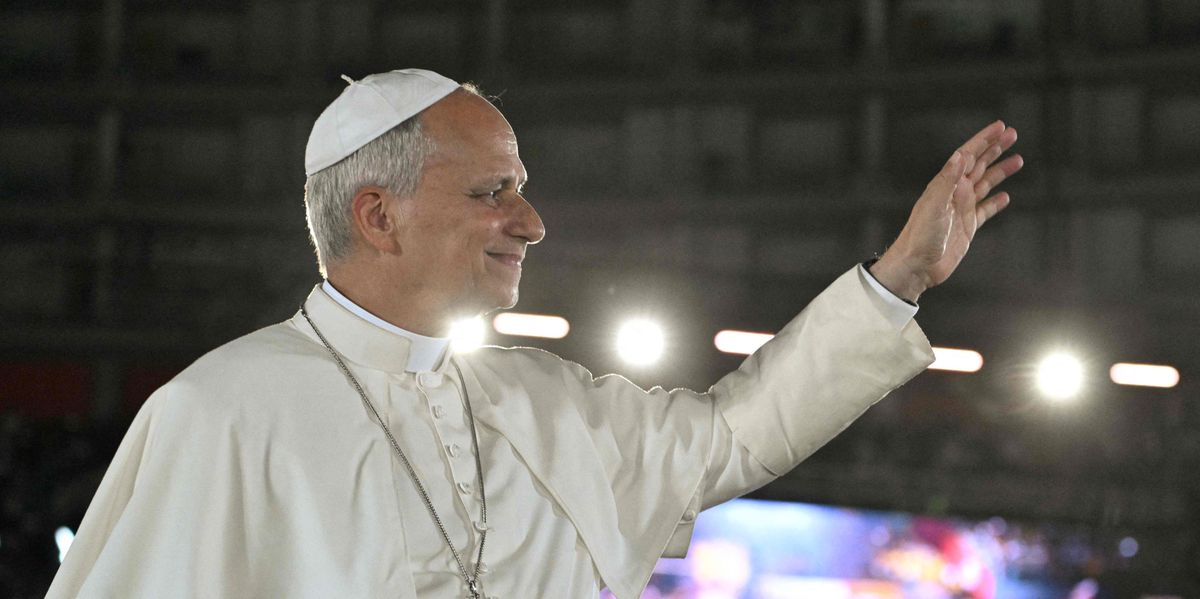
In the quiet of the Nunciature in Lima, Peru, a gathering unfolded that carried profound weight for the Catholic Church. Pope Leo XIV sat down with six individuals who had experienced sexual abuse within the Church—former members of the disbanded Sodalicio de Vida Cristiana among them. This was not merely a diplomatic courtesy but a deliberate act of listening, a moment where the highest authority in the Church opened space for voices long marginalized by institutional silence. The Pope, who has made addressing abuse a cornerstone of his papacy, heard personal accounts of suffering that few outside these circles truly comprehend. His question—"how to foster a change of mentality"—revealed both his awareness of the deep cultural rot within Church structures and his commitment to transforming them from within.
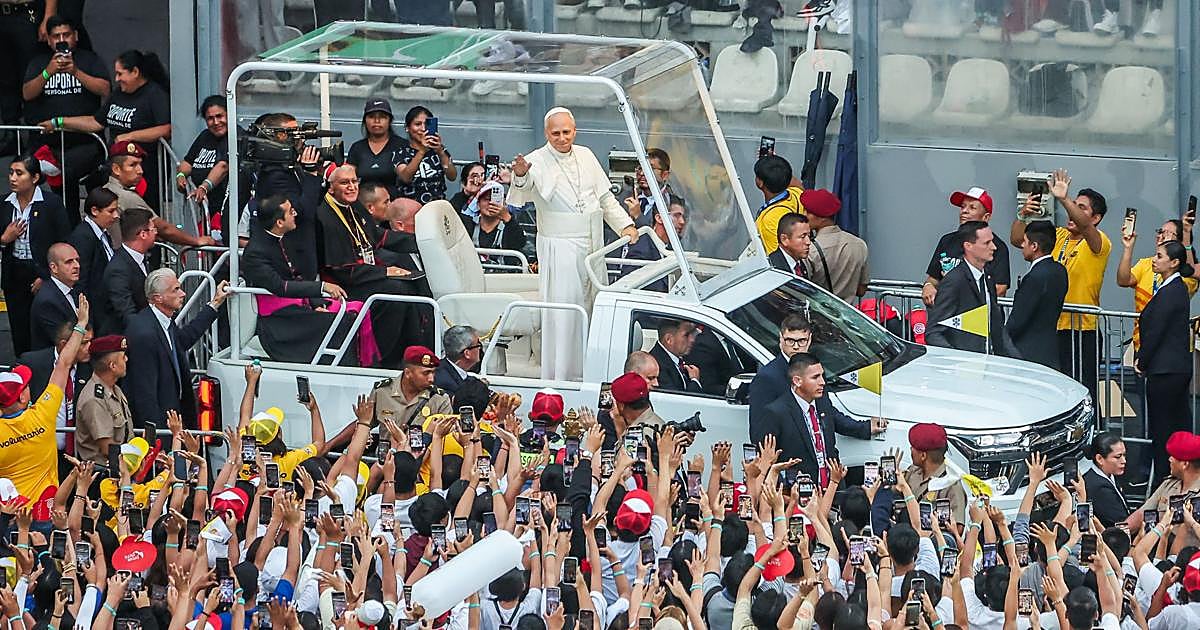
The six victims who met with Pope Leo XIV represented not just themselves but countless others whose stories remain untold. Their testimony was described by the Pope as "valuable," a recognition that truth-telling is the essential first step toward healing. In this encounter, the Church's leader demonstrated a willingness to confront uncomfortable truths, moving beyond formal apologies to genuine engagement with those harmed by its failures. The Pope expressed that "the abuses are a drama that causes me so much pain," a statement that acknowledged both the moral gravity of the crisis and the personal toll it takes on those tasked with leading the Church. This emotional honesty marked a departure from the defensive posture that has too often characterized the Church's response to abuse scandals.
The meeting in Lima was not an isolated event but part of a broader pattern of Pope Leo XIV's engagement with abuse victims across the globe. Similar encounters had already taken place in Spain, France, and Argentina, suggesting a strategic effort to address the crisis on multiple fronts. Each meeting serves dual purposes: they provide direct counsel to the Pope on how to implement meaningful change, while also signaling to the wider Church that victims' voices must be central to any reform effort. This approach reflects a growing understanding that institutional change cannot be decreed from above but must be informed by those who have experienced the system's failures most acutely.
The inclusion of these individuals highlighted the challenges posed by certain organizations within the Church structure.
Among the victims who met with the Pope were former members of Sodalicio de Vida Cristiana, a Catholic group that was disbanded following revelations of abuse. The inclusion of these individuals highlighted the challenges posed by certain organizations within the Church structure. By meeting with former Sodalicio members, Pope Leo XIV signaled a willingness to confront institutional cultures, recognizing that reform requires addressing not just individual abusers but the environments that enabled them.
On the same day he met with victims, Pope Leo XIV addressed the plenary of bishops in Peru, emphasizing the need for a "culture of prevention and protection." This dual focus—on healing past harms while preventing future ones—reflects a comprehensive approach to the abuse crisis. The Pope's words to the bishops underscored that addressing abuse is not merely about responding to allegations but about fundamentally reimagining how the Church operates. This includes creating safe environments where victims feel empowered to come forward and where safeguards are built into every level of Church governance. The meeting with victims and the address to bishops together formed a cohesive message: the Church must become an institution where protection is not an afterthought but a core value.
As Pope Leo XIV continues his papal voyage, his meetings with victims stand as powerful symbols of a Church in transition. While the road to full accountability and reform remains long, these encounters represent meaningful steps toward rebuilding trust. The Pope's willingness to listen, to express pain, and to seek guidance suggests a recognition that the Church cannot heal in isolation. True reform, it appears, will require the Church to embrace uncomfortable truths, confront its most problematic institutions, and center the voices of those it has failed. In Lima, as in other cities, the Pope demonstrated that this journey must begin with listening—a simple yet radical act in an institution unaccustomed to such humility.