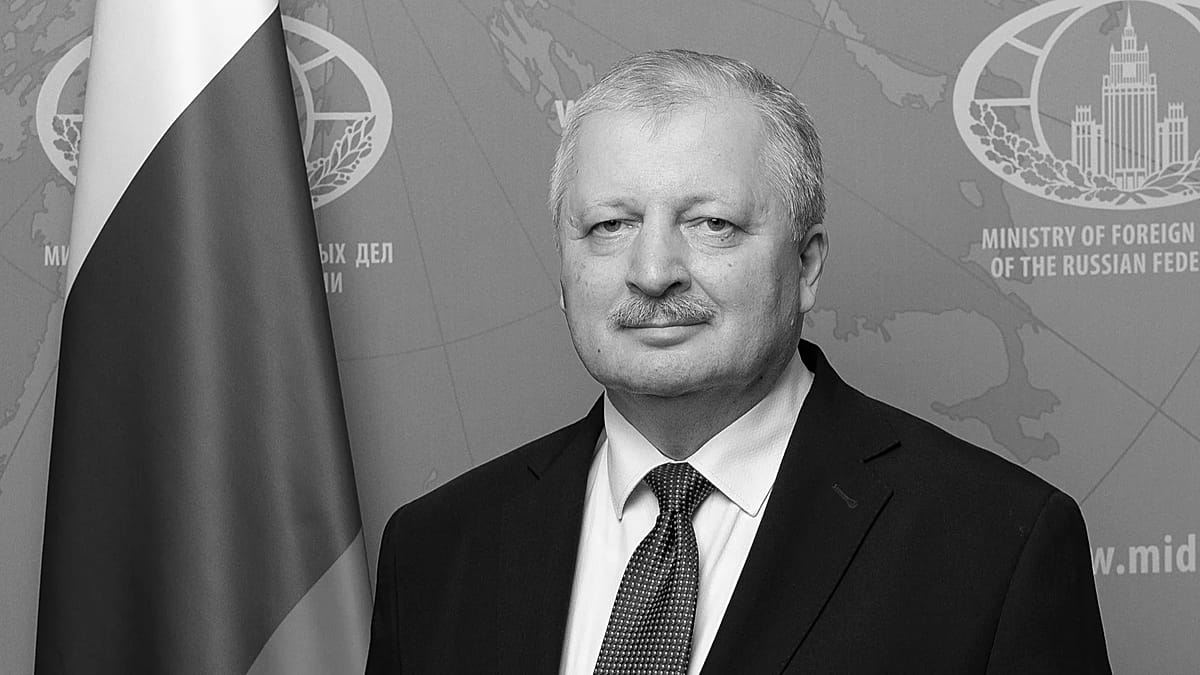
In the high-stakes, often deafening world of international diplomacy, silence can be as heavy as a formal declaration. That silence arrived from the Russian Ministry of Foreign Affairs with the news that Alexander Darchiev, the Russian ambassador to the United States, has died. He was 66 years old. According to Maria Zakharova, the news was confirmed by the fact that Darchiev passed away in Moscow, the victim of an unspecified chronic illness.

For those who follow the intricate, often tense dance between Moscow and Washington, Darchiev was more than just a political appointee; he was a figure of significant intellectual weight. The Ministry of Foreign Affairs characterized his passing with a blend of professional respect and personal mourning, describing him as an "outstanding diplomat, experienced leader, good comrade and mentor." His death leaves a void in a diplomatic corps that has faced unprecedented scrutiny and pressure over the last several years.
Darchiev’s approach to diplomacy was rooted in something deeper than mere political maneuvering. He was widely regarded as a scholar of United States affairs, a man who sought to understand the internal mechanics and cultural nuances of the country he represented. This academic rigor often distinguished him from the more purely political actors in the Russian foreign service.
In February 2017, the diplomatic community was shaken by the sudden death of Vitaly Churkin in New York.
His expertise was not built overnight. Before arriving in Washington, Darchiev had already established himself as a veteran of the North American theater. He previously served as Russia's ambassador to Canada and had held the influential position of heading Russia's North America department. This background meant that when he stepped into his role as ambassador to the United States in early 2025, he did so with a profound understanding of the geopolitical architecture of the Western Hemisphere.

Russia's ambassador to the United States, Alexander Darchiev, has died at 66, the Russian Foreign Ministry says. https://t.co/AMP1BqUb44 https://t.co/14Yfw9IDsg
Even as he prepared for his tenure in the United States, Darchiev was actively engaged in the difficult work of high-level communication. In early February 2025, he was seen heading Russia's delegation in Istanbul for a series of talks with the United States. These meetings, held in the neutral ground of Turkey, were part of the ongoing, complex efforts to maintain lines of communication between two superpowers whose relationship has been defined by profound friction.
Darchiev’s presence in Istanbul underscored his role as a bridge-builder—or at least a bridge-maintainer—during a period when the channels of dialogue between the Kremlin and the White House were often narrow and fraught with tension. His ability to lead these delegations was a testament to the experience that had defined his long career.
In the corridors of the United Nations and the diplomatic circles of New York, the news of Darchiev's death inevitably brings to mind the sudden departure of other high-ranking figures. The history of Russian diplomacy in the West is marked by such moments of abrupt transition.
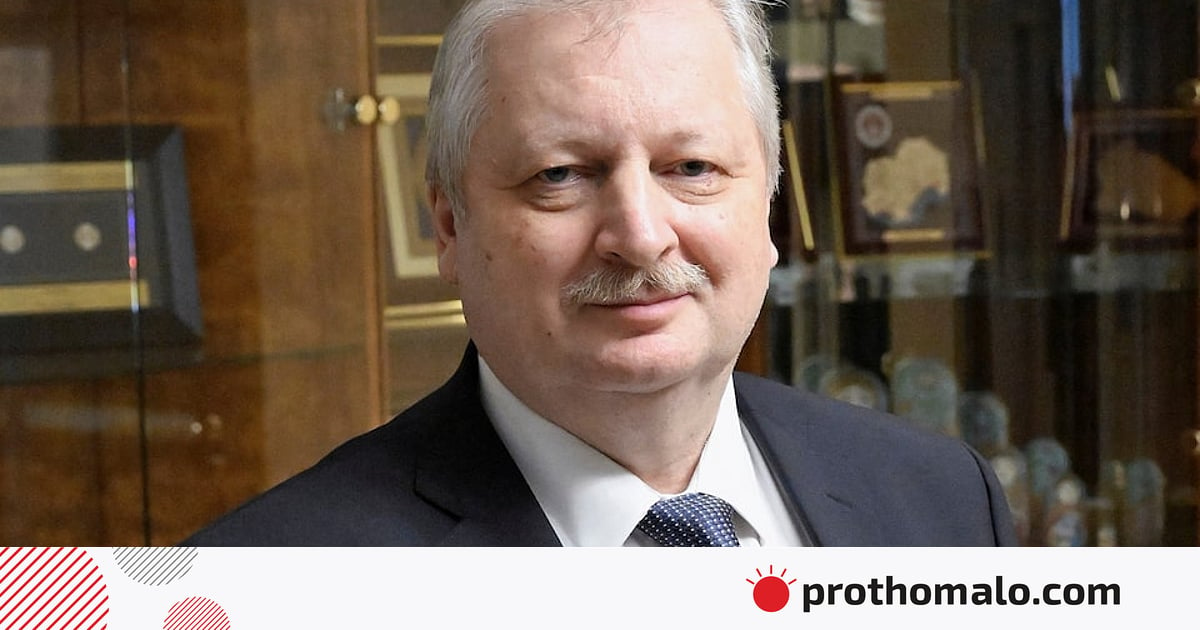
In February 2017, the diplomatic community was shaken by the sudden death of Vitaly Churkin in New York. Churkin, who died at the age of 64, was a towering figure in Russian foreign policy. Sergey Lavrov, Russia's Foreign Minister, had once described Churkin as an "exceptional professional and people's diplomat." The loss of such figures creates a recurring pattern of instability, where the sudden absence of seasoned veterans forces a rapid recalibration of how a nation projects its interests abroad.

Russian ambassador to US, Alexander Darchiev, dies at 66 https://t.co/RD9hlsgFSW
Darchiev’s arrival in Washington in early 2025 came during a period of significant turnover within the Russian diplomatic mission. His predecessor, Antonov, had been relieved of his duties in 2024, marking a transition in how Russia sought to manage its most critical relationship.
Darchiev was tasked with stepping into this vacuum, bringing his scholarly perspective to a mission that required both tactical precision and a deep understanding of American political volatility. He was not merely a messenger, but a specialist tasked with interpreting one of the most complex political environments in the world.
As the Russian foreign ministry processes the loss of a man they viewed as both a leader and a mentor, the practicalities of his departure remain unclear. The ministry has not yet provided details regarding funeral arrangements, leaving the immediate logistics of his passing in a state of quietude.
For the United States and the international community, the death of an ambassador is more than a personal tragedy; it is a disruption of the formal machinery of statecraft. Darchiev leaves behind a legacy of scholarship and service at a time when the world is watching the interactions between Moscow and Washington with increasing intensity. The chair he occupied in the diplomatic landscape now sits empty, waiting for a successor to navigate the complexities he spent his life studying.

Russian ambassador to the US, Alexander Darchiev, dies suddenly at 66, Moscow's foreign ministry announces. Details on his death remain undisclosed. https://t.co/HhgYqczdlx https://t.co/ut0iZqeG5a