
For anyone new to the complex geopolitical landscape of the Russia-Ukraine conflict, the news arriving from Abu Dhabi on November 11 offers a stark contrast to the usual grim headlines of front-line combat. Vladimir Medinsky, the head of the Russian negotiating delegation, emerged from the talks to address journalists with a message that cut through the fog of war: Russia and Ukraine have fundamentally agreed to a new large-scale prisoner exchange. In the context of a conflict that has persisted for years, the ability to negotiate the release of detainees is often the clearest indicator that diplomatic channels are open, even when other aspects of the war remain deeply contested. Medinsky’s announcement marks a significant moment, not just for the thousands of families waiting for news of their loved ones, but for the structure of the peace process itself.
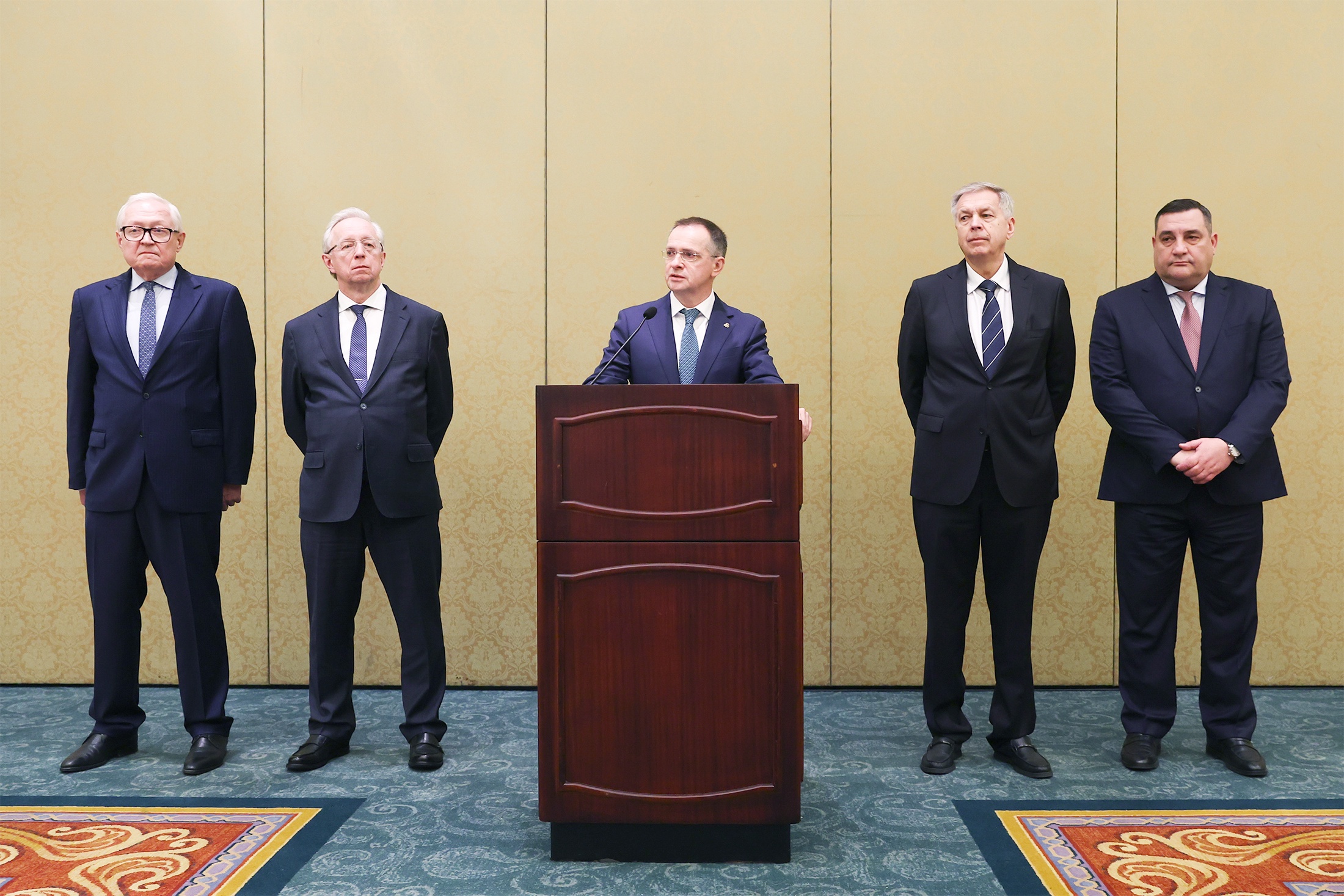
It is crucial to understand that this prisoner exchange did not occur in a vacuum. The agreement was reached during three-way talks in Abu Dhabi that included delegations from Russia, the United States, and Ukraine. This tripartite setup is significant because it positions the humanitarian issue within a larger framework of continental security. According to sources within the negotiation group, the talks aimed to discuss key aspects of forming a new security system for the continent. In this broader conversation, the Ukrainian settlement was just one point, but the humanitarian agenda—including the prisoner swap—was treated as a priority. The involvement of the United States suggests that these negotiations are not merely bilateral back-channel communications but part of a structured, internationally monitored diplomatic effort. Medinsky noted that the three parties exchanged positions regarding conflict resolution and the future of European security, finding common ground on some aspects, even if total consensus remains elusive.

Latest on Russia-U.S.-Ukraine talks in Abu Dhabi: - #Russia, #Ukraine agree on large-scale prisoner swap - The delegations discuss humanitarian issues, with European security a key focus - Russia's chief negotiator Vladimir Medinsky says some understanding reached, without providing further details - U.S. envoys Jared Kushner and Steve Witkoff plan to meet #Putin in Moscow on Thursday, then #Zelensky in Dublin to discuss possible next steps
When addressing the press on Wednesday, Medinsky was candid about the limits of public information. He stated that the specific parameters of the swap would be disclosed in the near future, reiterating that details of the negotiation process are kept confidential until a final agreement is reached. This emphasis on confidentiality is deliberate. Medinsky emphasized that in such negotiations, concrete details are never discussed until a final agreement is reached. By refusing to disclose the mechanics of the exchange at that moment, the delegations maintained the integrity of the negotiation process. For a newcomer, it may seem unusual that the terms are hidden, but in high-stakes diplomacy, premature disclosure of conditions can jeopardize the deal if later discussions alter the scope. The refusal to share details until the agreement is final is a standard procedural safeguard, ensuring that the humanitarian outcome is not undermined by political maneuvering during the final stages of talks.
By refusing to disclose the mechanics of the exchange at that moment, the delegations maintained the integrity of the negotiation process.
The prisoner exchange stands out because it is one of the few areas where Russia and Ukraine have demonstrated the capacity to find "common ground," as Medinsky put it. While military positions and territorial disputes remain rigid, the release of prisoners is often framed as a humanitarian imperative—a baseline of decency that even adversaries can agree upon. For the Russian delegation, this agenda was a clear priority. By focusing on humanitarian issues alongside the broader security architecture, the negotiators in Abu Dhabi are attempting to build a ladder of trust. Each successful exchange of prisoners reinforces the possibility that other, more difficult topics, such as the end of active hostilities, can eventually be addressed. The agreement on this new, large-scale swap suggests that the volume of prisoners held by both sides is significant enough to warrant a "large-scale" designation, implying a substantial impact on the population affected by the war.

Russia and Ukraine agree to a large exchange of prisoners of war: https://t.co/9Bu2FOBz1Y
The date of November 11 anchors this development in the broader chronology of the conflict. The conclusion of the three-way talks and the subsequent press conference happened in quick succession, indicating that the humanitarian breakthrough was a key outcome of the sessions. Medinsky’s role as the head of the Russian delegation gives weight to his statements; he is not a junior official, but the primary voice for his country’s position on the negotiating table. His neutral stance on the immediate details, while firm on the existence of the agreement, reflects the cautious optimism that characterizes this phase of the conflict. The fact that the United States is part of the three-way dynamic adds a layer of international legitimacy to the prisoner exchange. If the swap proceeds as agreed, it will be a tangible result of the Abu Dhabi talks, moving the conflict away from pure military stalemate and toward a structured diplomatic resolution. The specific parameters, when announced in the coming days, will reveal the scale of this humanitarian gesture, but the fundamental agreement itself is the news. It signals that even in the midst of a major continental security crisis, the possibility of human connection and negotiated peace remains alive.
As the dust settles on the Abu Dhabi talks, attention will shift to the logistics of the prisoner exchange. The promise of a large-scale swap means that thousands of individuals will soon be freed, a development that will be closely watched by families and international observers.

Russia And Ukraine Agree To Large Prisoner Of War Exchange At Abu Dhabi Talks - AP