In the ancient city of Madurai, where the skyline is defined by the silhouette of the Meenakshi Sundareswarar Temple, a dispute over a single flame has spiraled into a legal standoff that pits religious tradition against administrative authority. The controversy centers on the Thirupparankundram hills, a site of immense spiritual significance, and a specific stone post known as the 'Deepam' stone. The issue is not just about a lamp, but about who has the right to light it and where.
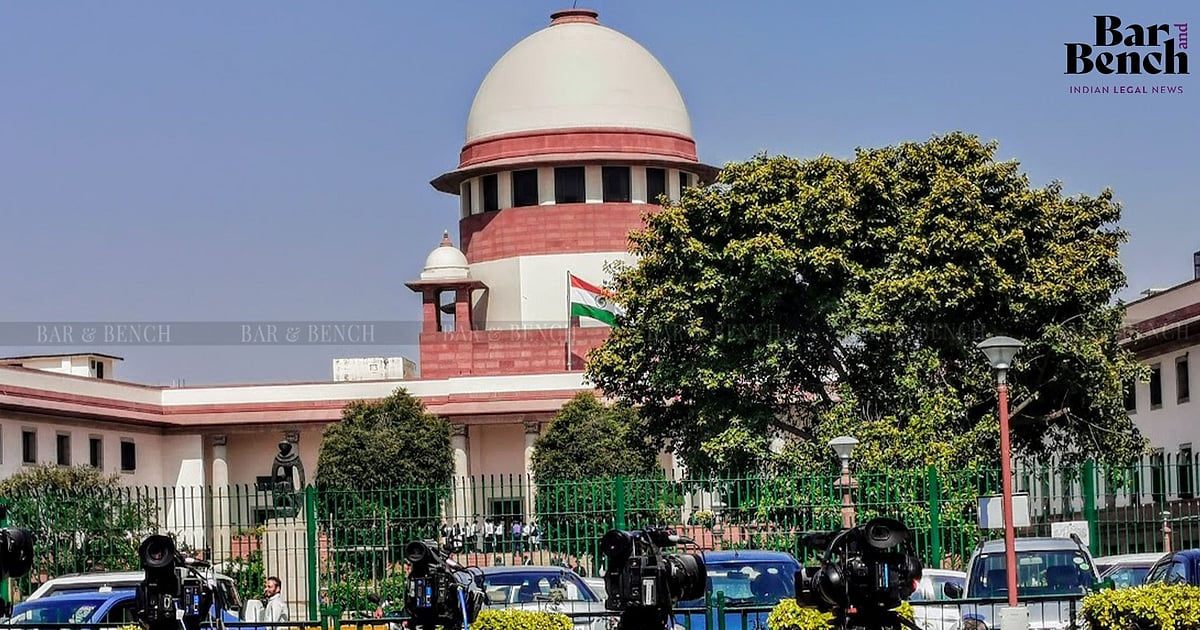
The conflict began when the Hindu Dharm Parishad, a prominent religious organization, decided to challenge the Tamil Nadu district administration over the observance of the Karthigai festival. They argued that the state officials had blatantly disregarded a directive from the Supreme Court of India. The organization, represented by K.K. Ramesh, filed a contempt petition, alleging that the officials had failed to implement a court order issued on November 20, 2026.
On November 20, 2026, the Supreme Court of India granted a one-time permission to light the lamp on the Deepam post at Tirupparankundram hills. This was not a vague suggestion but a specific directive. The Court assigned the responsibility of lighting the lamp to the temple authorities and designated the District Collector as the monitoring officer. The order was clear: the deepam was to be lit at the Deepam post.
The sheer number of officers suggested a level of security that was disproportionate to a routine religious festival.
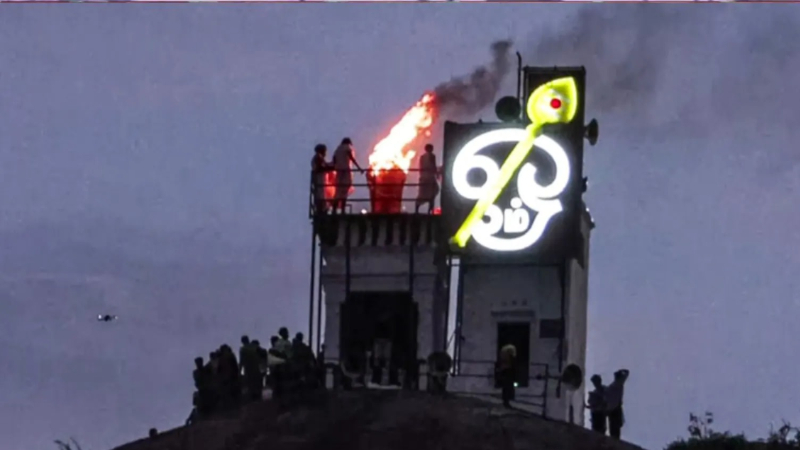
Instead of adhering to the Supreme Court's specific instruction, the district administration opted for a different location. On November 24, 2026, the deepam was reportedly lit at the Deepam Mandapam of the Ucchi Pillaiyar temple. This deviation from the court's order was not a minor administrative oversight; it was a direct violation of the directive. The Hindu Dharm Parishad claimed that pilgrims were also barred from the Deepam post, effectively preventing them from witnessing the ritual at the location specified by the highest court in the land.
To manage the situation, the district administration invoked Section 163 of the Tamil Nadu Police Act. This legal provision allowed them to deploy a significant number of police personnel to the area. Around 6,000 police personnel were deployed around the Tirupparankundram hills. This massive presence was intended to maintain order, but it also underscored the tension and the high stakes of the situation. The sheer number of officers suggested a level of security that was disproportionate to a routine religious festival.
The situation escalated rapidly. On November 25, 2026, just one day after the festival, the Hindu Dharm Parishad filed a contempt petition in the Supreme Court. The petition named Dr. T.G. Vinay, Nishant Krishna, and S. Rajendran as respondents. The organization sought action against these officials for their failure to comply with the court's order. The core of the petition was a simple accusation: the state officials had not followed the Supreme Court's order given on November 20, 2026.
The case raises important questions about the relationship between religious practices and the rule of law. When a court issues a specific order, what happens when that order is not followed? The Hindu Dharm Parishad's action demonstrates that they were willing to take the matter to the highest court to ensure compliance. The case also highlights the role of the District Collector as a monitoring officer, a position that carries significant responsibility in such matters.
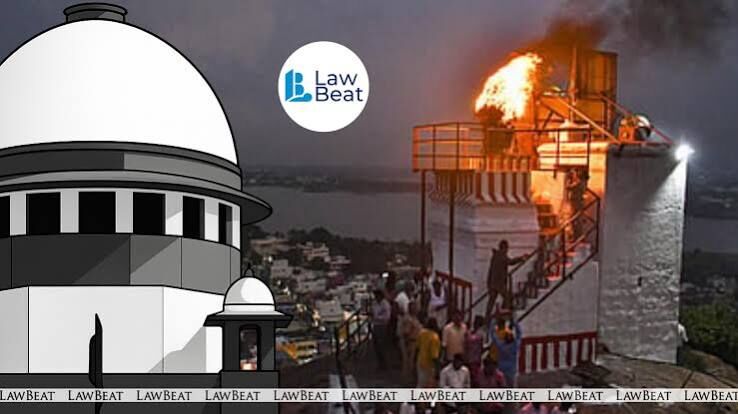
As the legal battle unfolds, the Deepam post at Tirupparankundram remains a symbol of the ongoing conflict. The Supreme Court will now have to decide whether to hold the Tamil Nadu officials in contempt for their actions. The decision will have implications not only for this specific case but also for how future court orders are implemented in matters of religious observance. The flame that was lit at the Ucchi Pillaiyar temple instead of the Deepam post has now become a symbol of a larger struggle for authority and compliance.