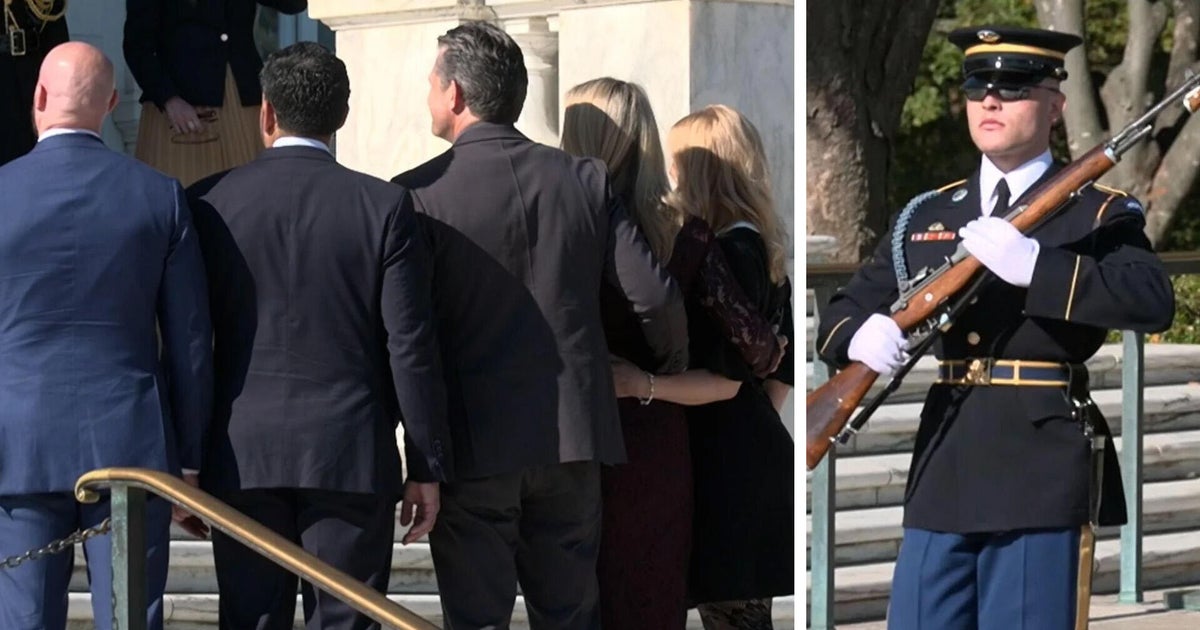
On November 11, 2026, the air at Arlington National Cemetery was meant to be heavy with solemnity. Instead, Secretary of Defense Pete Hegseth found himself the center of attention for a different kind of disruption. It began with a simple request for quiet, escalating into a broader political storm involving impeachment proceedings just hours later.
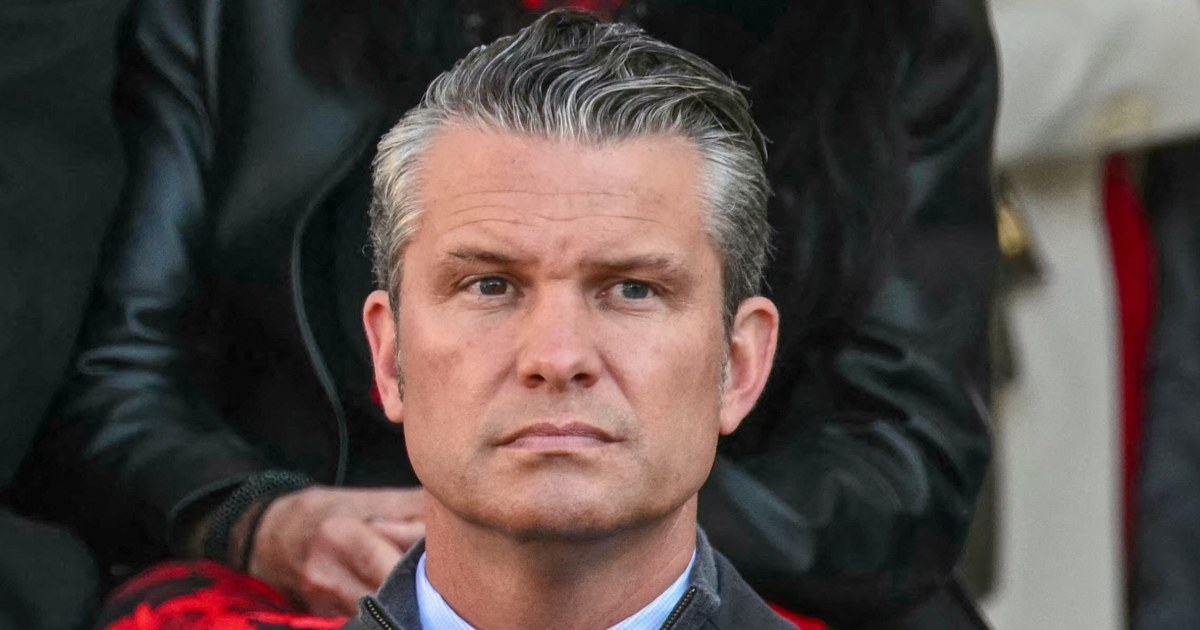
The ceremony took place on Veterans Day, a day dedicated to honoring those who served. Hegseth had been photographed at the event with his wife as he attended the wreath-laying ceremony. However, the atmosphere shifted once he and his aides departed the plaza. A U.S. Army guard stepped forward, loudly reminding visitors that the site demands silence and respect at all times. The guard’s intervention was direct; he admonished Hegseth for speaking too loudly. This incident underscored the sensitivity of the memorial and the ongoing scrutiny of Hegseth amid calls for his resignation.
The tension in the plaza was palpable. When the guard addressed the group, he issued a clear directive: "All visitors will maintain an atmosphere of silence and respect at all times." This rule is not merely ceremonial; it reflects the gravity of the location. The guard’s schedule operates 24 hours a day, ensuring that this standard of conduct is enforced regardless of the time or the person visiting.
This vote highlighted the difficulty of passing such measures in a divided environment.
While the guard maintained order outside, a different battle raged inside Congress. Rep. Thomas Massie led an impeachment effort against Hegseth. The allegation was serious: that Hegseth waged war against Iran without congressional approval. Such claims touch upon the core constitutional powers of the legislature versus the executive branch. The defense of the President or Secretary of Defense often hinges on whether actions are viewed as policy disagreements or criminal offenses.
The House voted on Tuesday regarding the motion to impeach. The result was close but decisive in its outcome: 211 to 204. The impeachment effort failed. Despite the gravity of the allegations, the chamber did not proceed with removing the official from office. This vote highlighted the difficulty of passing such measures in a divided environment.
In response to the pressure, Hegseth defended himself this week. He argued that the situation involved policy disagreements, not misdemeanors, not treason, not bribery, not the kinds of offenses the founders intended when they wrote the impeachment clause. He emphasized that the military operations in question were lawful. By framing the conflict as a disagreement over strategy rather than a violation of law, Hegseth sought to distance himself from the severe consequences of impeachment.
As the dust settled on the voting results, the focus returned to the physical location of the ceremony. The guard remained vigilant, ensuring the silence continued where Hegseth had spoken too loudly. The failure of the impeachment vote did not end the scrutiny, however. Calls for his resignation persisted, suggesting that the public and legislative bodies remain sensitive to his conduct both in the Capitol and in the field. For now, the Secretary remains in office, having navigated a difficult day defined by conflicting demands for silence and accountability.

This sequence of events illustrates the intersection of military protocol and political ambition. On one hand, the Tomb of the Unknown Soldier represents a final resting place requiring absolute reverence. On the other, the White House staff operates under the constant threat of legal challenges. The guard’s reprimand was a minor administrative correction, yet it occurred in the same hour as a major constitutional challenge. It suggests that the lines between private conduct and public duty are increasingly blurred in modern Washington.
By late afternoon, the ceremony concluded, but the implications lingered. The vote count of 211 to 204 signaled a narrow margin, leaving room for future debate. Hegseth stood firm on his position that the actions were lawful. The guard ensured the silence returned to the cemetery. In the end, the day served as a reminder that while political battles rage in halls of power, the memory of service remains protected by specific rules and strict expectations of behavior.