
In May 2024, Jensen Huang, the architect of Nvidia’s dominance in the artificial intelligence era, traveled to Beijing as part of a United States delegation. At the time, the visit appeared to be a standard, if high-stakes, diplomatic and corporate maneuver within the complex theater of global technology. For a company like Nvidia, which sits at the very center of the global AI arms race, navigating the relationship between American innovation and Chinese markets is a constant, high-wire act. But what began as a diplomatic mission has, in the eyes of investigators, transformed into a narrative of potential vulnerability.
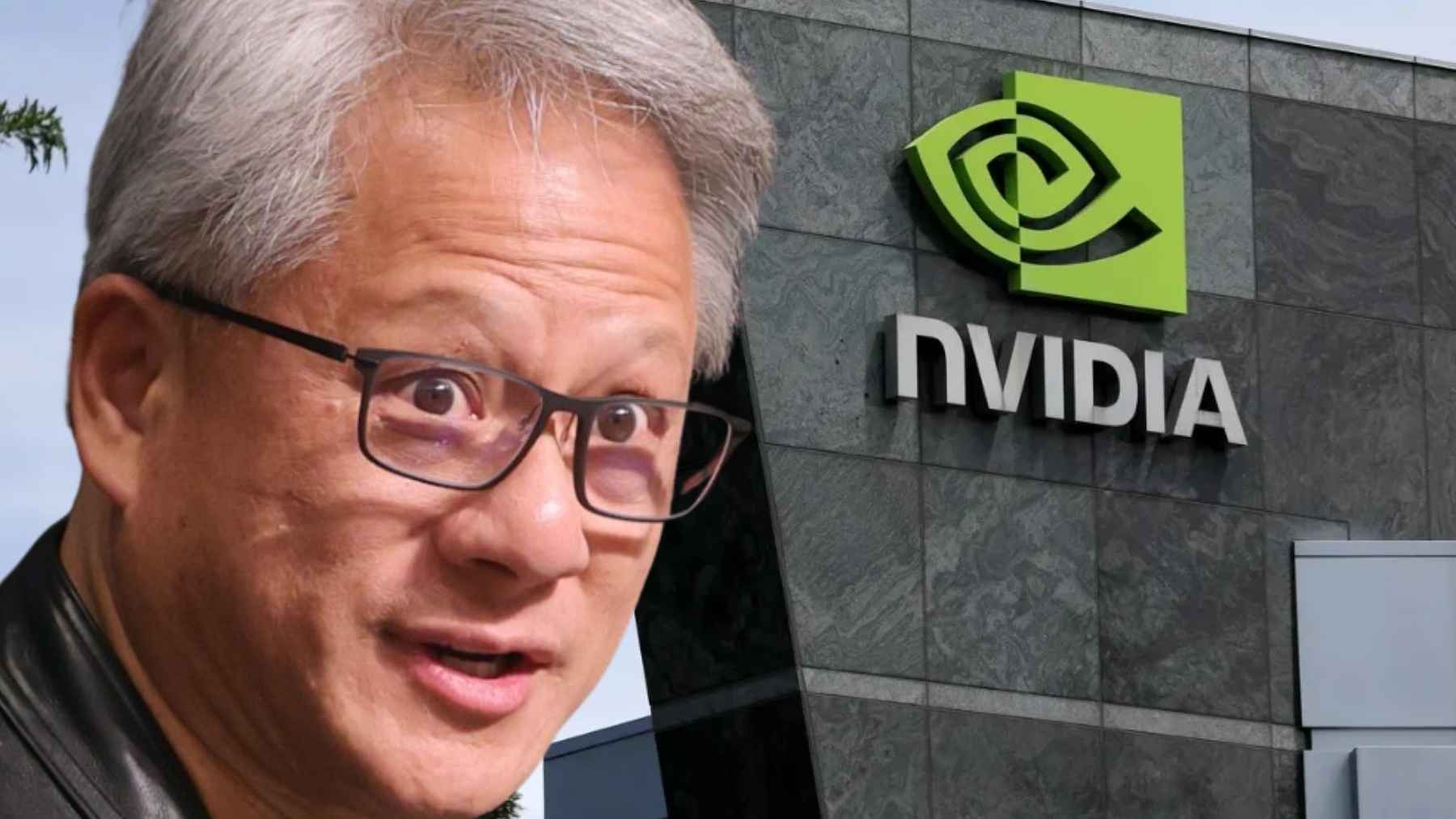
On October 31, 2026, the landscape of the semiconductor industry shifted when reports from The New York Times surfaced, alleging that Huang had been targeted by Chinese intelligence services. The reports did not merely suggest general corporate espionage; they specifically linked Huang to Alice Huang, an individual suspected by United States intelligence of operating as a Chinese intelligence agent. The revelation sent shockwaves through Silicon Valley, casting a shadow over the leadership of the world’s most critical AI chipmaker and raising questions about the personal and professional security of the men and women steering the future of computing.
Beyond the personal connections, the allegations touched upon the physical movement of the hardware that powers the modern world. Intelligence concerns have centered on Megaspeed, an entity suspected of diverting advanced Nvidia AI chips to China. These chips are more than just components; they are the foundational infrastructure for artificial intelligence, and their movement into restricted territories represents a significant breach of the technological containment efforts sought by U.S. authorities. The suspicion that these high-end processors were being funneled toward Beijing added a layer of industrial urgency to the personal allegations surrounding Huang.
The probe is not necessarily an indictment of Huang’s actions, but rather a rigorous audit of the environment in which he operates.
Faced with these mounting allegations, Nvidia’s board of directors moved with decisive speed. On November 8, 2026, the board announced it had initiated an independent internal investigation into its CEO. The move was a calculated attempt to balance corporate stability with the gravity of the claims. While the board maintained its stance of institutional stability, stating that the board has confidence in Jensen and his leadership team, the decision to launch a formal probe signaled that the allegations were too significant to ignore. The investigation is tasked with reviewing all available information to determine if any corporate secrets or national security interests were compromised.

‘He’s a fine person’: Trump on Nvidia CEO amid probe into chinese spy allegations https://t.co/nHBbX0Tpd6
As the internal investigation unfolds, the board has noted that it currently sees no evidence that any company secrets have been compromised. This distinction is vital. The probe is not necessarily an indictment of Huang’s actions, but rather a rigorous audit of the environment in which he operates. In the world of high-level tech, the line between a business contact and an intelligence target can be dangerously thin. The board’s priority is to ensure that the company’s intellectual property remains secure, even as it navigates the geopolitical friction between Washington and Beijing.
The situation has not remained confined to the boardroom; it has spilled into the highest corridors of American political power. Jensen Huang is not merely a CEO; he is a figure of immense strategic importance who also advises on AI policy. Because of this role, the scrutiny surrounding him carries profound political weight. The intersection of private industry and national policy means that any perceived weakness in Nvidia’s security is viewed as a potential weakness in the United States' technological edge.
Despite the intensity of the investigation, Huang has found an unexpected ally in the political sphere. President Donald Trump has publicly offered his support to the Nvidia leader. Trump’s stance highlights the complexity of the situation, where the interests of a massive American corporation and the strategic goals of the presidency are deeply intertwined. Regarding the unfolding reports, Trump remarked, "On va examiner ça de très près," signaling that the administration is watching the developments with intense scrutiny.
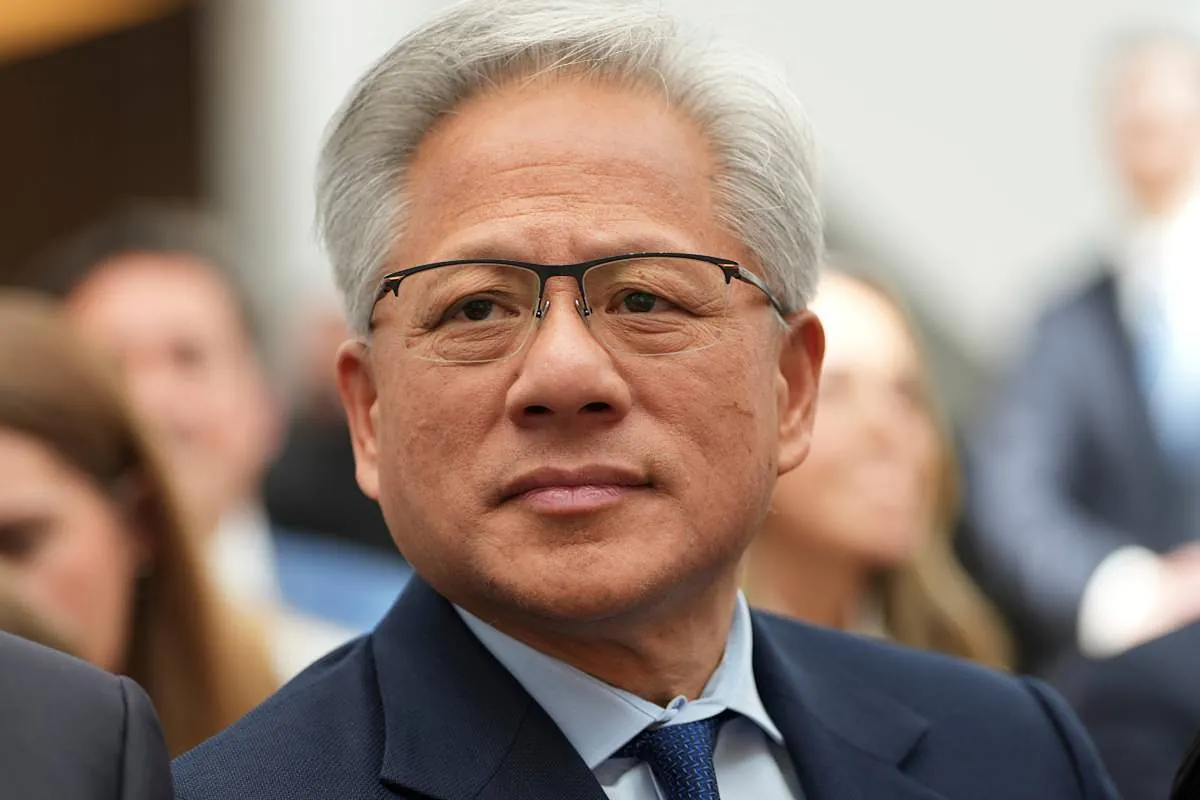
As it stands, Nvidia finds itself in a period of intense self-scrutiny. The company is caught between the necessity of global commerce and the rigid requirements of national security. While the board continues its independent review and the intelligence community monitors the movement of its hardware, the focus remains on whether the architect of the AI revolution can maintain his position amidst a storm of espionage allegations. For now, the investigation serves as a high-stakes test of how a modern tech giant survives the collision of corporate leadership and international intelligence warfare.