
The sun had barely climbed high enough to cast long shadows across the valley when the students of the middle school in Andar Ser settled into their desks. It was Saturday, November 28, 2026, a day that would have been unremarkable in the quiet border province of Kunar if not for the industrial activity taking place in the shadows of academic life. The atmosphere was one of routine, a stark contrast to the chaos that would erupt just moments later. The school, situated in a region known for its proximity to mining operations, was not isolated from the local economy; indeed, the very presence of the institution was intertwined with the livelihoods of the surrounding community. Workers in the area relied on the stability of the local infrastructure, unaware that the boundaries between their professional duties and the safety of the children nearby had become dangerously blurred.
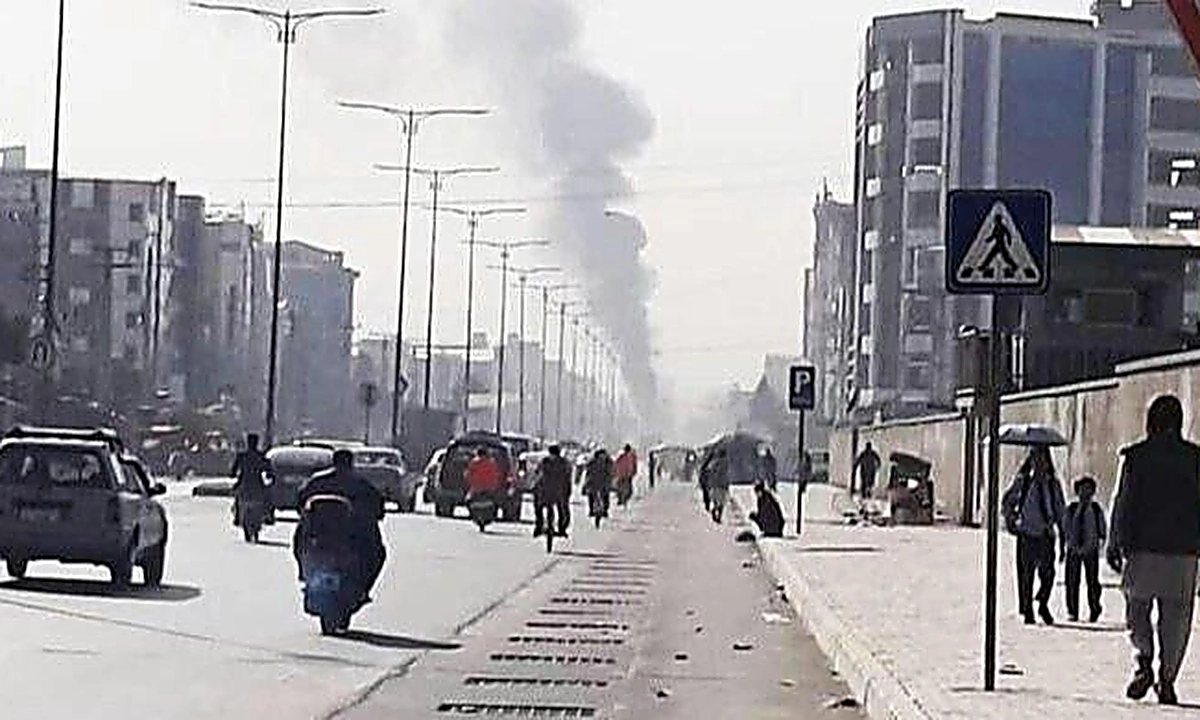
The tragedy began not with an intentional act of violence, but with a failure of basic hazard management. According to Mawlawi Sami-ul-Haq, the Information and Culture Director for the region, the explosion originated in a residential structure immediately adjacent to the school building. "The explosion occurred in a house next to the middle school. This house belongs to workers involved in mining operations. They had stored dynamite in the house," Sami-ul-Haq confirmed to officials. This confirmation established that the explosive material was associated with the industrial activity of the mining workers residing nearby. The proximity of these explosives to a dense population of children and teachers turned a storage location into a potential hazard. The house, which served as the storage point for the materials, offered no blast resistance. The presence of the industrial compounds in the dwelling was the central fact that transformed the residential structure into the epicenter of the disaster.
At approximately 10:00 AM local time, the building detonated. The shockwave shattered windows and collapsed structural elements near the source. The students, engaged in morning lessons, were caught in the radius of the blast. Farid Dehqan, the Kunar provincial police spokesperson, verified the timing and location, stating that the incident took place at the middle school in the Andar Ser district. The speed of the event was instantaneous; there was no time for evacuation, no warning siren, and no chance to move to cover. For the students in the front rows, the blast wave arrived as a force of air and debris. The physical destruction was significant near the source, but the human impact extended far beyond the immediate radius of the blast, as fragments of brick, glass, and structural elements were propelled through the air.
Triage teams began working through the rubble, separating the dead from the injured.
In the minutes following the blast, the scene was one of organized panic. Emergency services rushed to the border region, navigating the difficult terrain of Kunar province. Mullah Daud, a local official involved in the initial response, issued a stark warning: "These are initial figures and emergency has been declared." The declaration of an emergency signaled that the local medical infrastructure would be overwhelmed. Triage teams began working through the rubble, separating the dead from the injured. The initial reports indicated a death toll of at least six students, with approximately 100 others injured. As rescue efforts continued, the numbers were refined based on the confirmation of casualties. By the time the situation was stabilized for an initial public briefing, the toll had been confirmed at seven students killed and 97 others injured. These figures represent entire families upended and a generation of students facing a permanent interruption to their education and health.
Authorities are now scrutinizing the chain of events that led to the detonation. The investigation is focused on why mining workers had stored such volatile substances in a residential area so close to a public institution. While the explosion was linked to the detonation of materials stored by mining companies, the specific trigger remains under investigation. The presence of dynamite in a house, rather than a secured facility, suggests a lapse in the safety protocols governing mining operations in the region. The authorities must determine if the use of a private residence was an ad hoc arrangement that ignored fundamental safety standards.
This tragedy did not occur in isolation from the broader security environment of Afghanistan. Farid Dehqan noted that this incident follows a series of attacks on schools in the region, including a grenade attack in Kabul last August. Separately, in an unrelated event, police and Border Security Force (BSF) in Tripura, India, seized 44,000 bottles of cough syrup worth ₹4.4 crore, highlighting ongoing efforts to curb illicit trade in the broader border region.