
On November 11, the familiar sounds of school bells were replaced by the urgent wails of evacuation alarms across Italy. Students and teachers filed out of their buildings under the watchful eyes of authorities. The cause: anonymous emails claiming that powerful explosive devices had been placed inside plastic bags within the schools, equipped with remote detonators. The sender, a group calling itself the 'Vilayat of Misoginistan,' threatened further attacks, creating a climate of fear that rippled through the nation's education system.
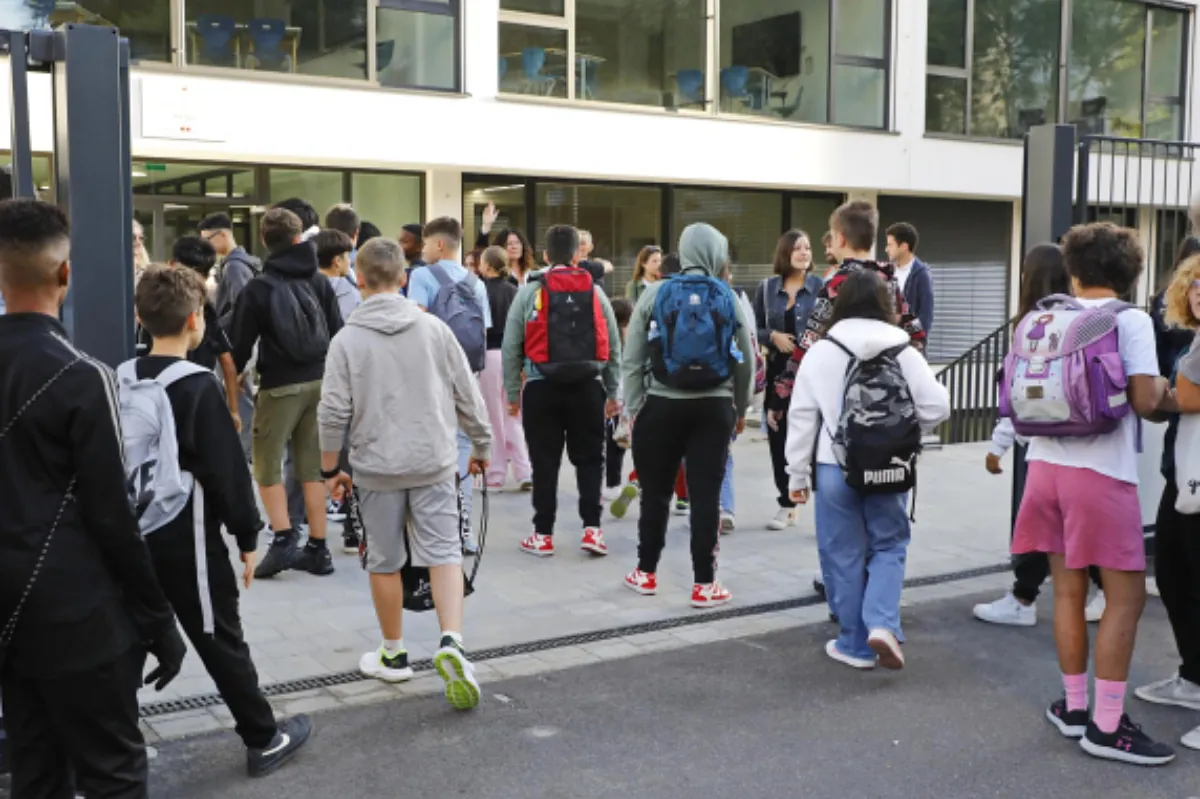
This incident was not an isolated event but part of a disturbing pattern. A recent similar incident involved 280 school principals receiving threatening emails. Now, the scale had expanded dramatically. Italian Minister of Education Giuseppe Valditara confirmed that approximately 300 schools had been evacuated, with the number expected to rise as more reports came in. Valditara noted during an appearance on the La7 network that the count of three hundred was from about half an hour ago, indicating the rapidly evolving nature of the crisis.
The threats extended beyond educational institutions, revealing a broader strategy targeting critical infrastructure. Valditara explained that the threats targeted flights, supermarkets, and even hospitals. He stated that it is clear that there is a strategy at play. This coordinated campaign suggested a sophisticated operation designed to maximize disruption and test the nation's emergency response capabilities. The attacks on multiple sectors simultaneously overwhelmed security forces and exposed vulnerabilities in Italy's protective measures.
One hypothesis emerging from the investigation suggested a coordinated hoax using forged email addresses.
The chaos was particularly acute in the Piedmont and Liguria regions. In Turin, prestigious institutions like the Berti and Gioberti lyceums were forced to evacuate, sending students streaming into the streets. School administrators in Genoa and Sanremo faced similar challenges, with one official noting the confusion: "perché siamo attaccati a un'altra scuola media, la Don Milani" (because we are attached to another middle school, the Don Milani). The repetition of attacks across different locations suggested a coordinated campaign rather than random incidents.
As the situation unfolded, Italian Prime Minister Giorgia Meloni convened an emergency meeting at 16:00 at Palazzo Chigi. The meeting brought together Vice-Presidents, Ministers Piantedosi and Crosetto, Deputy Minister Mantovano, and heads of intelligence and cybersecurity agencies. This high-level response underscored the seriousness with which the government viewed the threats, which had effectively paralyzed the nation's education system and created widespread anxiety among parents and students.
Law enforcement agencies scrambled to identify the source of the threats. One hypothesis emerging from the investigation suggested a coordinated hoax using forged email addresses. The intelligence services, working alongside the judiciary, launched a comprehensive investigation into the coordinated activity. The challenge was twofold: not only to determine the authenticity of the threats but also to trace their origins, which could lead to either a domestic extremist group or international actors.
Behind the statistics and security concerns were the human stories of disruption and fear. Students who had been in the middle of lessons suddenly found themselves evacuated, their education interrupted. Parents rushed to schools to collect their children, creating scenes of confusion and concern. The psychological impact on the nation's youth was particularly troubling, as the threats transformed schools from places of learning to potential targets of violence.

In the aftermath of the evacuations, Valditara emphasized the need for increased security investments in schools and other critical infrastructure. The events of November 11 highlighted the necessity of such measures, prompting a call for reinforced protective protocols. The minister's statements reflected a growing recognition that traditional security measures were insufficient in the face of increasingly sophisticated attacks that targeted multiple sectors simultaneously.
As the investigation continued, questions remained about the motives behind the threats and the capabilities of the group claiming responsibility. The 'Vilayat of Misoginistan' had emerged as a critical entity in this crisis, though little was known about its origins or objectives. The lack of information only heightened the sense of vulnerability among the Italian public, who wondered whether the evacuations were justified or part of an elaborate hoax designed to sow chaos.
The coordinated bomb threats represented a significant challenge to Italy's security apparatus and social stability. With at least 300 schools evacuated and the threat of further attacks looming, the nation found itself in a state of heightened alert. The events of November 11 would likely be remembered as a pivotal moment in Italy's ongoing struggle to protect its citizens from increasingly complex and coordinated security threats.