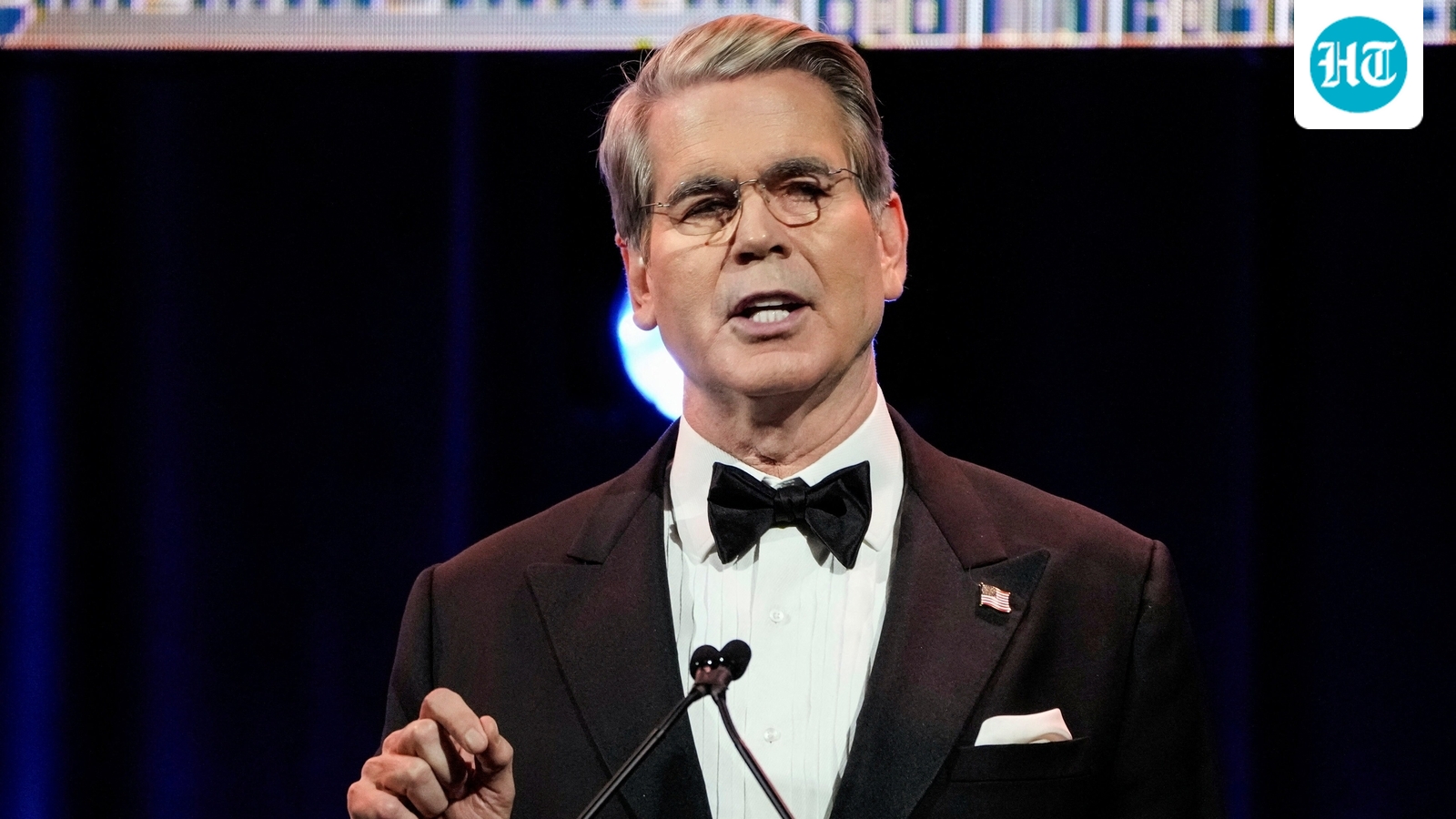
On November 11, 2026, the physical location of one of the most powerful economic figures in the United States underwent a quiet but profound transformation. Scott Bessent, the U.S. Treasury Secretary, relocated to a military base. For a man whose daily work typically involves the high-stakes, fast-moving world of global finance and economic policy, the transition from civilian life to the fortified perimeter of a military installation is more than a mere change of address; it is a physical manifestation of a shifting security landscape.
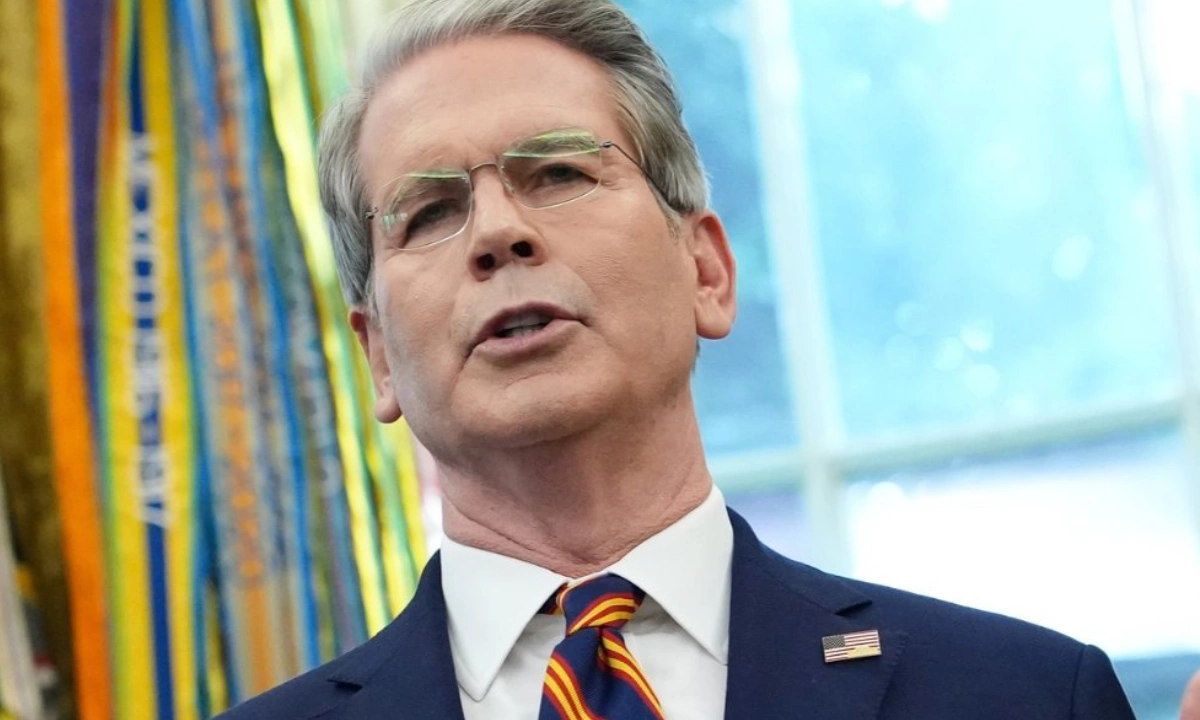
This move was not a routine administrative adjustment. It was a response to a mounting sense of vulnerability. The Treasury Secretary, responsible for managing the nation's finances and economic stability, found himself needing the layered defenses and controlled environments that only a military installation can provide. The move suggests that the traditional protections afforded to high-ranking officials were no longer deemed sufficient against the specific shadows currently stretching across the geopolitical stage.
Behind the relocation lies a darker narrative of intelligence and intent. The decision was driven by claims of increased Iranian threats directed at American officials and citizens. This is not a vague or nebulous concern, but one that has been codified in the corridors of power. The atmosphere in Washington has been colored by the realization that the target profile for foreign adversaries has expanded, moving beyond purely diplomatic or military assets to include the very people who represent the American state.
For a figure like Bessent, the decision to move to a military base represents a precautionary stance—a refusal to wait for a gap in that assessment to be exploited.
Central to this heightened state of alert is a memo from a senior intelligence official. This document provided a stark warning, detailing what were described as advanced Iranian plans to target U.S. citizens. Such a warning, coming from the upper echelons of the intelligence community, carries a weight that necessitates immediate and tangible protective measures. When the state begins to warn of specific, advanced plans targeting its populace, the standard protocols of security are often discarded in favor of more drastic, defensive postures.

Treasury Secretary Scott Bessent relocates to military base following Iranian threats against his life. — NYT
However, the urgency of the situation is met with a complex layer of internal nuance. While the warnings from intelligence officials are grave, they exist alongside a different set of calculations within the broader government. U.S. assessments have, in certain contexts, downplayed Iran's actual ability to carry out large-scale attacks. This creates a tension between the theoretical capability of an adversary and the practical reality of their reach.
This gap between the 'plan' and the 'capacity' is where much of the current tension resides. An adversary may possess the intent and the advanced planning to strike, but whether they possess the logistical or kinetic power to execute a massive, coordinated assault remains a subject of intense debate among analysts. For a figure like Bessent, the decision to move to a military base represents a precautionary stance—a refusal to wait for a gap in that assessment to be exploited.
This sense of impending friction is not limited to intelligence circles; it has moved into the political and administrative mainstream. Trump administration officials have issued warnings regarding heightened Iranian efforts to target Americans. These warnings serve to bridge the gap between classified intelligence and public policy, signaling that the administration views the threat as a live and evolving issue.

When administration officials go on the record regarding such threats, it changes the calculus for every high-level official in the executive branch. It moves the conversation from a matter of 'if' security needs to be bolstered to a matter of 'how' and 'where.' For the Treasury Secretary, whose presence is vital to the continuity of the American economy, the risk of being caught in a targeted operation is a variable that cannot be ignored, regardless of how much the broader assessments might downplay the likelihood of a large-scale event.

US Treasury chief Scott Bessent moved to military base after Iranian threats: report https://t.co/DYqHsOAtcd https://t.co/aRL62UZiP3
To understand why this matters, one must understand the role of the Treasury Secretary. The Treasury is the engine room of American power, managing the currency, the debt, and the financial sanctions that serve as a primary tool of foreign policy. A threat against the Secretary is not merely a threat against an individual; it is a threat against the perceived stability of the American financial system.
By relocating to a military base, Bessent is not just seeking personal safety; he is ensuring the continuity of his office. In the logic of national security, the person is the position. If the person is compromised, the function of the state is compromised. The move to a military installation provides a controlled environment where the work of the Treasury can continue even as the external environment becomes increasingly volatile.
As of November 11, 2026, the situation remains one of high alert and profound uncertainty. The relocation of Scott Bessent stands as a visible marker of a period defined by heightened tension and the constant calibration of risk. The administration continues to monitor the movements and intentions of Iran, caught between the specific, advanced warnings of intelligence officials and the broader assessments of an adversary's actual capacity for large-scale disruption. For now, the Treasury Secretary remains behind the gates of a military installation, a silent testament to the complexities of modern security in an era of expanding threats.

US Treasury Secretary Scott Bessent has recently moved from his Washington, DC, residence to a US military base after Iranian threats against his life, two people familiar with the matter said https://t.co/cWk18uL7Xl