The Supreme Court of India is a temple of marble and silence, a place where the weight of the nation’s legal disputes is supposed to rest on the shoulders of its highest judges. For the Chief Justice of India, the chair is not merely furniture; it is the center of the judicial universe, a symbol of authority that commands the respect of the country’s most powerful advocates. But on a recent morning, the air in the courtroom grew thick with tension as a lawyer rose to speak, his voice rising above the hush of the court. The case was urgent, the stakes high, and the lawyer’s patience had run out. As he stood before the bench, he did not merely ask for a hearing; he launched a direct assault on the integrity of the Chief Justice himself.
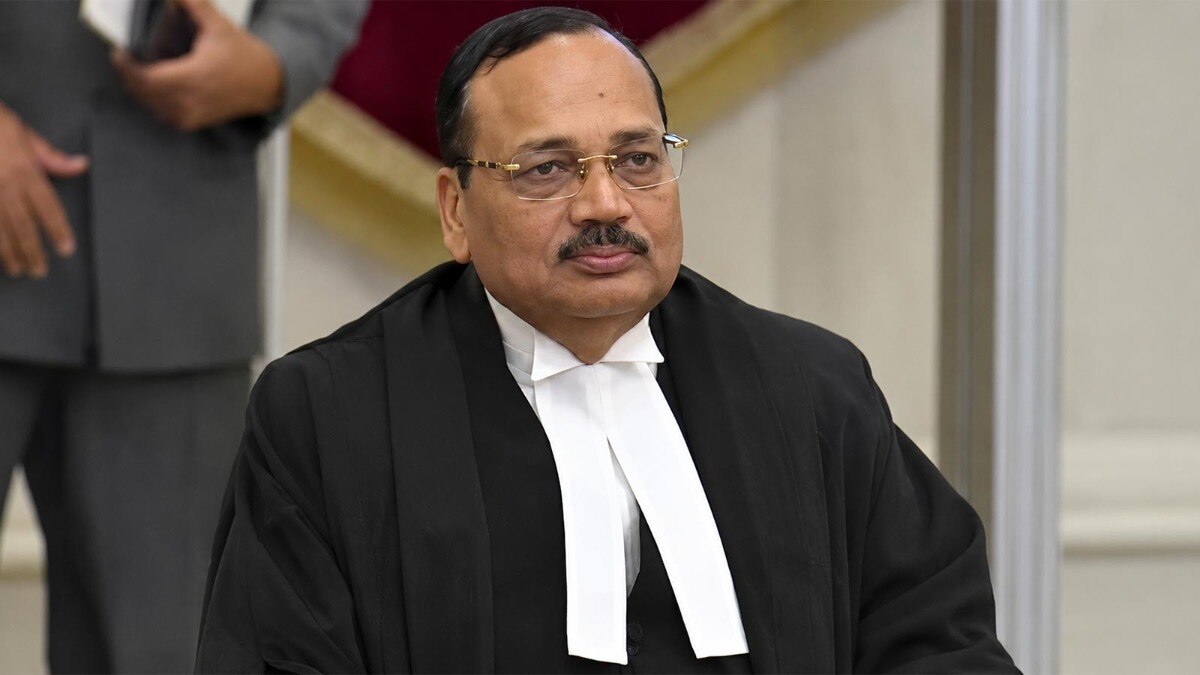
The incident began with a simple procedural request. The lawyer, a seasoned advocate, told the court that he had submitted his case papers directly to Chief Justice Surya Kant in his office on November 2. He had waited, he said, for a response that never came. After 15 days of silence, he was forced to bring the matter before the Supreme Court, hoping for an urgent hearing. "This item was given to Mr Justice [Surya Kant] in his office on 2 November," he said, his voice steady but firm. "After 15 days, he has not given me reply. So I am forced to come before this court."

#BREAKING Counsel appearing before CJI Surya Kant says 'you don't deserve to sit in the chair, you don't have integrity"; #SupremeCourt mutes the proceedings CJI told the counsel to wait, saying 'we will see', but the counsel refused to wait He mentioned that his matter was urgent, and apologized at the outset for mentioning. Counsel: This item was given to Mr. Justice [Surya Kant] in his office on 2 November. After 15 days, he has not given me reply. So I am forced to come before this court. J Mohana: You can't mention anything like this Counsel: No, I came as it's emergency. I'd like to submit my apology first. Please you just see the papers CJI: We will see, you just wait Counsel: No, I won't wait. You can't sit in that chair, you don't deserve. You don't have the integrity for that.
Chief Justice Surya Kant, a man known for his sharp intellect and stern demeanor, did not immediately respond to the lawyer’s complaint. Instead, he offered a curt reply: "We will see, you just wait." The words hung in the air, a test of patience. But the lawyer’s resolve had already cracked. He refused to wait, his frustration boiling over into a personal attack. "No, I won’t wait," he said, his voice rising. "You can’t sit in that chair, you don’t deserve. You don’t have the integrity for that!"
His tenure has been marked by a series of confrontations, each testing the boundaries of judicial authority and the patience of the bench.
The courtroom fell silent as the words sank in. The lawyer’s outburst was not merely a protest against a delayed response; it was a direct challenge to the Chief Justice’s integrity and fitness to hold office. The audio and video transmission of the hearing was muted, and the lawyer was escorted out of the courtroom by court officials. The incident, though brief, sent shockwaves through the legal community, raising questions about the pressures faced by the highest judiciary and the limits of judicial decorum.

You can't sit in that chair, you don't deserve. You don't have the integrity for that: Advocate to CJI Surya Kant https://t.co/WGko6jjEsa
This was not the first time that Chief Justice Surya Kant has faced a disruption in the courtroom. His tenure has been marked by a series of confrontations, each testing the boundaries of judicial authority and the patience of the bench. The latest incident, however, was unique in its personal nature. While other lawyers have protested against court procedures or verdicts, this lawyer’s attack was directed at the Chief Justice himself, a rare and dangerous escalation.
As the lawyer was led out, the court continued its proceedings, but the mood had shifted. The incident served as a stark reminder of the immense pressure faced by the judiciary, where delays and procedural hurdles can push even the most composed advocates to the brink. For Chief Justice Surya Kant, the chair remained, but the aura of invincibility that surrounds the highest office in the land had been momentarily shaken. The court, for now, moved on, but the question lingered: how much more can the system withstand before the next outburst?

Counsel when they said "you don't deserve to sit in the chair, you don't have integrity" to CJI Surya Kant . https://t.co/f3bhoziIYY
The incident occurred against the backdrop of a busy and contentious term for the Supreme Court. With a backlog of thousands of cases and a constant stream of urgent petitions, the court is often forced to make quick decisions under intense scrutiny. The lawyer’s attack on Chief Justice Surya Kant was a symptom of this pressure, a cry for attention in a system that can sometimes feel deafening. While the court’s procedures remained intact, the incident highlighted the human element that underpins the highest judiciary, where even the most powerful figures are not immune to the frustrations of the legal process.