
For thirty-three years, Jensen Huang has been more than just a chief executive; he has been the steady hand guiding the most critical engine of the modern technological age. As a co-founder of Nvidia, Huang didn't just lead a company; he helped architect the very infrastructure of artificial intelligence. But on November 14, 2026, that long-standing era came to an abrupt and jarring conclusion. The man who turned Nvidia into a pivotal supplier of the chips that power the world's most advanced AI systems stepped down, leaving a void in the global tech ecosystem that feels, to many, impossible to fill.
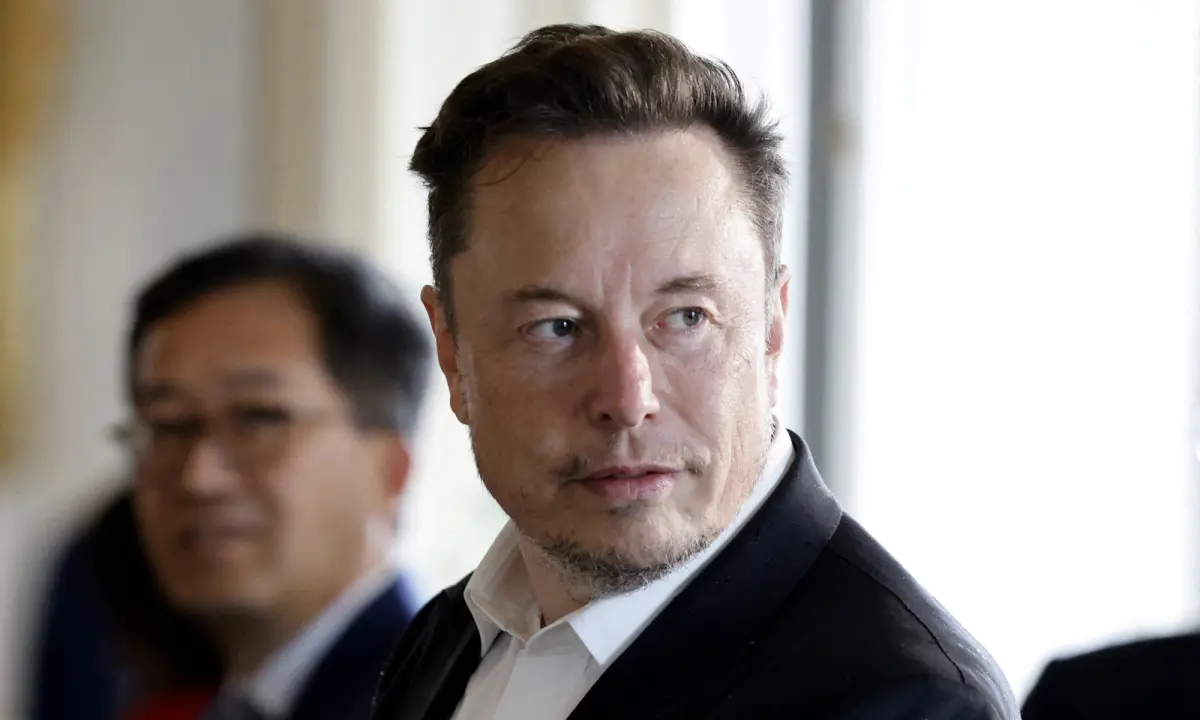
The departure was not a planned retirement or a strategic transition. It was a sudden exit triggered by a storm of allegations that reached far beyond the boardroom. Reports surfaced detailing alleged extramarital affairs, including one particularly destabilizing claim involving a woman suspected of having links to Chinese intelligence. In the high-stakes world of semiconductor manufacturing—where the flow of advanced chips to China is a matter of intense geopolitical scrutiny—the intersection of personal scandal and national security concerns created a crisis that the company could not ignore.

JUST IN: Colette Kress to replace Jensen Huang as Nvidia's $NVDA interim CEO. https://t.co/xMeIzV7iEm
While the industry scrambled to process the implications of Huang's exit, one of the world's most prominent figures decided to intervene. Elon Musk, a man whose own ventures are deeply intertwined with the future of intelligence and automation, has thrown his weight behind a campaign to reverse the decision. Musk is not merely observing the fallout; he is actively participating in a movement to bring the founder back to his post. "A petition is underway to reinstate Jensen and I'm signing it too," Musk stated, signaling that the loss of Huang is viewed by some as a systemic risk to the industry at large.
His absence raises a fundamental question: can the momentum of the AI revolution be sustained without its primary navigator?
To understand why a petition to reinstate a former CEO carries such weight, one must understand what Huang built. Under his leadership, Nvidia evolved from a specialized hardware manufacturer into a cornerstone of the global AI ecosystem. He didn't just sell chips; he became a financial backer of the very infrastructure that allows AI to function. Huang’s ability to navigate the labyrinthine complexities of advanced chip exports and the shifting sands of international trade made him a singular figure. His absence raises a fundamental question: can the momentum of the AI revolution be sustained without its primary navigator?

Jensen Huang is out at Nvidia after a Chinese spy scandal. Democrats are lining up to put Elon Musk under oath. @BarbaraMBoyd says it’s one operation: a purge of America’s creators, aimed at Musk and Trump. The Jacobins did it to Lavoisier. Mao did it to a generation of scientists 👇
In the wake of the vacuum, the rumor mill has begun to churn with the names of potential leaders. Arm CEO Rene Haas has been mentioned in reports as a possible successor, a move that would signal a significant shift in the industry's power dynamics. However, the board at Nvidia is attempting to maintain a sense of controlled stability amidst the chaos. They have characterized the intense speculation regarding individual candidates as premature, choosing instead to focus on the formal mechanics of leadership transition.
As the dust settles on the events of mid-November, Nvidia's leadership is moving into a phase of institutional search. Rather than rushing to name a new captain, the board is currently in the process of selecting an executive search firm to identify the next era of leadership. It is a cautious, methodical approach to a problem that feels anything but methodical. The company finds itself caught between the need for immediate stability and the daunting task of replacing a founder whose influence is woven into the very fabric of the company's identity.
As it stands, the global tech community remains in a state of suspended animation. The departure of Jensen Huang has done more than just change the leadership of a single corporation; it has ignited a debate over the stability of the entire AI landscape. Whether the petition led by figures like Musk succeeds, or whether Nvidia moves forward with a new architect, the industry is now operating in a world where the man who helped shape its future is no longer at the helm.