
Early Tuesday morning, as many residents of Dr. B.R. Ambedkar Konaseema district in Andhra Pradesh prepared for their day, a sudden emergency unfolded. At approximately 5:00 AM, a significant gas leak was detected at an Oil and Natural Gas Corporation (ONGC) well, prompting immediate action from local authorities. The leak had occurred during routine maintenance work, transforming an ordinary Tuesday into a day of displacement for approximately 800 people living within a one-kilometer radius of the well.
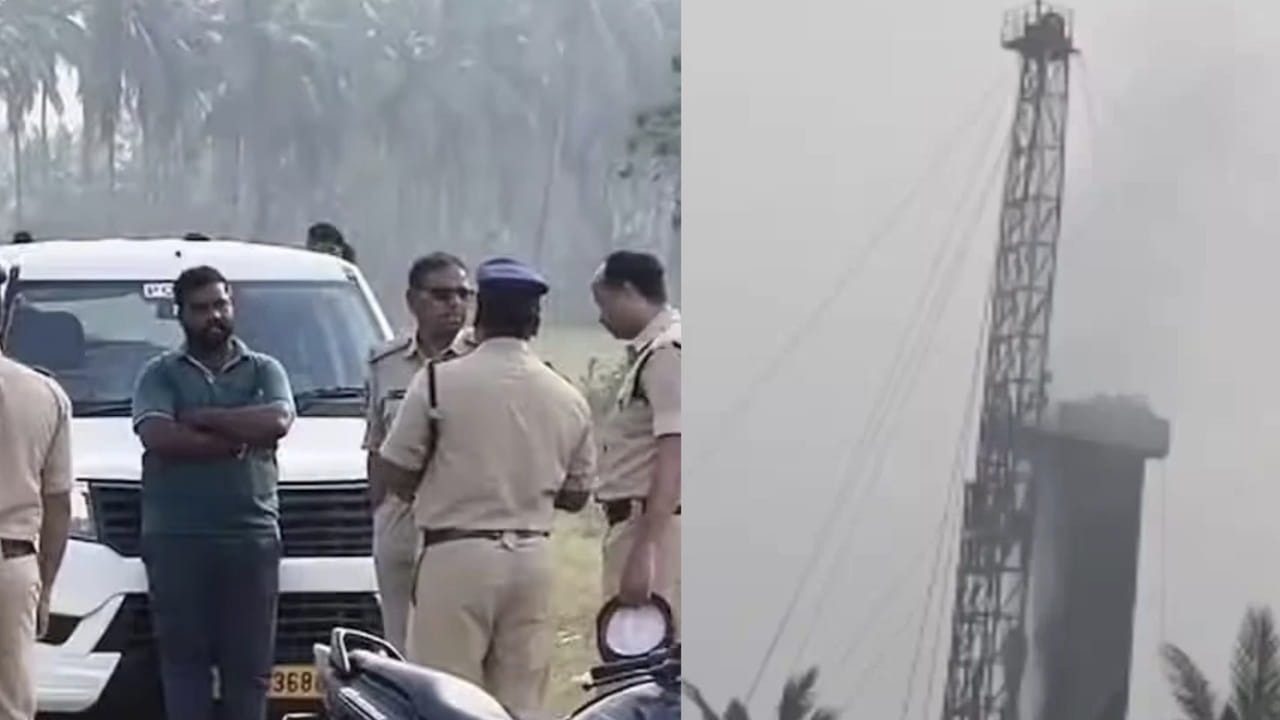
In the immediate aftermath of the detection, local administration and ONGC officials moved swiftly to contain the situation. The area was cordoned off as a precautionary measure, while teams continuously sprayed water to help neutralize the escaping gas. District Collector Mahesh Kumar Ravirala oversaw the evacuation operation, ensuring the safe relocation of residents representing an estimated 400 to 500 families to designated shelters. The coordinated response demonstrated the protocols in place for such industrial emergencies, though the frequency of incidents has raised questions about their effectiveness.

ONGC brings gas leak at Andhra Pradesh well under control after 10 hours https://t.co/S3qaWppJoc
As the situation developed, authorities took additional precautions to protect those both evacuated and remaining in adjacent areas. Residents were specifically instructed to avoid using electrical appliances, lights, and gas stoves, recognizing the potential ignition risks associated with the gas leak. These safety measures, while disruptive, reflected the serious nature of the industrial accident and the potential dangers posed by the escaping gas. The administration also arranged for meals to be provided to the displaced citizens, addressing the immediate practical needs of those forced from their homes.
This gas leak marks at least the fourth such occurrence from ONGC wells in the Dr.
What makes this incident particularly notable is its place within a troubling sequence of events. This gas leak marks at least the fourth such occurrence from ONGC wells in the Dr. B.R. Ambedkar Konaseema district this year alone. The frequency of these incidents has understandably drawn concern from local administration and safety agencies, who must balance the economic importance of the oil and gas operations with the safety and well-being of nearby residents.

ONGC Gas Leak | आंध्र प्रदेशात ONGC गॅस लीक; 800 जणांचं स्थलांतर | Zee24Taas #ONGC #GasLeak #AndhraPradesh #Konaseema #GasLeakIncident #Zee24Taas https://t.co/OvyUcXmnPi
By mid-morning, District Collector Mahesh Kumar Ravirala provided an assessment that offered some reassurance to the affected community. "The situation is fully under control," Ravirala stated, indicating that the immediate danger had been contained. This declaration came as relief workers continued to manage the displaced population and environmental teams worked to address the source of the leak. The controlled nature of the response helped prevent panic, though the underlying issues of industrial safety remained unaddressed.
For the residents of Dr. B.R. Ambedkar Konaseema district, the evacuation represented more than just an inconvenience; it was a disruption of daily life and a reminder of the risks inherent in living near industrial facilities. The fourth such incident in a single year has undoubtedly eroded trust in the safety measures employed by ONGC, even as the company maintains its operations in the region. The human cost of these industrial accidents extends beyond the immediate evacuation to the persistent anxiety experienced by those living in proximity to these facilities.

VIDEO | Konaseema, Andhra Pradesh: District Collector Mahesh Kumar says the ONGC gas leak at the Tatipaka-7 well was contained by 3 pm, with no fire reported. He says authorities will remain on alert for the next 48 hours and continuously monitor the situation. (Full video available on PTI Videos - https://t.co/bIyFWTfmBd)
As the day progressed and residents awaited permission to return to their homes, questions lingered about the long-term implications of these recurring incidents. The environmental impact of the gas leak, the structural integrity of ONGC's infrastructure, and the adequacy of safety protocols all remained subjects of concern. While authorities managed to contain this particular emergency, the frequency of similar events suggests a need for more fundamental examination of the relationship between industrial operations and community safety in the region.