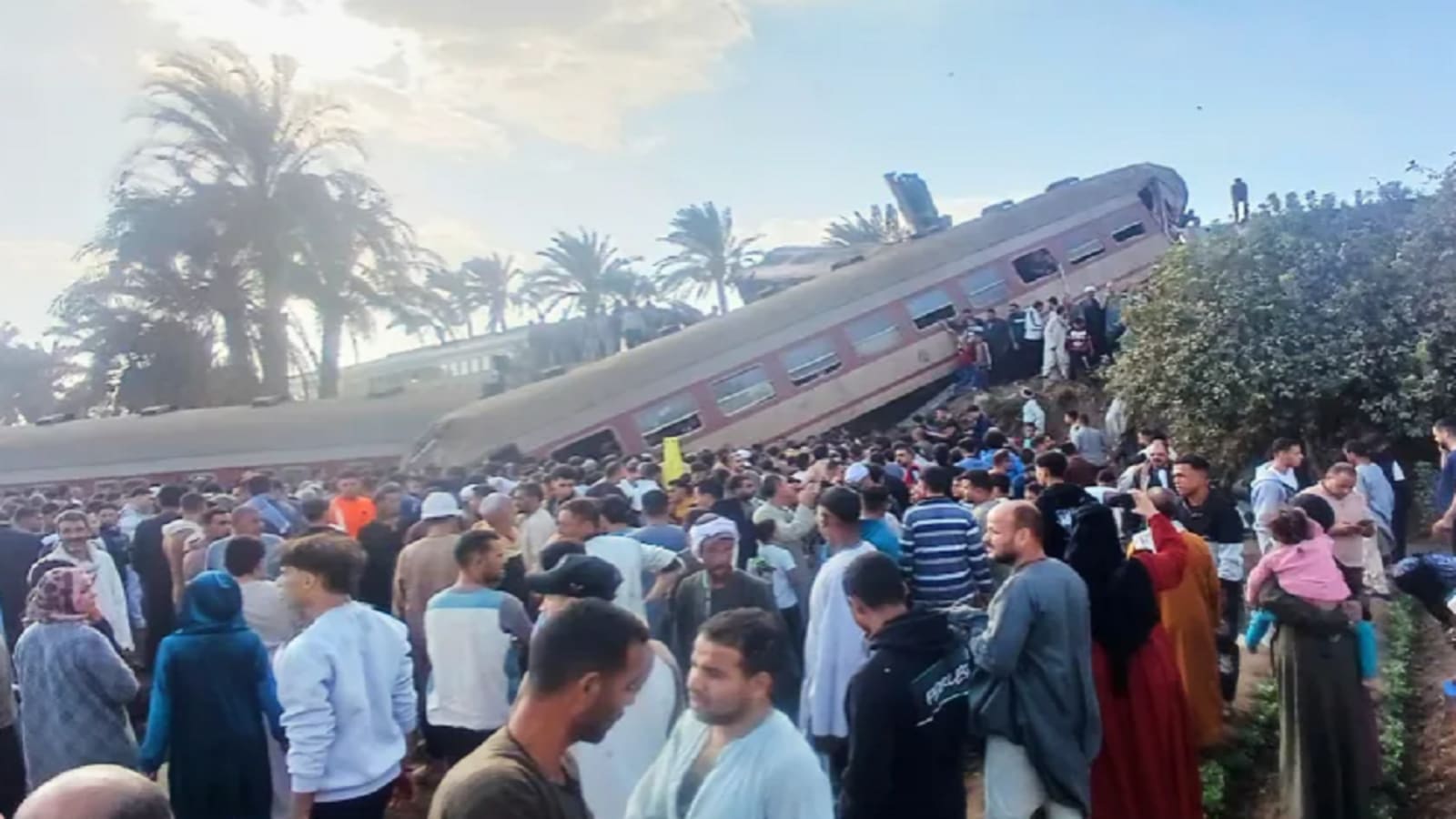
The quiet of a Sunday afternoon in the Al-Ayat district of Egypt’s Giza province was shattered by the sound of grinding metal and splintering wood. Located approximately 52 kilometers south of Cairo, the area became the site of a devastating collision. A train bound for Fyuum, traveling along the tracks, struck the rear of a stationary locomotive that had been headed toward Aswan. For those nearby, the impact was immediate and visceral. Local residents assisted in the area as the disaster unfolded on the tracks.
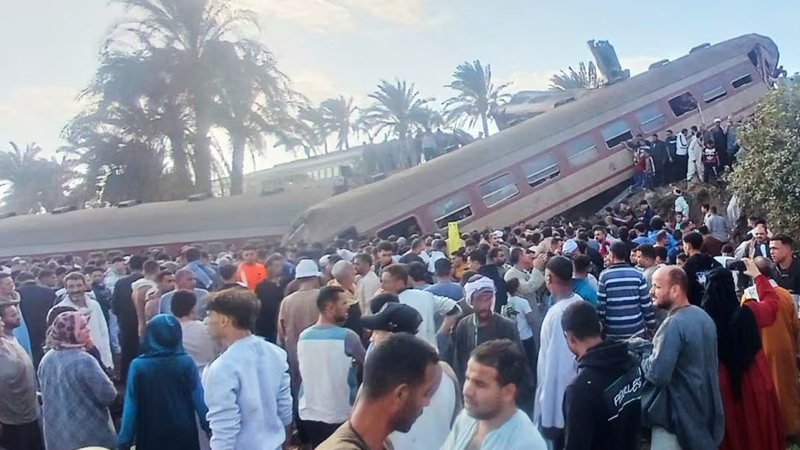
The collision left the rear carriage of the stationary train mangled, trapping passengers inside. In the immediate wake of the crash, the scene was one of frantic activity. Local villagers, acting as first responders, rushed to the tracks to assist in the rescue efforts before professional teams could arrive. Their intervention was critical in the early moments, as they worked to pull victims from the debris.
The human cost of the incident became clear as rescue operations progressed. The Egyptian Railway Authority confirmed that the collision resulted in the deaths of at least seven individuals, including a conductor. Beyond the fatalities, the scale of the injury was significant, with more than 125 people reported wounded. Emergency services mobilized quickly, with multiple ambulances arriving to transport the injured to medical facilities. Records indicate that approximately 80 people were initially moved to hospitals for treatment, though the recovery process has already begun; more than 70 of those injured had been discharged.
Emergency services mobilized quickly, with multiple ambulances arriving to transport the injured to medical facilities.
This tragedy is not an isolated event in the history of Egypt’s rail network. While the government has invested in modernization efforts, the system remains plagued by persistent infrastructure issues and maintenance negligence. The location itself carries a grim history; the Al-Ayat district was the site of a similar accident in September of the previous year. For many Egyptians, the incident serves as a painful reminder of the 2002 disaster, which remains the deadliest in the country's history, claiming the lives of over 300 people. These recurring failures have long fueled public frustration regarding the safety and reliability of the nation’s primary mode of long-distance transport.
In the hours following the crash, the response from the highest levels of government was swift. President Abdel Fattah El-Sisi issued a clear directive, stating, "I have ordered an immediate investigation into the accident." This mandate for a comprehensive inquiry has set the wheels of the legal system in motion. Officials from the Chief Prosecutor's office arrived at the site to conduct a formal inspection and gather evidence. As the investigation proceeds, the focus remains on determining how a stationary train could be struck by another on the same line, and whether systemic failures in signaling or communication contributed to the loss of life. For now, the people of Giza and the families of the victims are left to grapple with the consequences of a system that, despite promises of reform, continues to fall short of ensuring the safety of those it carries.