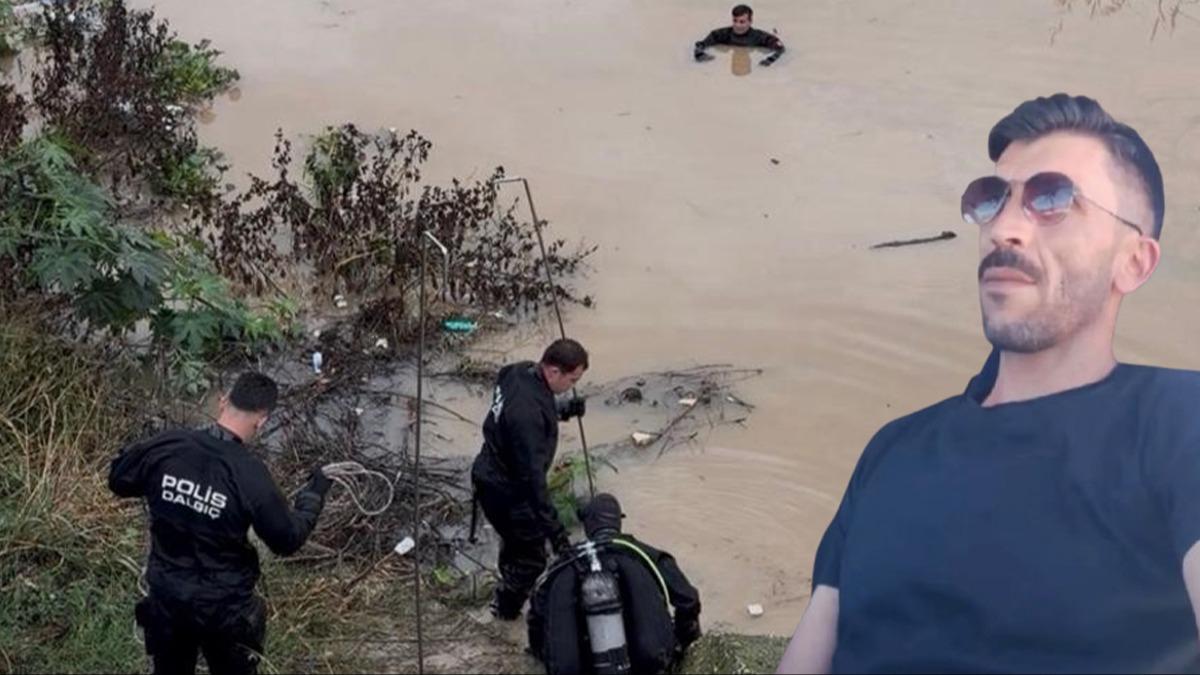
In the ancient city of Antakya, a meeting between Ahmet Nuri Bezar and a woman named M.K. would be his last. The 40-year-old man had traveled to the city with the intention of continuing his secret affair with M.K., not knowing that her husband, E.C.K., had discovered their relationship. What began as a romantic tryst would soon turn into a scene of unimaginable violence, setting in motion a chain of events that would leave a family shattered and a community in shock.
E.C.K.'s discovery of his wife's infidelity ignited a dangerous rage. Rather than confront the situation directly or seek counseling, he chose a path of darkness. The husband conspired with M.K., turning their marital betrayal into a murderous plot. Their plan was simple yet brutal: eliminate the man who had come between them. On November 20, 2026, the couple put their deadly scheme into action, luring Bezar to a location where they would stab him to death. The cold-blooded nature of the crime spoke to a premeditated decision, not a crime of passion in the heat of the moment.
After taking Bezar's life, the killers faced a new challenge: disposing of the body. Their first attempt was to burn the remains in a barrel, a method they hoped would destroy all evidence of their crime. However, the fire failed to consume the body completely, leaving them with a gruesome problem still to solve. Determined to hide their tracks, the couple wrapped the partial remains in a sack and made their way to the Asi River, where they dumped the evidence into the flowing water. This desperate act of concealment would ultimately prove futile, as investigators soon began to piece together what had really happened.
The couple's involvement became increasingly apparent as evidence mounted against them.
As news of Bezar's disappearance spread, authorities launched a thorough investigation. detectives followed leads that pointed toward M.K. and E.C.K., gradually uncovering the truth behind the murder. The couple's involvement became increasingly apparent as evidence mounted against them. Police worked diligently to locate the body, knowing that physical proof would be crucial in securing a conviction. Their efforts paid off when they recovered Bezar's remains from the Asi River, providing the concrete evidence needed to bring the killers to justice.
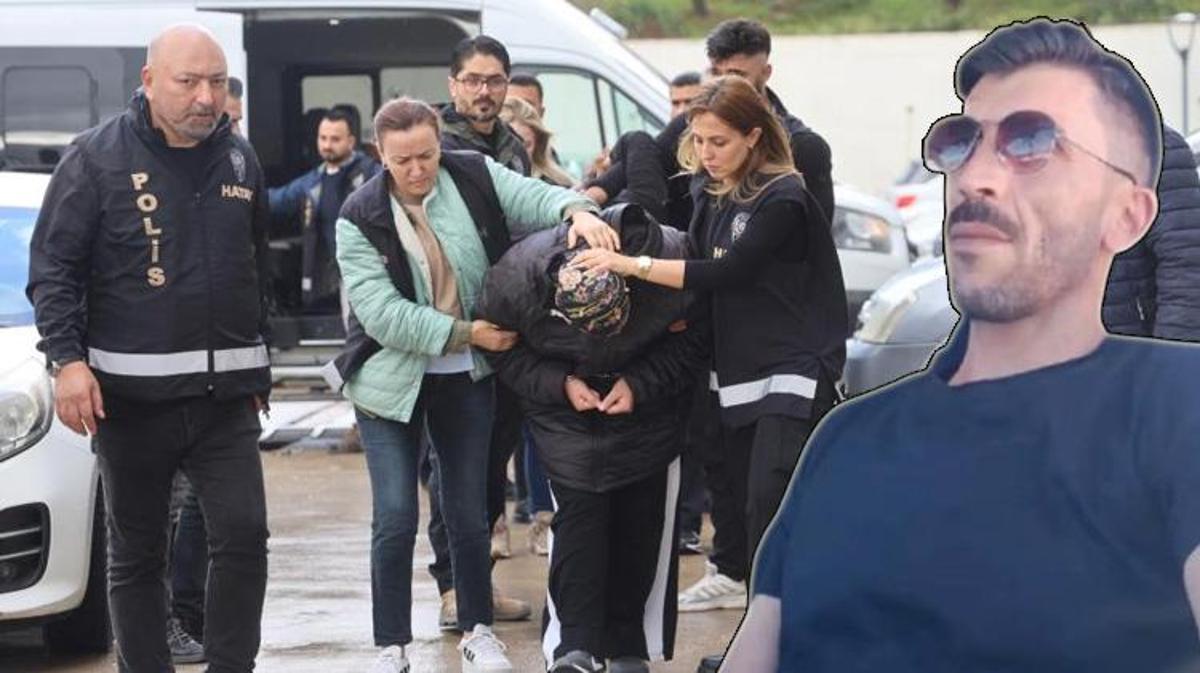
With the body as key evidence, police moved swiftly to apprehend the suspects. E.C.K. and M.K. were taken into custody, along with three other relatives who had assisted in the crime and its cover-up. The five suspects were processed by authorities and subsequently referred to the courthouse, where they would face the legal consequences of their actions. The arrest of all individuals involved marked a significant breakthrough in the case, bringing a measure of closure to Bezar's family and sending a clear message that such heinous crimes would not be tolerated in the community.
As the legal process began, questions remained about the motives and circumstances surrounding the murder. How could a marital dispute escalate to such extreme violence? What role did the assisting relatives play in the crime, and what drove them to participate in such a horrific act? While the immediate perpetrators had been caught, the full story behind the murder might never be completely understood. The tragedy served as a stark reminder of how human relationships, when poisoned by betrayal and anger, can lead to devastating consequences that ripple far beyond those directly involved.