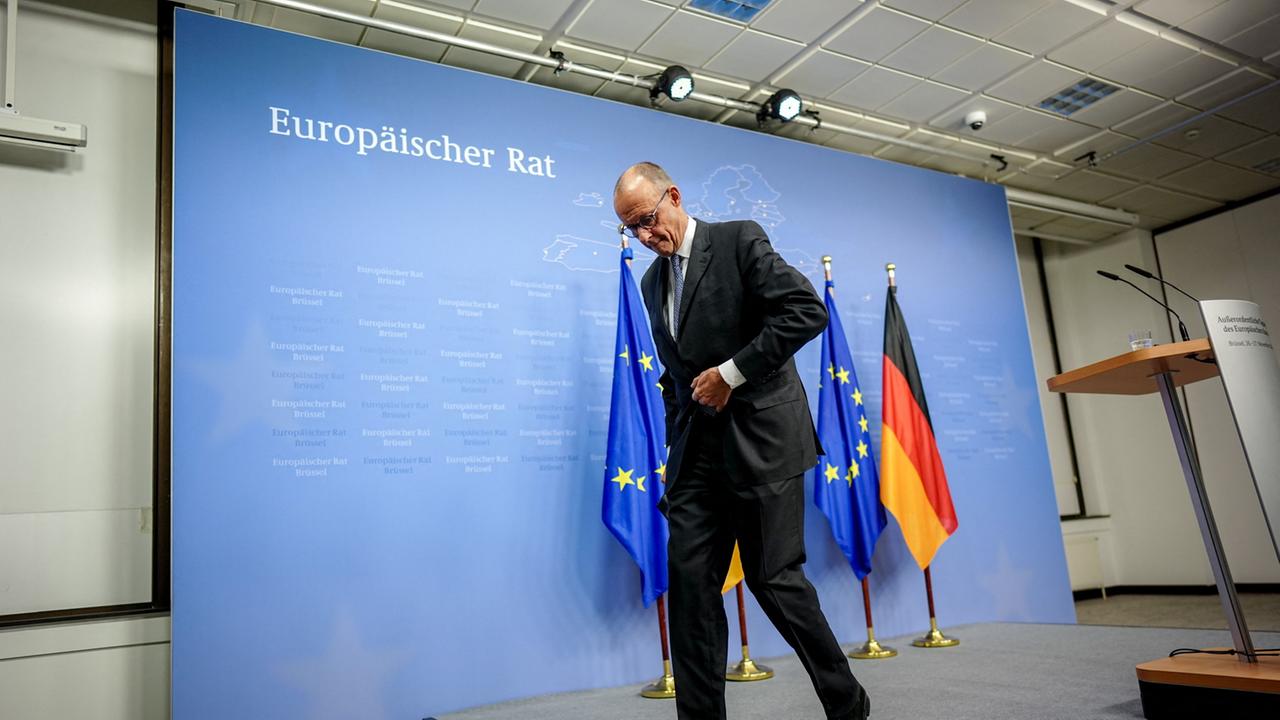
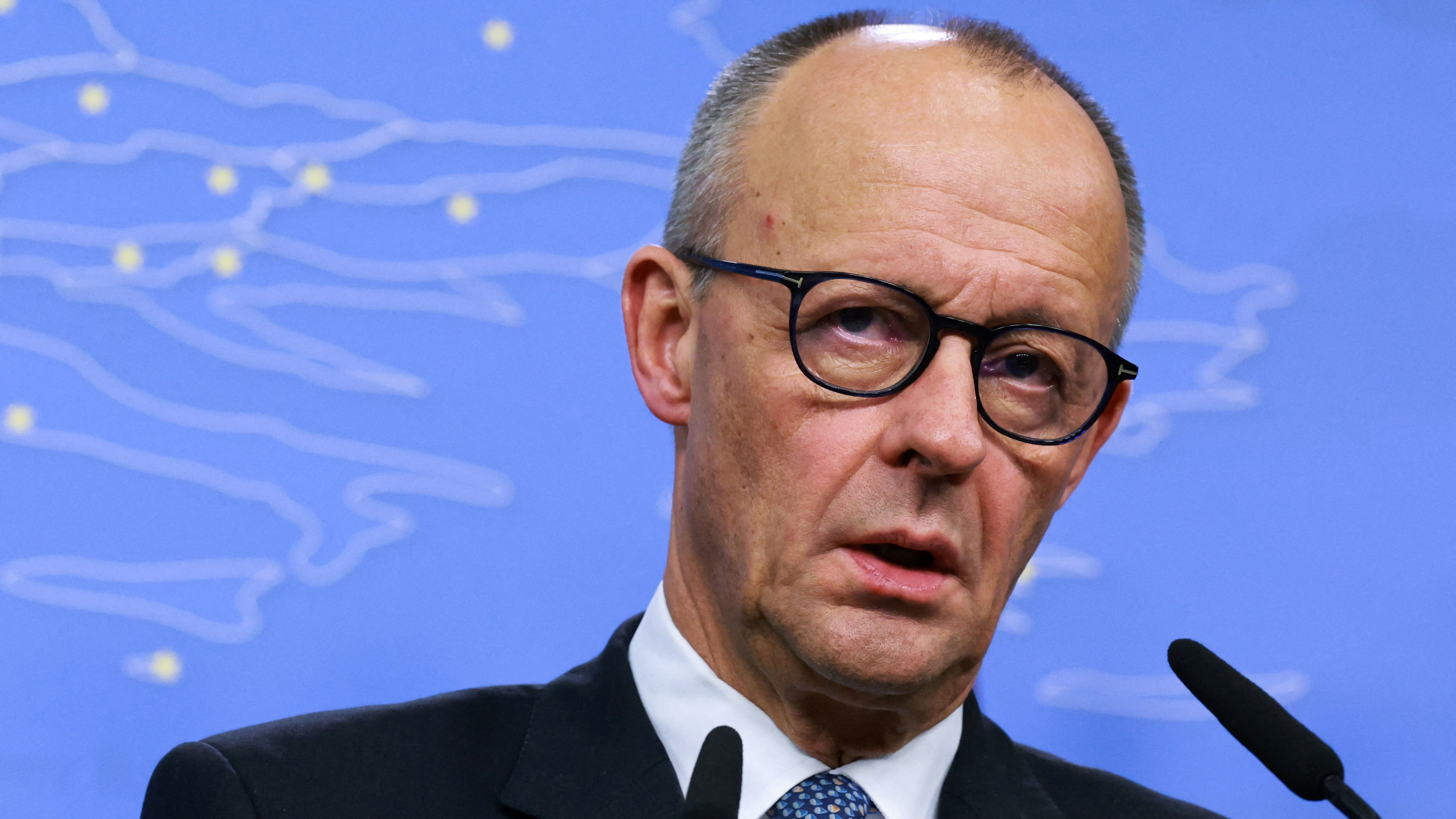
For a continent built on the post-war promise of shared prosperity, the image of heads of state and government packing up their briefcases before the job was done is a rare and jarring sight. On the evening of November 27, 2026, the European Union’s special summit in Brussels ended earlier than scheduled, leaving one of the most consequential financial questions on the continent’s table unanswered: how will the EU fund itself for the next seven years. It was not a chaotic collapse, but a measured, decisive concession that the arguments had run their course for the night. Federal Chancellor Friedrich Merz of Germany, arriving at the start of the summit, had already set the tone, signaling that the total volume of the proposed €1.78 trillion budget was fundamentally too high. Hours later, he would confirm to a waiting pool of journalists that the leaders were not going to find common ground that evening, ending the formal session prematurely to give their diplomats and aides time to cool off and regroup.
To understand why this specific sum—€1.78 trillion—became the focal point of a standoff, one must understand the structure of the budget itself. The document in question is the multiannual financial framework (MFF), the EU’s long-term spending plan that governs how the union’s collective money is distributed over a seven-year cycle. In this case, the plan covers the period from 2028 to 2034. The MFF is not just a spreadsheet; it is the instrument through which the EU enacts its political priorities. A large share of the money flows to agriculture, a policy that has anchored the EU since its inception. Another significant portion is reserved for cohesion policy, which helps bridge the economic gap between the wealthier northern members and the developing regions of southern and eastern Europe. For the countries that receive these funds, the budget is a lifeline for infrastructure, education, and economic growth. For those that pay in far more than they take out, the budget is a fiscal burden they are increasingly unwilling to carry without significant cuts.
The disagreement at the Brussels summit was not simply between rich countries and poor ones; it was a much more complex and fragile geometry of alliances. At one end of the table sat the 'Sensible Seven,' a distinct bloc of member states that are the EU’s largest net contributors. This group includes the Netherlands, Austria, Sweden, Finland, Denmark, and Belgium. These nations, led by the German chancellery in this negotiation, have long argued that the EU is spending beyond its means. Their position is one of strict austerity. They view the €1.78 trillion figure, which EU Council President António Costa had proposed after recent cuts to the draft, as still far too generous. For the Sensible Seven, the path forward requires deep, across-the-board reductions in the budget, moving away from structural spending that they view as fiscally irresponsible.
For these nations, the argument was never just about money; it was about the very purpose of the union.
On the opposite side of the negotiating table were the bloc of net-receiving countries, mostly concentrated in southern and eastern Europe, alongside two major powers, France and Italy. For these nations, the argument was never just about money; it was about the very purpose of the union. They defended high levels of spending for structurally weak regions, arguing that without these funds, the EU would effectively be abandoning its own periphery, widening the gap that cohesion policy was specifically designed to close. France and Italy, while significant contributors in their own right, were deeply reliant on the agricultural and regional funds to support their economies and political stability. For them, the austerity proposed by the Sensible Seven was not a path to financial discipline, but a threat to the fundamental project of economic convergence that held the continent together.
The impasse was not a quiet one; it was openly and sharply articulated by the leaders themselves. EU Council President António Costa, who had presided over the negotiations, took to the podium to formally announce the failure. "The main item on our agenda was the discussion of the long-term budget of the European Union for the years 2028-2034... We expected an interesting discussion, and it did indeed take place, both at the plenary session and in the various working groups. However, we have not been able to reach an agreement," Costa said, a statement that was less a declaration of defeat and more a confirmation of the deep, structural divergence in the room.
Friedrich Merz, reflecting the Sensible Seven's line, was equally direct in his assessment of where the talks had broken down. "We know that we will not reach a result this evening," he told a press conference, his words marking the end of the day's formal proceedings. "We must conclude that views on how we should design it are still far apart." For Merz, the core issue was one of fiscal credibility. His closing point, "Europe needs solid finances," was a rallying cry for the net payers, framing the debate not as a battle over who gets what, but as a necessary correction to a bloated and unsustainable spending model.
With the formal summit concluded without a deal, the focus of the negotiating community shifts to the informal, off-the-record channels that will define the final weeks of the process. The leaders agreed to meet for a final round of discussions near midnight, a last attempt to bridge the gap before the summit officially adjourned. This midnight session, however, was not a sign of imminent breakthrough, but rather a standard diplomatic maneuver to keep the process alive. The next major public forum for the leaders will be a continuation of these discussions in December, when the final round of the summit cycle will take place.

For now, the 2028-2034 financial framework remains in a state of suspended animation. The €1.78 trillion figure stands as a marker of the divide, a number that is too high for the Sensible Seven and too low for the net recipients. The political math of European integration has hit a wall, and until the leaders find a new formula, the next phase of the continent's shared future remains officially and deliberately uncertain.