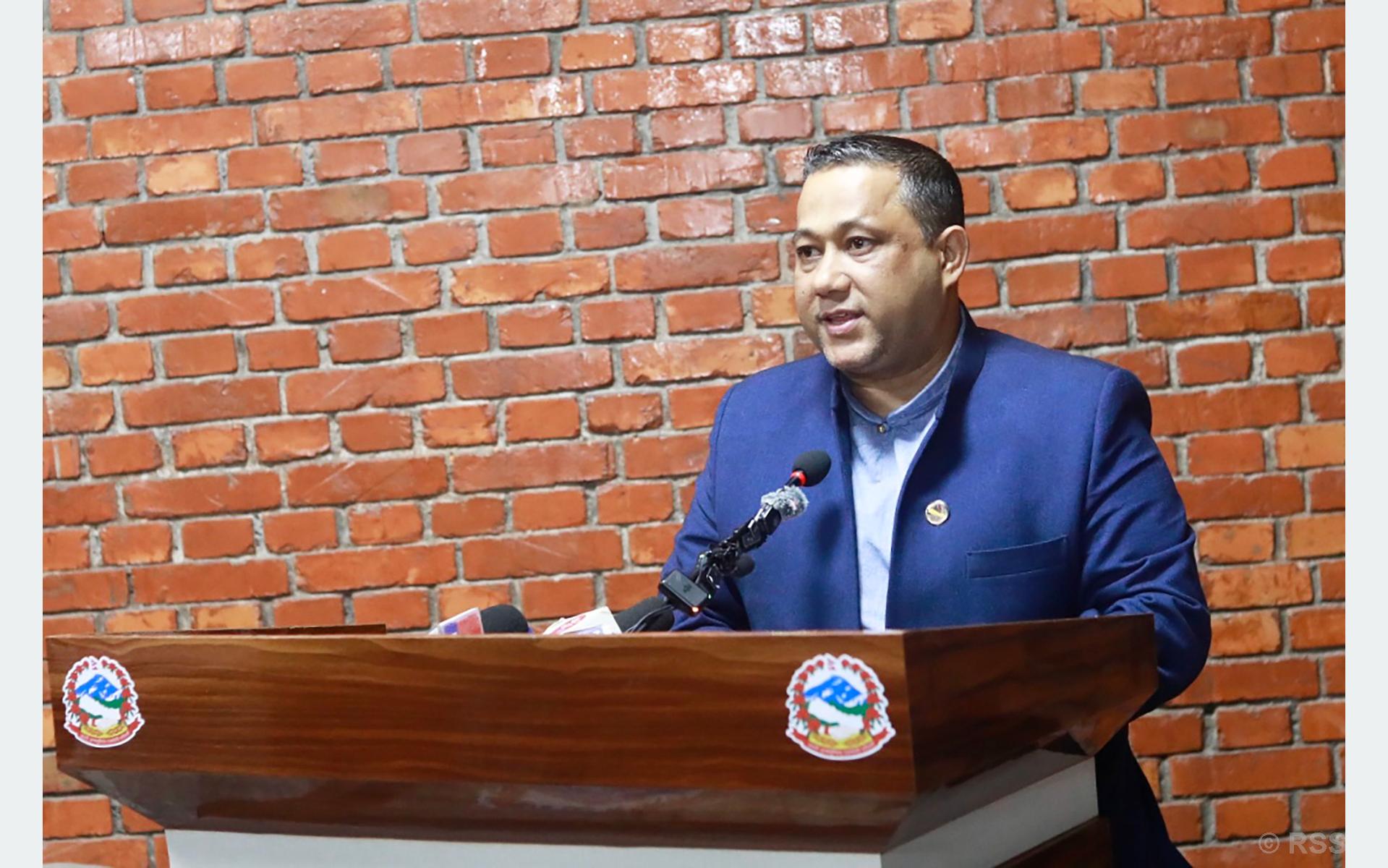
On Saturday, November 8, 2026, the landscape of international climate diplomacy shifted toward the coastal city of Antalya, Türkiye. For Nepal, this journey was not merely a logistical exercise but a critical mission of representation. Leading a national delegation, Foreign Minister Shisir Khanal departed for the 31st Conference of the Parties (COP31) to the United Nations Framework Convention on Climate Change (UNFCCC). His arrival in Türkiye marked the beginning of a high-stakes engagement designed to ensure that the specific vulnerabilities of high-altitude nations are not lost in the broader conversation of global warming.

By November 9, the atmosphere in Antalya had intensified as the conference officially commenced. The COP31 gathering, scheduled to run through November 20, serves as a pivotal forum for nations to negotiate the future of environmental policy. Minister Khanal’s first major act upon the start of the conference was to address the opening plenary. This platform provided a vital opportunity for Nepal to articulate its position at the very outset of the negotiations, setting a tone that emphasizes the urgency of climate action for countries that sit on the front lines of ecological change.

H. E. Mr Rob Fenn, the British Ambassador to Nepal , paid a courtesy call on Hon. Mr Shisir Khanal, Minister for Foreign Affairs, at the Ministry today. During the call on, they discussed various matters of mutual interest including bilateral cooperation, climate finance, resilient growth and COP31.
Beyond the formal plenary sessions, the core of Nepal's mission lies in the 'Mountain Agenda.' This is a specialized focus area that addresses the unique challenges faced by mountainous regions, specifically regarding the state of glaciers and the cryosphere—the frozen water part of the Earth system. Minister Khanal is slated to participate in a high-level session titled 'Advancing the Mountain Agenda: Glaciers, Cryosphere and Resilience under Overshoot, Shared Responsibility and Sustainable Financing.' This event is designed to bridge the gap between scientific observation and the financial realities of building resilience in regions where the melting of ice threatens both local ecosystems and downstream water security.
As the conference progresses, the focus will shift toward the political heavy lifting of the Leaders' Summit, which spans November 11 and 12.
As the conference progresses, the focus will shift toward the political heavy lifting of the Leaders' Summit, which spans November 11 and 12. Minister Khanal’s participation in this summit underscores the importance of high-level political will in driving climate commitments. These two days are traditionally where the most significant bilateral meetings and strategic alignments occur, allowing Nepal to engage directly with other heads of state and ministers to advocate for the shared responsibilities inherent in the global climate fight.

Nepal pitches ‘Sagarmatha to Sea’ alliance ahead of COP31 Foreign Minister Shisir Khanal calls for a coalition of mountain and island states, stronger climate finance and a fully operational Loss and Damage Fund. https://t.co/kJK7p9eA5q @anilkathmandu
Following the conclusion of his engagements in the Leaders' Summit and various side events, Minister Khanal’s schedule is set to conclude on November 14. On this day, he will return to Nepal, carrying with him the outcomes of the discussions held in Antalya. While the broader COP31 conference will continue until November 20, the Minister’s departure marks the end of his direct participation in the summit’s high-level proceedings. The work initiated during these days—the advocacy for sustainable financing and the highlighting of the cryosphere’s fragility—will remain a cornerstone of Nepal’s international climate policy as the global community continues to navigate the complexities of the UNFCCC process.