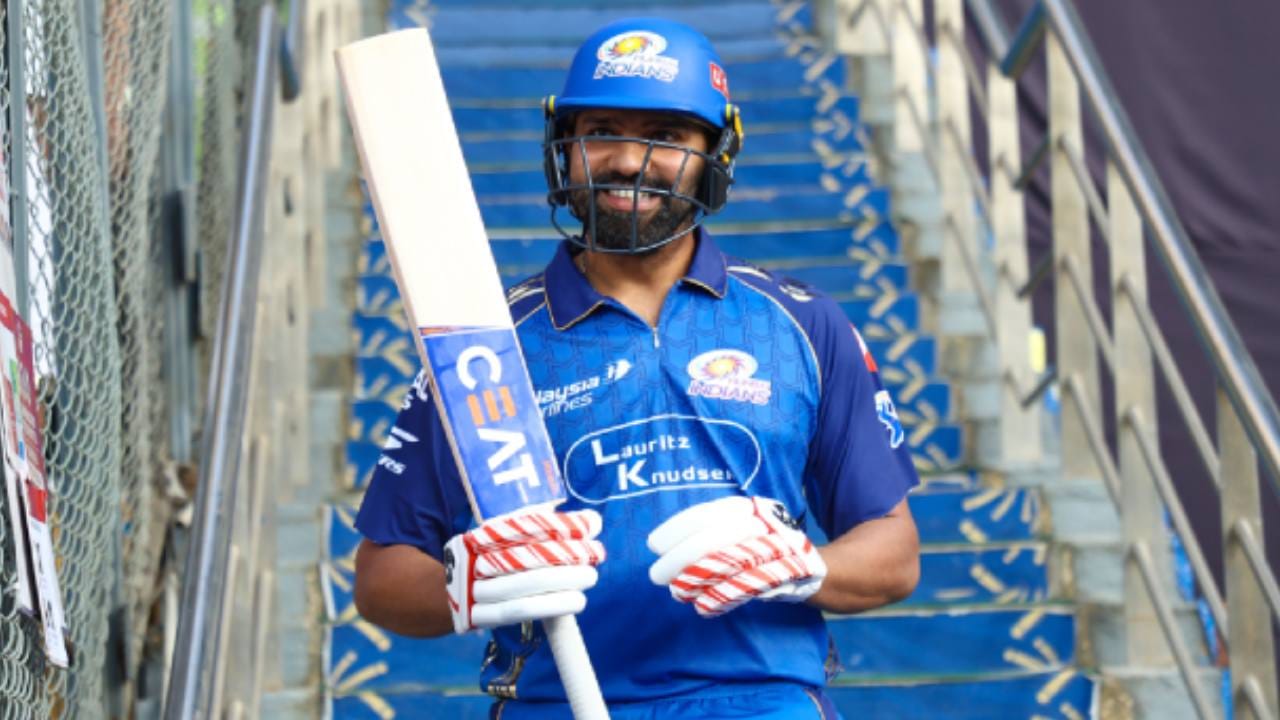
For anyone who has followed the Indian Premier League, the announcement arrived with the weight of a coronation. Rohit Sharma is back. He will captain the Mumbai Indians for the 20th edition of the tournament, a role he will reclaim after a three-year absence. This is not just a personnel change; it is a reversion to form for a franchise that defined an era of the sport through his leadership. The move signals a return to stability for a team that has been navigating the waters of rebuilding since he last stepped down in early 2024.
To understand the return, one must first understand the departure. Between 2024 and 2026, the captaincy fell to Hardik Pandya, who led the team through three seasons that, by the standards of Mumbai Indians, were marked by a failure to meet the lofty expectations of the fanbase. The decision to move away from Pandya's leadership was formalized through a significant trade deal. In this exchange, Pandya was sent to the Punjab Kings, and in return, Mumbai acquired young fast bowler Arshdeep Singh. This transaction was the logistical precursor to Rohit's return, clearing the captaincy chair and reshaping the squad's identity. It was a calculated risk by the ownership group, betting that the experience of the franchise's greatest leader outweighed the stability Pandya had provided during the interim years.
The official announcement was made by the franchise on social media on November 27, 2026. It was a concise, direct message, but the subtext was heavy with history. Rohit Sharma did not just rejoin the team; he retook his place at the center of the organization. For a player of his stature, this is not a new appointment but a homecoming. The franchise had lost its architect for a brief period, but the structural changes made during those three years had set the stage for his return. The 20th edition of the IPL represents a milestone for the league itself, and by aligning it with the return of its most decorated captain, Mumbai Indians is signaling that they intend to be central to that milestone.
Nita and Akash Ambani have expressed clear confidence in his leadership.
In his first public statement since the decision was finalized, Rohit Sharma spoke with the cadence of a man who knows exactly who he is and where he belongs. "Mumbai Indians is a huge part of my life," he stated, a sentiment that resonates with every fan who has watched him wear the tricolor for over a decade. He described leading the team as "a matter of pride," a phrase that strips away the commercial trappings of modern sports and returns to the emotional core of the connection. He noted that his conversations with team owners Neeta and Akash Singh were "exciting," suggesting that this was a mutual decision born of shared ambition rather than a forced hand.
There is a temptation, with five IPL titles already on the shelf under his name, to frame this return solely in terms of past glory. But Sharma’s language points toward a different kind of victory. He emphasized a primary focus on "playing cricket in our style, competing as a cohesive team, and enjoying the game." This is a deliberate pivot. After the high-pressure, high-stakes era of Pandya's tenure, Sharma is promising a return to the brand of cricket that made Mumbai Indians iconic: fluid, confident, and fun. He is ready for the challenges ahead, not just as a captain, but as a teammate who believes in the collective identity of the "Paltan," as the fans are affectionately known.
The backing from the ownership group is crucial. Nita and Akash Ambani have expressed clear confidence in his leadership. This is not passive approval; it is an active endorsement. In a league where ownership often dictates the roster and strategy, having the primary decision-makers align behind the captain is the strongest possible foundation for a successful season. Their support removes the potential friction between boardroom strategy and on-field execution, creating a unified front as they head into the 2027 season.
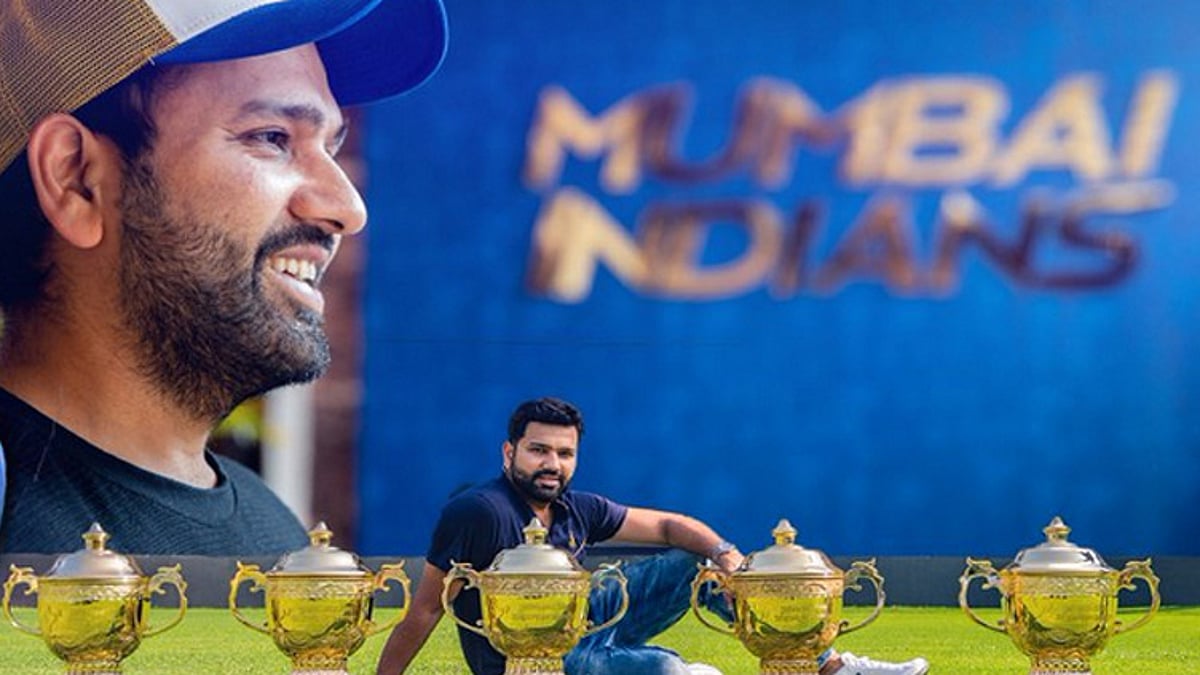
Rohit Sharma returns as a five-time champion. In the context of the IPL, that number is not just a statistic; it is a lineage. He has led Mumbai Indians to five IPL titles, a defining achievement of his leadership in the franchise's history. As he steps back onto the field, he carries the memory of those five titles like a mantle. The fanbase, which has seen the team fluctuate over the last few years, finds renewed enthusiasm in this return. The "Paltan" is not just a demographic; it is an identity. And now, that identity is being led by the man who forged it.
As the 20th edition of the IPL approaches, the stage is set for a narrative of redemption and renewal. Rohit Sharma is not just adding his name to a captaincy list; he is restoring the team's soul. The trade for Arshdeep Singh brings new firepower, and the captaincy brings new vision. The challenges will be formidable, but for the first time in three years, the direction is clear. The Paltan has its captain back, and the game is about to get interesting again.