At 6:54 AM on November 11, 2026, the tranquility of the early morning in Assam was shattered when the Kolkata-Siliguri Express (Train No. 13125) derailed near Tura station. The locomotive and seven coaches left the tracks in a sudden, jarring accident that immediately drew emergency responders to the scene. Initial reports from the field suggested multiple injuries, with some passengers in serious condition, creating a sense of urgency and concern among local residents and officials alike.
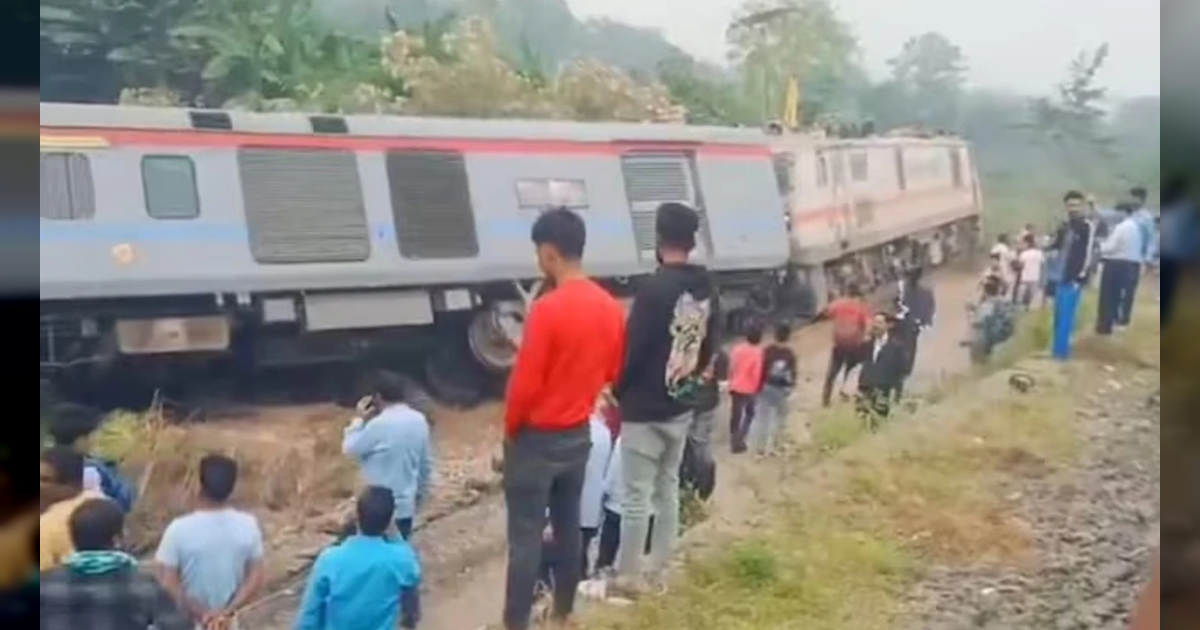
As rescue teams worked swiftly at the derailment site, railway authorities moved to address the public's concerns. In a formal statement, the Railway Administration clarified that despite the violent nature of the derailment, all passengers aboard the train were safe and had sustained no injuries. This announcement provided a measure of relief to anxious families awaiting news of their loved ones and demonstrated the effectiveness of the emergency response protocols that were immediately activated following the incident.

A train movement at Digaru railway station near Guwahati turned into a major derailment early Wednesday after the locomotive and five coaches of the Mizoram-bound Kolkata-Sairang Express went off the tracks while the train was being received at the station.The train was travelling to Sairang in Mizoram from Kolkata when the incident occurred. Read more 🔗https://t.co/b6ds2TSswv For the complete story, download the TOI App 👉 https://t.co/ogFaRsVinV #Assam #TrainDerailment #KolkataSairangExpress #Guwahati #Mizoram #IndianRailways
For the passengers aboard the Kolkata-Siliguri Express, the experience was undoubtedly terrifying. The sudden lurch as the train left its tracks would have thrown objects and people about the cabins, creating chaos in the confined space of the coaches. Railway officials quickly arranged for alternative transportation, ensuring that passengers could continue their journeys to their destinations with minimal disruption to their travel plans.
The immediate aftermath of the derailment showcased the coordinated response of emergency services.
Investigations into the cause of the derailment pointed to a straightforward but critical human error. The loco-pilot, responsible for operating the locomotive, failed to reduce speed as required when approaching a signal. This failure to heed a critical safety warning led to the train exceeding the safe speed limit for that section of track, ultimately resulting in the derailment. Such incidents highlight the unforgiving nature of railway operations, where split-second decisions can have dramatic consequences.

*Indian Railways* At around 06:54 hrs on 11.11.2026, while Train No. 13125 Kolkata - Sairang Express was being received at Digaru Railway Station in Assam to give precedence to another train, *the Loco Pilot could not control the speed,* resulting in aderailment, https://t.co/mNwH9gqq3M
The immediate aftermath of the derailment showcased the coordinated response of emergency services. Rescue teams reached the scene promptly, working to secure the area and assist passengers. Railway officials established a command post near the site to oversee the recovery operations and manage the logistics of getting passengers to their destinations. This systematic approach helped contain what could have been a much more serious incident and prevented further complications.
While the immediate cause has been identified as the loco-pilot's failure to reduce speed, a full investigation is likely to examine other contributing factors. Railway safety protocols, track maintenance records, and the specific conditions on the day of the incident will all come under scrutiny. Such investigations aim not only to determine responsibility but also to identify potential improvements in safety procedures to prevent similar occurrences in the future.

The Loco pilots perspective of th derailment of the 13126 Sairang-Kolkata Express near Digaru railway station in Assam's Kamrup. https://t.co/ekAOQQZ2CG
By the end of the day, arrangements had been completed to transfer all passengers to alternative trains, allowing them to continue their journeys. The Railway Administration continued to monitor the situation closely, working to restore normal service on the affected line as quickly as possible. For the passengers, the experience served as a stark reminder of the inherent risks of train travel, even as they expressed gratitude for their safe escape from what could have been a far more devastating accident.
