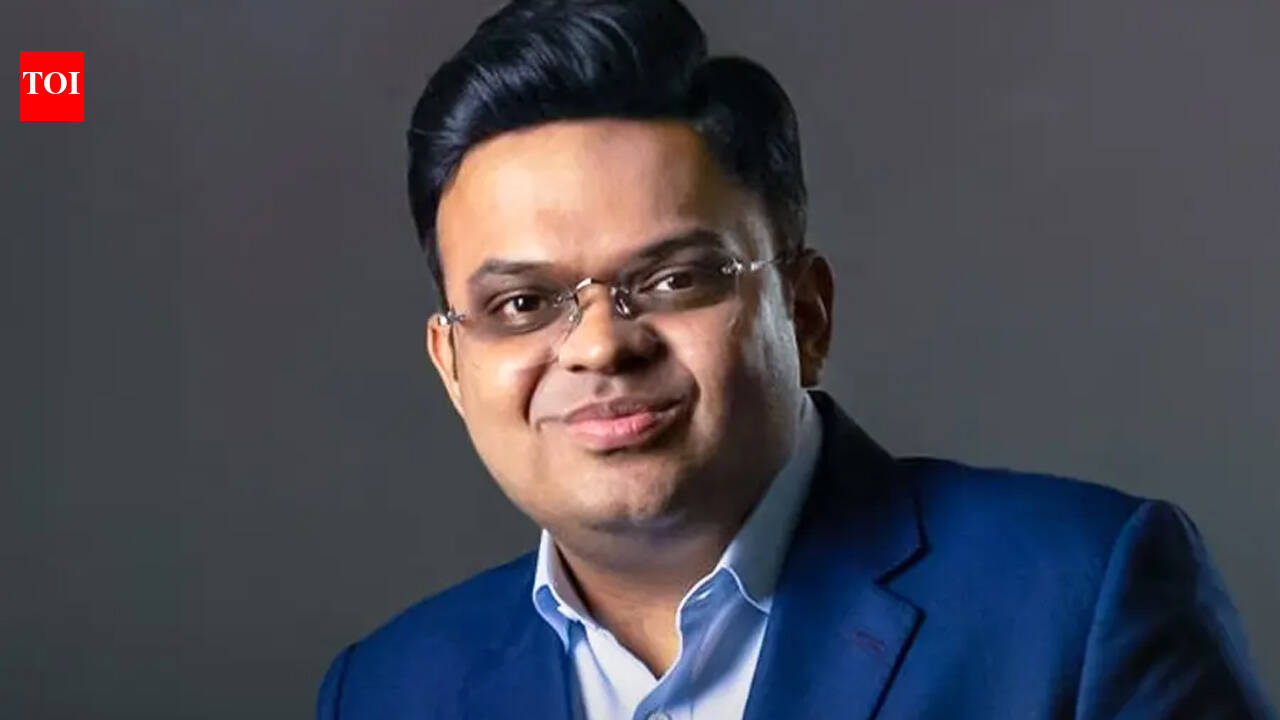
For a global audience that might view the International Cricket Council as a distant administrative body, the recent election of its chair is a moment that signals a shift in the sport's trajectory. Jay Shah, a name that has become synonymous with the modernization of cricket's highest governance, has secured a mandate to lead the institution through its most significant challenge yet: bringing the game back into the Olympic fold. The election was unopposed, a detail that underscores the stability of the leadership as it prepares for a historic reset.
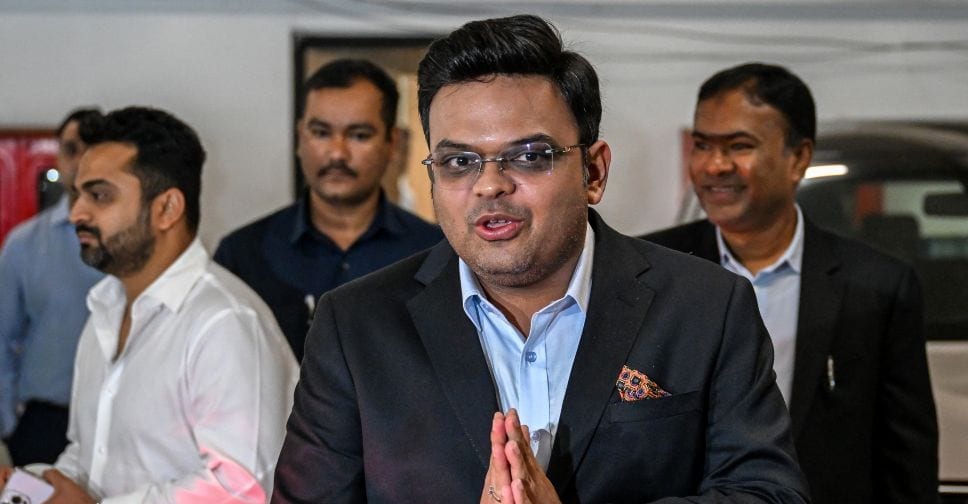
The appointment of Shah is not merely a procedural continuity but a strategic choice rooted in his recent track record. As the former secretary of the Board of Control for Cricket in India, Shah understands the immense administrative weight that the sport carries. He first assumed the role of ICC chair in 2024, a move that made history in the sport's governance circles. At the time, he was 35 years old, instantly establishing himself as the youngest chair to hold the position. That brief tenure has now set the stage for a new two-year term, a period that is expected to be far more transformative than the initial introduction.
The central pillar of this new term is no longer just about maintaining the status quo of Test matches or Twenty20 tournaments; it is about the Olympic Games. Cricket is set to feature at the Olympics in Los Angeles in 2028. This is not a new inclusion; it is a return to a place where the sport was last seen on the world's biggest multi-sport stage in 1900. The gap between those two dates—more than a century—highlights the magnitude of the opportunity and the risk of the undertaking.
For a sport that already commands billions of fans in South Asia, the appeal of the Olympics is its universal reach.
Shah has framed this return not as a nostalgic gesture, but as a fundamental growth strategy. In discussing the implications of the Los Angeles 2028 Games, he described the Olympic inclusion as a major opportunity to reach new audiences. For a sport that already commands billions of fans in South Asia, the appeal of the Olympics is its universal reach. It offers a platform where the nuances of the game can be introduced to markets that may have previously seen cricket only as a distant spectacle, rather than a central feature of their sporting culture.
The leadership surrounding Shah carries specific cultural and political weight that observers in the region are keen to note. Jay Shah is the son of India's Home Minister, Amit Shah. While the election itself was conducted on the basis of the ICC's internal protocols, the familial connection places Jay Shah at the intersection of global sports administration and one of the world's most powerful political families. This relationship adds a layer of scrutiny to his tenure, as the governance of international cricket is often viewed through the lens of national interests, particularly those of its largest market.
As the new term begins, the focus shifts from the boardroom to the field of the Olympic program. The decision to bring cricket back to the Games in 2028 is a gamble by the International Olympic Committee to tap into the sport's massive demographic following. For the ICC, under Shah's stewardship, this represents a chance to inspire a new generation of players and fans who will grow up watching the sport under the Olympic rings. The goal is to move beyond the traditional borders of cricket's powerhouses and into the global consciousness.
The logistical and administrative challenges of such a transition are considerable. The ICC must now work in tandem with the Olympic organization to ensure that the format of the game, the selection of teams, and the scheduling align with the Olympic framework. Shah’s two-year term is specifically designed to oversee this exact phase of the process. He is the figure responsible for ensuring that the sport’s return is not just a token appearance, but a credible and competitive inclusion that honors the history of the game while projecting it into a new century.
Ultimately, this re-election sets the tone for the next few years in global cricket. By returning to the helm, Shah has signaled that the organization is ready to embrace the uncertainty and the excitement of the Olympic experiment. The sport is about to enter a new era, one where the stakes are not just for national titles, but for a place on the most watched sporting stage on Earth.