
In the corridors of Brussels, where the future of a continent is often decided through the dry language of fiscal frameworks and budgetary allocations, a different kind of conflict has erupted. It is not merely a debate over numbers, but a visceral struggle for political legitimacy. At the center of this storm are two figures who represent the diverging paths of the French Republic: President Emmanuel Macron and Marine Le Pen.
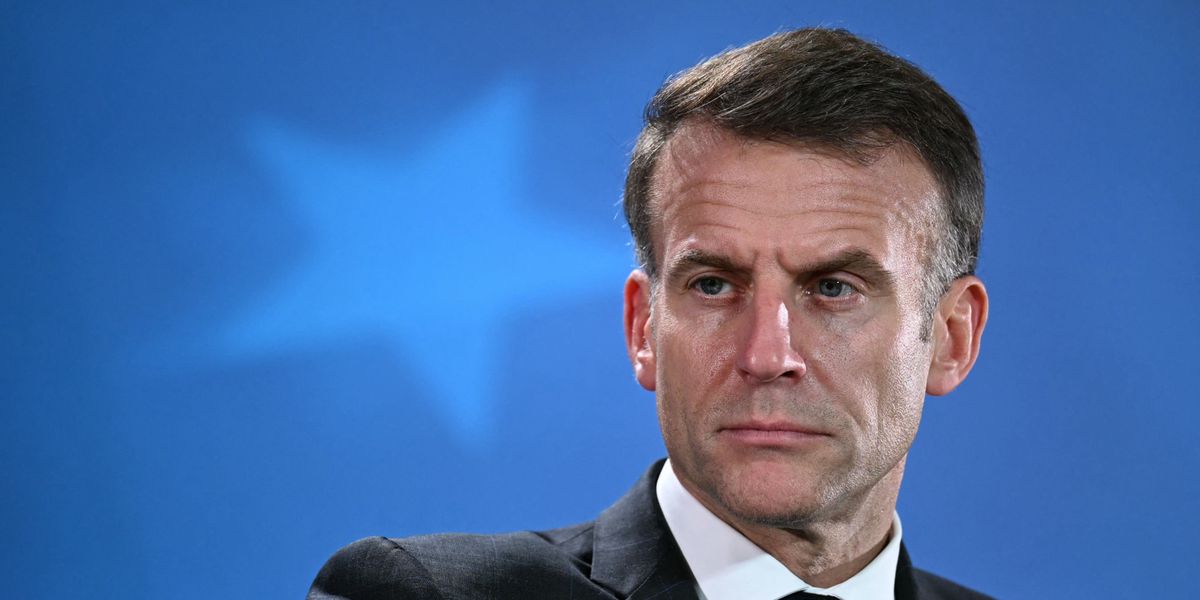
Speaking from Brussels during the intense discussions regarding the European Union's next budget, President Macron did not mince words. He leveled a sharp critique at Le Pen, describing her posture as a "strange arrogance." For Macron, the issue is one of timing and respect for the democratic process. He accused Le Pen of acting as though she were already in charge of France's destiny, attempting to bind the nation to a seven-year financial framework before the results of the 2027 presidential election are even known.
Le Pen, however, was quick to strike back. Rather than retreating, she framed the President's attempt to secure a long-term agreement as a series of "low political maneuvers." To her, the rush to lock in the EU budget is an attempt to "prevent the democratic expression of the French people," effectively trying to tie the hands of whatever administration follows Macron in 2027.
EU leaders are working against a ticking clock, hoping to reach an agreement by the December 17 summit or, at the latest, by the December 31 deadline.
To understand why this verbal sparring carries such weight, one must look at the sheer scale of the figures on the table. The EU is currently navigating the complexities of its multiannual financial framework (MFF), a massive spending plan that dictates how hundreds of billions of euros will be allocated toward European priorities through 2034.
The negotiations began with an initial budget proposal estimated at 2 trillion euros. However, the reality of fiscal constraints has forced a significant retreat; the latest version of the proposal includes more than 200 billion euros in cuts. This shrinking pie has turned every negotiation into a zero-sum game, where the reduction of one fund necessitates the sacrifice of another.
For the European Union, the 2027 French presidential election is not just a domestic affair; it is a looming structural risk. If Le Pen's party wins, the landscape of European cooperation could shift overnight. She has made explicit promises regarding what a victory would mean for France's role in the bloc: she has pledged to significantly reduce France's financial contribution to the EU and to cease aid to Ukraine within six months of taking office.
This possibility has injected a sense of urgency into the current negotiations. EU leaders are working against a ticking clock, hoping to reach an agreement by the December 17 summit or, at the latest, by the December 31 deadline. The goal is to finalize the framework before the political volatility of upcoming elections in France, Italy, and Poland can derail the process.

Macron’s defense of the budget is rooted in a broader vision of global competition. He has warned that cutting funding for competitiveness is a strategic error—one that risks leaving the European Union trailing behind the economic might of China and the United States. For the President, the budget is a tool for survival in a changing world order.
Yet, this vision faces resistance from within the very sectors the budget is meant to support. In Brussels, the tension was palpable as hundreds of farmers gathered to protest. They are demanding that the Common Agricultural Policy (CAP) remain unfunded by any new cuts. José María Castilla, a leader for Spanish farmers, made the sentiment clear, stating that there would be "no cuts in the CAP."
As the December 17 summit approaches, the atmosphere in Brussels remains fraught. The leaders are striving for a consensus that can withstand the political shifts of the next decade, but the divide between the current administration's pro-EU stance and the opposition's isolationist promises remains vast.
If the leaders fail to reach an agreement by the December 31 deadline, the timeline for European stability becomes even more uncertain. Macron has noted that "if there is no agreement by December 31," the discussions will not simply vanish; instead, they will be forced to resume in the second half of the year, following the election of the next French president. For now, the continent waits to see if it can secure its future before the political winds of 2027 change everything.