
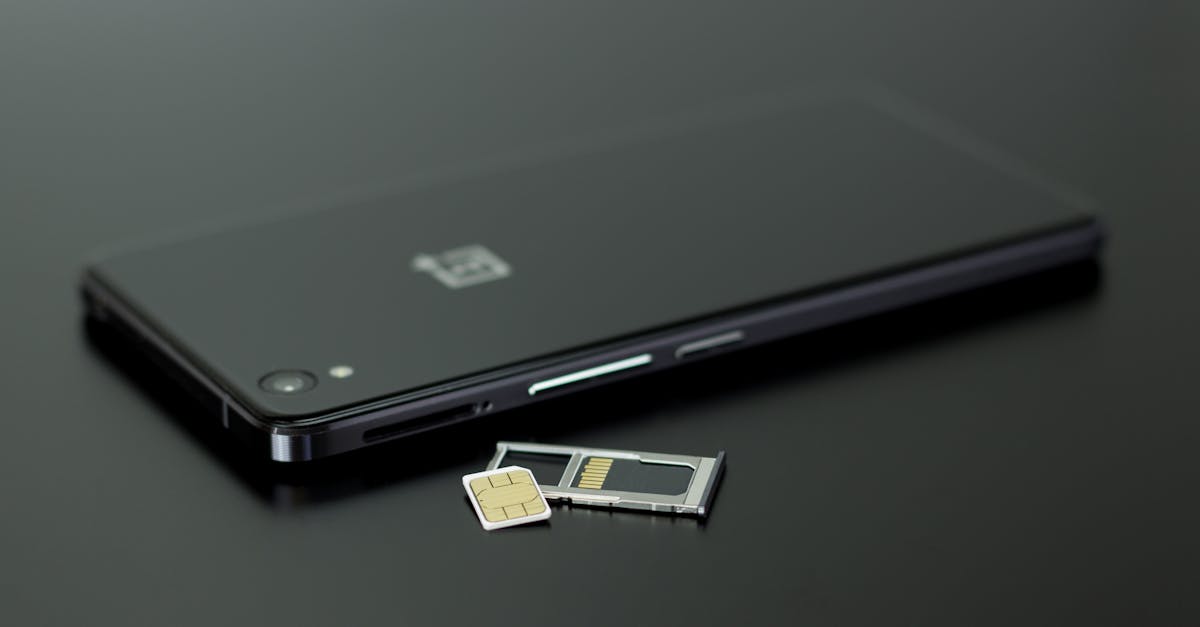
For travelers, the logistics of staying online have long been a patchwork of SIM cards, data plans, and unexpected charges. The physical SIM, once the only gateway to a local network, has begun to feel like a relic of a less seamless era.
That scale means any change to how the app handles connectivity has the potential to ripple far beyond a single market.
On 2024-05-23, WhatsApp unveiled plans to integrate international travel eSIM purchasing directly into its application. The goal is straightforward: let a traveler activate a data plan with just a few taps, keep their existing phone number, and sidestep the cost and inconvenience of physical cards or traditional roaming. The company framed the move as a step toward making the service "seamless for global travelers," positioning the feature as an extension of the chat experience rather than a separate utility.
” The quote captures the ambition behind the eSIM feature – not just to move data, but to remove the friction that has long accompanied crossing borders.
To bring the capability to life, WhatsApp is working with a roster of telecom partners that includes Jio, Verizon, Smart Axiata, and Smart Communications. The rollout is slated for select countries in the near term, though specific pricing and launch locations remain under wraps.
Kunal Shah, head of WhatsApp, posed a question that cuts to the heart of the announcement: “What if WhatsApp could work anywhere you go in the world without any struggle?” The quote captures the ambition behind the eSIM feature – not just to move data, but to remove the friction that has long accompanied crossing borders. It also hints at a broader vision where the app becomes a truly universal conduit for communication, regardless of geography.
The corporate announcement put it this way: “We're announcing a new way to buy and install a data e-SIM when travelling internationally in just a few taps without leaving the app.” The language emphasizes simplicity – a user browsing a chat could, in theory, select a data plan, complete payment, and have the eSIM provisioned instantly. By keeping the entire process within WhatsApp, the company aims to eliminate the need to switch between apps, visit carrier websites, or fiddle with physical card slots.
As the feature moves toward a broader release, the immediate picture is one of anticipation without full disclosure. Pricing, exact launch markets, and the step‑by‑step user flow are still being calibrated. Yet the direction is clear: WhatsApp is betting that integrating eSIM commerce into its massive, already‑global user base will redefine how travelers stay connected, turning a once‑cumbersome ritual into a tap‑away convenience. Where the service lands first and how quickly it scales will likely depend on partner negotiations and regulatory landscapes, but the announcement signals that the era of the physical SIM card may be drawing to a close – at least for those who call WhatsApp home.
