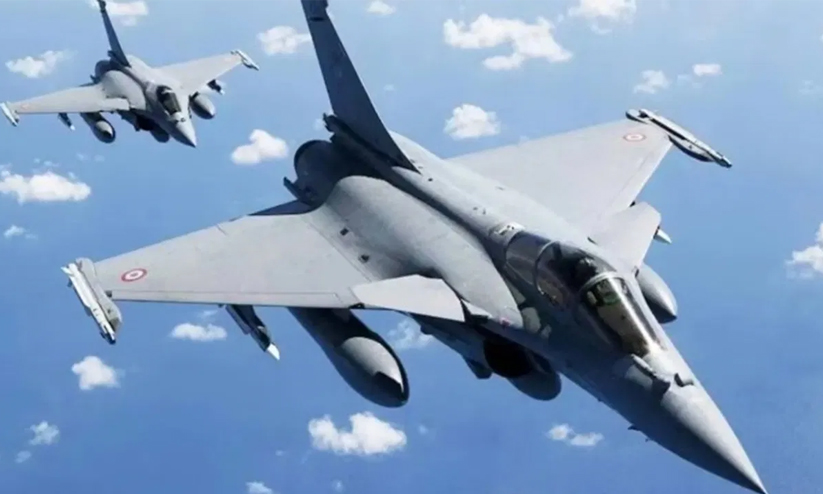
The skies above South Asia have long been a theater of tension between nuclear-armed neighbors India and Pakistan. Now, a new report from British aviation publication FlightGlobal has revealed a potentially significant development in the military balance of power. According to the 2027 World Air Forces Directory, the Indian Air Force's fleet of advanced Rafale fighter jets has decreased to 32 operational aircraft. This figure represents a notable reduction from the 36 Rafales that India originally acquired from France in a landmark defense deal.
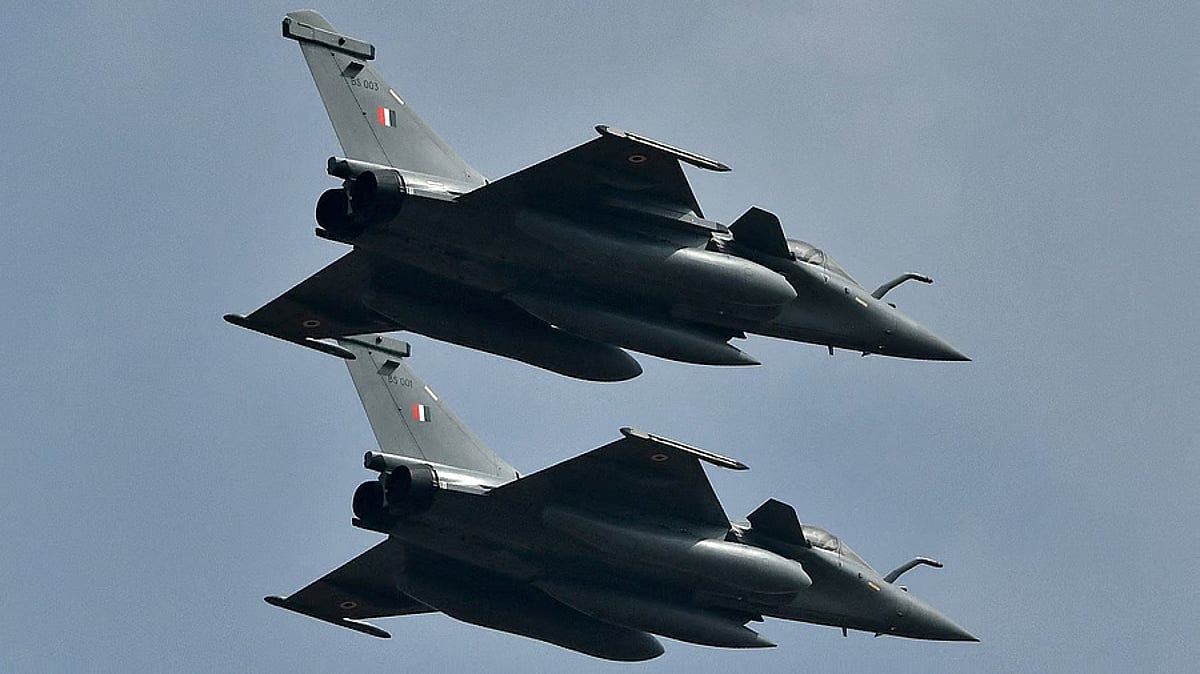
The directory, published on November 20, 2026, presents a stark picture: while India purchased 36 Rafales from France, only 32 are currently listed as active. The discrepancy of four aircraft has naturally sparked speculation about their whereabouts. The report, which draws on military data from aviation intelligence firm Cirium, doesn't explicitly state what happened to the missing jets, though it notes that such reductions can result from accidents, technical failures, or combat losses.

So did Pakistan shoot down 3 Rafales during operation Sindoor as they had claimed & we had denied?
The timing of this report is particularly significant. It was released 18 months after Operation Sindoor, a military operation in May 2025 during which Pakistan claimed to have shot down Indian warplanes during aerial clashes between the two nations. The reduction in Rafale numbers follows a previous directory listing that showed 35 active jets in 2026, meaning the fleet has decreased by three aircraft in the most recent reporting period.
Aviation directories like FlightGlobal's World Air Forces publication serve as important references for defense analysts and military enthusiasts worldwide.
The Indian Ministry of Defense has expressed skepticism about the figures presented in FlightGlobal's directory. In a statement, the ministry noted that the information was not provided directly by them, suggesting the data may not reflect the true operational status of their Rafale fleet. This official skepticism highlights the complex nature of military transparency and the challenges that external observers face in accurately assessing a nation's military capabilities.
Aviation directories like FlightGlobal's World Air Forces publication serve as important references for defense analysts and military enthusiasts worldwide. Cirium, the firm that provided the military data for this report, tracks global military capabilities by reviewing publications, media articles, press releases, and government sources. While these directories are valuable resources, experts caution that the numbers can fluctuate due to maintenance schedules, repairs, or changes in operational status rather than indicating confirmed combat losses.
The revelation of a reduced Rafale fleet comes at a time of continued tension between India and Pakistan. Both nations have invested heavily in modernizing their air forces, with India's Rafale acquisition representing a significant enhancement of its combat capabilities. The potential loss of even a few of these advanced jets could impact the regional military balance, particularly in the context of the ongoing aerial competition between the two countries.

Pakistan's Foreign Minister says that until India restores the Indus water flow, Pakistan will not improve relations with India. He added that the changes made by the Indian government to Jammu and Kashmir's special status on August 5, 2019, are unacceptable. https://t.co/jipcNyxDcn
As of the latest directory publication, India operates 32 of its 36 Rafale jets. The remaining four aircraft could be undergoing maintenance, upgrades, or repairs that temporarily place them out of active service. Alternatively, if they were indeed lost during combat operations, their absence would represent a significant development in the ongoing military competition between India and Pakistan. The Indian Air Force has not provided specific details about the status of these aircraft, leaving analysts and observers to interpret the implications of the directory's figures in the context of regional security dynamics.