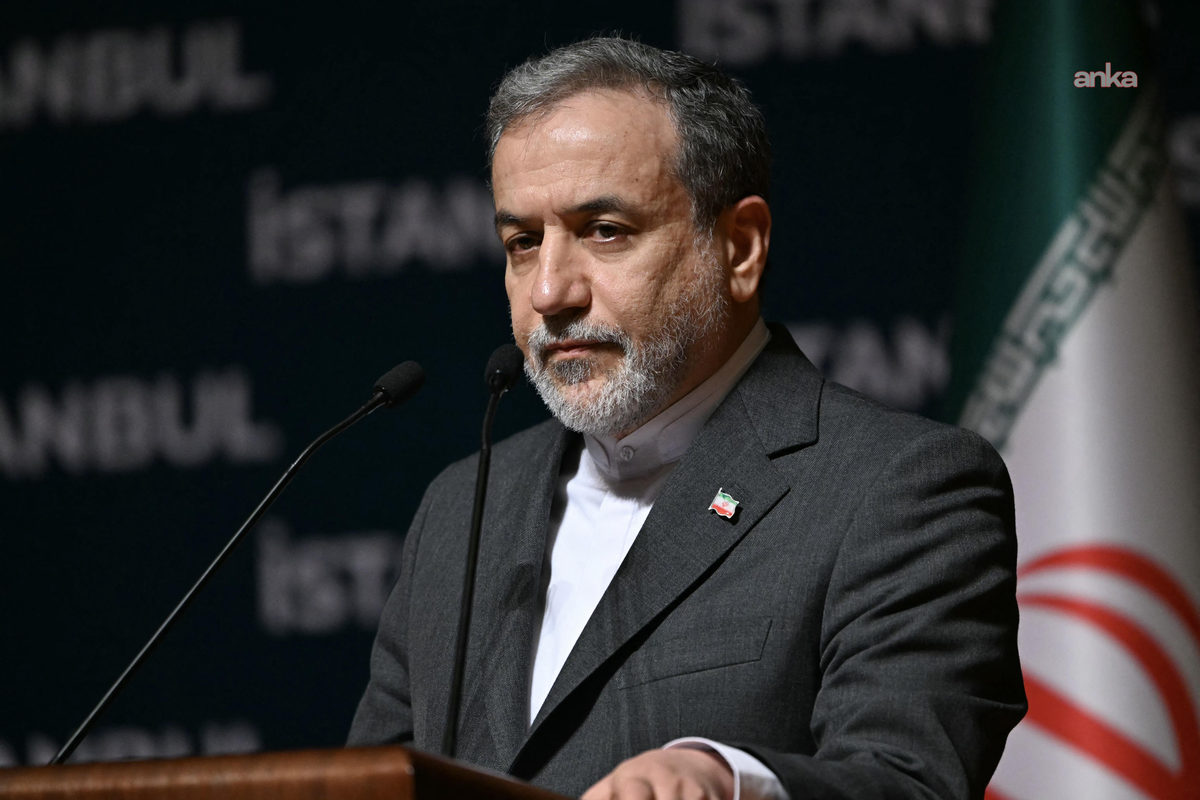
The political winds in Washington often blow with a lag, but in the aftermath of the recent United States election, the diplomatic response from Tehran did not. On November 8, 2026, Seyed Abbas Araghchi, the Foreign Minister of the Islamic Republic of Iran, took to social media to address the shifting tides of American power. His message was not one of cautious diplomacy or open-ended dialogue. Instead, it was a sharp, declarative pivot that placed the burden of the next move squarely on the shoulders of the new American administration. Araghchi acknowledged the democratic process by which the American public had selected their leader, a concession that served as a precursor to the hardline stance that followed. By explicitly naming the White House, he signaled that the era of dealing with a specific past administration was over; the new occupant of the Oval Office now holds the pen on the next chapter of the conflict.

At the heart of Araghchi’s address was a specific, time-bound initiative that Tehran has kept in active circulation. The Foreign Minister stated that this proposal remains valid and available for immediate negotiation. The core demand within this two-day framework is unambiguous: the cessation of hostilities on all fronts. For Tehran, peace is not a gradual process of disarmament or a multi-year truce; it is a binary switch. Washington must stop military actions across the board to "see the positive results" of the proposal. This framing strips away the nuance usually found in diplomatic communiqués, replacing it with a transactional logic: stop the fighting now, and the benefits of peace will follow.
The alternative to accepting the two-day proposal is not silence or a return to the status quo. Araghchi issued a stern warning that carries the weight of a military threat. He told the American public and the incoming White House leadership that if they opt for continued war, they will witness the "hell of fire" unleashed upon them. The rhetoric is visceral, referencing "vigilant and trained combatants" who are already on the battlefield. By describing the fighters as alert and experienced, Araghchi is countering any American assumption that the military environment has cooled or that Iran’s forces are depleted.
Many observers and citizens were expressing frustration and suspicion about a coordinated conflict involving the United States, Israel, and Iran.
The diplomatic messaging from Tehran did not occur in a vacuum. As Araghchi’s statement hit the social media feed, user comments on the breaking news reports were already filled with speculation. Many observers and citizens were expressing frustration and suspicion about a coordinated conflict involving the United States, Israel, and Iran. These grassroots narratives suggest that the public in the region views the crisis not as a bilateral issue, but as part of a larger, interconnected web of regional hostilities.
While Iran is calling for a halt to the fighting, the physical reality on the ground is shifting toward increased containment. US forces are reportedly planning to create a specific operational group dedicated to blocking land routes into Iran. This move is designed to interdict the transport of weapons and illegal goods, effectively tightening the noose around the country’s logistical capabilities. This operational goal stands in direct tension with Araghchi’s call for a ceasefire.
The message from the Iranian Foreign Minister is fundamentally about shifting responsibility. By stating that American voters made their choice, Araghchi absolved the previous electorate of the blame for the current military situation. Now, the choice belongs to the White House. There is no middle ground presented. The two-day proposal offers a path to cessation of hostilities, but it requires immediate action. If the new administration ignores this specific window, Tehran claims the result will be the "hell of fire" raining down from alert warriors. The diplomatic clock is ticking, but it is not counting toward a treaty signing; it is counting toward a binary decision. For the newcomer to this conflict, the key takeaway is that Tehran is no longer waiting for negotiations to conclude; they are demanding a verdict. The United States is being asked to choose between a specific, time-bound peace offer and a continuation of war that Iran promises will be met with overwhelming, trained fire.