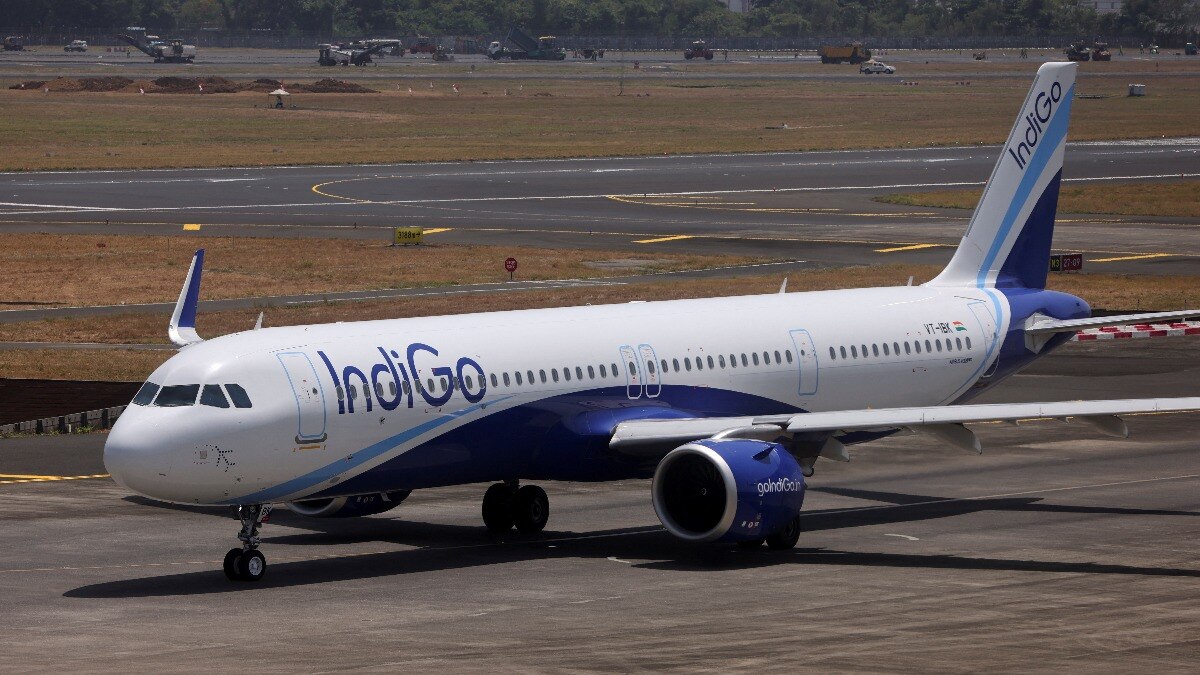
Few moments in commercial aviation are as acutely calibrated as the takeoff roll. An aircraft gathers speed down the centerline, its engines accelerating toward the critical velocity where flight becomes inevitable and stopping is no longer an option. On a Monday evening at Mangaluru International Airport, that delicate sequence was broken. As an IndiGo passenger jet prepared to depart for Bengaluru, an engine problem appeared while the aircraft was still on the runway. The pilot initiated an immediate emergency stop, arresting the plane's momentum and averting what could have been a serious disaster.
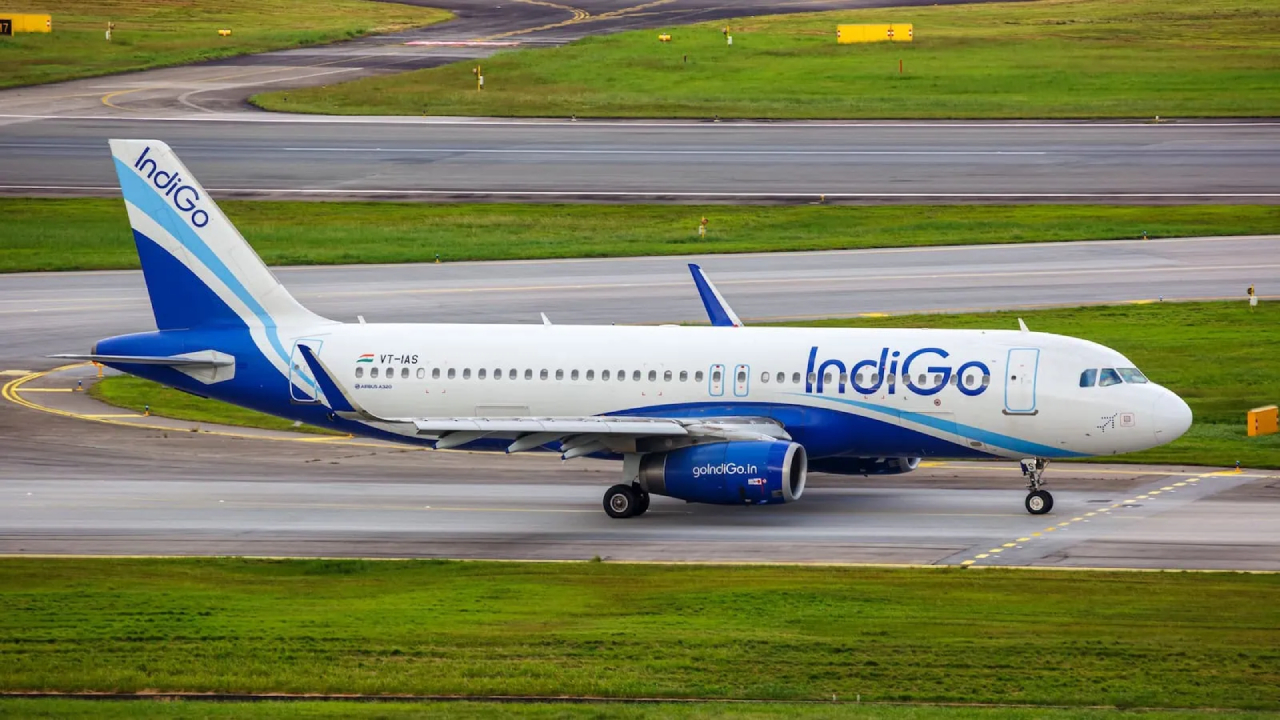
There were 236 people aboard—229 passengers and seven crew members—each suddenly thrust into the jarring reality of an aborted takeoff. For the flight crew, executing an emergency abort on an active runway requires instantaneous judgment, overriding the standard trajectory to bring tens of tons of metal and fuel to a controlled halt before running out of tarmac. Once the aircraft decelerated safely, the immediate threat receded, giving way to the grinding administrative and safety protocols that govern modern air travel.
The aircraft vacated the active runway and rolled back toward the terminal area, returning to its bay at around 6:05 pm. In the immediate aftermath of an emergency halt, an airliner cannot simply be cleared for a second attempt. An engine malfunction during the high-stress environment of a takeoff roll demands a rigorous engineering assessment before the machine can ever be considered airworthy again.
For passengers stranded in Mangaluru, the evening deteriorated into an exercise in waiting.
Once the plane reached the bay, IndiGo’s engineering team stepped in to conduct a comprehensive technical inspection. The assessment quickly confirmed that the aircraft was in no condition to resume service. Airline officials placed the jet under Aircraft on Ground status, a formal aviation classification indicating that a serious technical issue prevents the plane from flying until required repairs are completed and certified. With the aircraft officially grounded, all 229 passengers and seven crew members were safely deboarded into the terminal, their travel plans abruptly suspended.
The disruption at Mangaluru took on broader resonance because it involved a technical failure during takeoff. IndiGo flights at Mangaluru International Airport experienced technical failures, following similar incidents in Karnataka that raised concerns among passengers about operational safety.
For passengers stranded in Mangaluru, the evening deteriorated into an exercise in waiting. When an aircraft is grounded at an outstation, airlines must scramble to orchestrate alternative logistics. IndiGo opted to arrange a relief flight from Bengaluru to pick up the stranded travelers and ferry them to their original destination. Coordinating a replacement plane, securing slots, and positioning replacement crew inevitably takes time, turning what was supposed to be a short domestic hop into an hours-long ordeal.

IndiGo Delhi-Mangaluru flight delayed 3 hours after technical snag during taxiing https://t.co/lv1yaK0tvq 📲 For News on the go, Download HT app. Click https://t.co/UY76F4VRH8
By the time the relief flight was ready to depart, it was 12:10 am on Tuesday. More than six hours had elapsed since the original flight had taxied back to the bay. That extensive gap revealed a familiar dynamic in travel disruptions: given a protracted delay, many travelers simply give up on waiting.
Of the 229 passengers who had been deplaned from the original flight hours earlier, only 34 chose to board the replacement aircraft to Bengaluru in the middle of the night. The vast majority made alternative arrangements, abandoned their journeys, or deferred their travel, unwilling or unable to wait out the midnight replacement. While the airline met its operational duty by mobilizing an alternative aircraft, the thin manifest on the relief leg illustrated the steep friction that technical groundings impose on passengers.
As the relief flight finally carried its handful of passengers into the night, the grounded aircraft remained behind for further scrutiny. The exact nature of the engine failure that prompted the pilot's emergency stop remains the subject of ongoing technical investigations. In aviation safety, every aborted takeoff yields valuable telemetry, offering engineers and regulators precise diagnostic data on how mechanical subsystems behave under stress.
For the 236 people who sat through the sudden braking on the Mangaluru tarmac, the pilot's swift intervention ensured that a critical technical malfunction ended in delay rather than tragedy. Yet with formal inquiries still working to establish precisely what failed inside the engine, the incident underscores the razor-thin margin separating routine departures from high-stakes operational emergencies.

A Bengaluru-bound IndiGo flight aborted taking off from the Mangaluru airport on Monday evening. The reason behind the move is currently under probe. The aircraft, carrying 236 people, including seven crew members, returned to the bay at around 6.05 pm, following which the airline's engineering team conducted a detailed technical inspection. The aircraft was later declared Aircraft on Ground (AOG), following which all 229 passengers were deboarded. Read More: https://t.co/g0FHlMg5Yx #Bengaluru #Mengaluru #aircraft @sagayrajp @nagarjund