
For the better part of a decade, the Mumbai Indians were synonymous with dominance in the Indian Premier League. Under the steady hand of Rohit Sharma, the team secured five championship titles, establishing a culture of excellence that became the envy of the league. Yet, the landscape of professional sports is rarely static. Following a period of transition, the team found itself mired in a difficult cycle, finishing at the bottom of the league standings for three consecutive seasons. This prolonged period of struggle prompted a period of intense soul-searching within the organization, as the franchise grappled with a decline that seemed to erode the very identity it had spent years constructing.
During this turbulent stretch, the leadership mantle was held by Hardik Pandya. His three-year tenure, however, coincided with the team’s most difficult chapter in recent memory. As the losses mounted, the pressure on the franchise to pivot became unavoidable. The front office, led by owner Akash Ambani, recognized that the team needed more than just a tactical shift; it required a restoration of its foundational values. This realization set the stage for a dramatic restructuring of the roster, headlined by the decision to trade Hardik Pandya to the Punjab Kings. In a move aimed at bolstering the team’s defensive capabilities, the franchise acquired the fast bowler Arshdeep Singh, signaling a clear intent to rebuild from the ground up.
On November 28, 2026, the conversation that would define the team’s future took place. Akash Ambani reached out to Rohit Sharma, initiating a candid discussion regarding the team’s trajectory and the void in leadership. Rohit Sharma found the prospect of returning to the helm was not an immediate "yes." Having led the team for ten years, he was acutely aware of the mental toll that comes with the captaincy, particularly after witnessing the team’s recent struggles from the sidelines. However, the dialogue with Ambani shifted his perspective, moving from a question of personal readiness to one of institutional necessity.
However, the dialogue with Ambani shifted his perspective, moving from a question of personal readiness to one of institutional necessity.
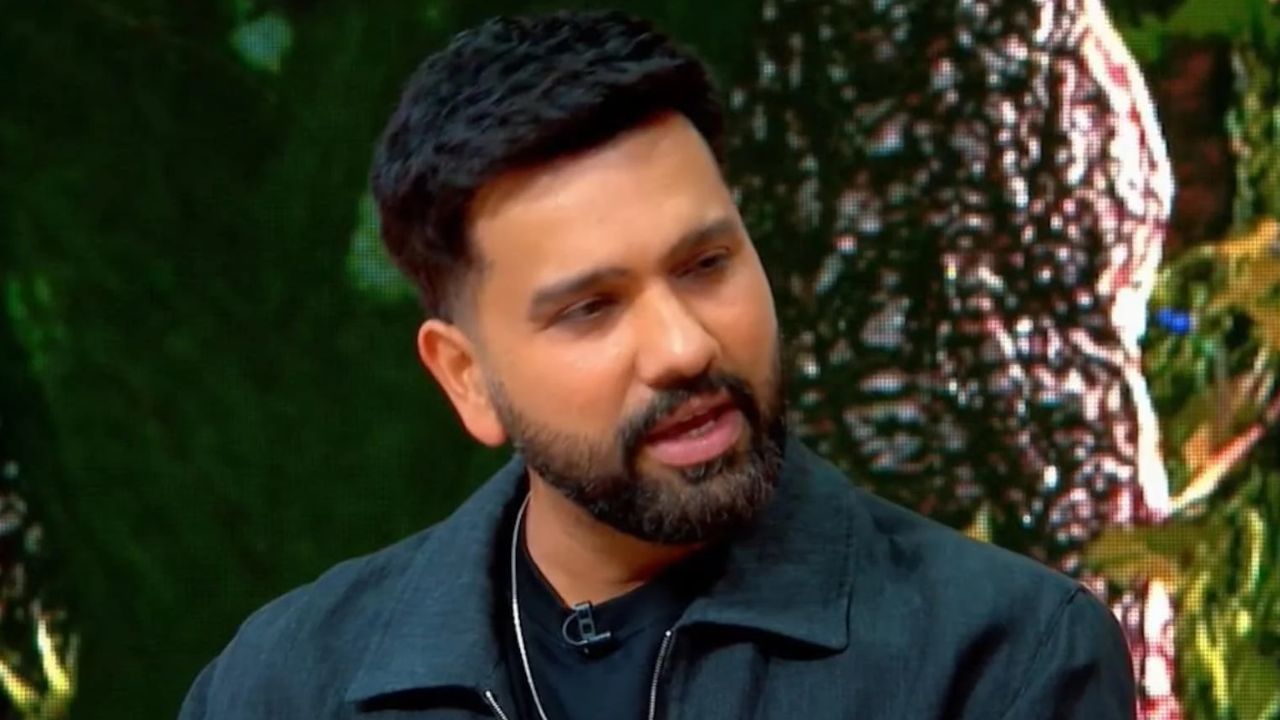
Reflecting on the decision, Sharma acknowledged his initial hesitation. The prospect of stepping back into the fire after such a difficult period was daunting. Yet, as he considered the state of the franchise, his sense of duty took precedence. "I realized that this is the same team that I built myself," he remarked, highlighting the deep emotional connection he maintains with the organization. He recognized that the team required a specific type of guidance—a steady hand to navigate the rebuilding process—that only someone with his long-standing history could provide. Ultimately, he concluded, "I felt it was time for me to accept that challenge again."
Following the official announcement on November 27, 2026, the path forward became clear. By January 1, 2027, the transition was formalized, with Sharma officially appointed as captain for the upcoming 2027 IPL season. The move is widely viewed as a return to stability for a franchise that had lost its way. While the challenges of the previous three years remain a painful memory for the players and the fanbase alike, the return of a proven leader has injected a sense of purpose into the locker room. The goal is no longer just to compete, but to restore the Mumbai Indians to the standard of excellence that once made them the most feared team in the league. As the team prepares for the new season, the focus remains on the long-term project of rebuilding, with Sharma tasked with bridging the gap between the franchise’s storied past and its uncertain future.