On November 14, 2026, the United States aviation system came to an unexpected halt. The Federal Aviation Administration (FAA) issued a nationwide ground stop, suspending all departures from US airports due to what officials described as emergency circumstances and safety concerns. The restrictions, implemented at 15:53 ET, were expected to last until approximately 23:00-23:30 ET, though international arrivals would be handled on a case-by-case basis. The sudden freeze on air travel sent shockwaves through the transportation network, leaving thousands of passengers stranded and questioning the resilience of the nation's critical infrastructure.
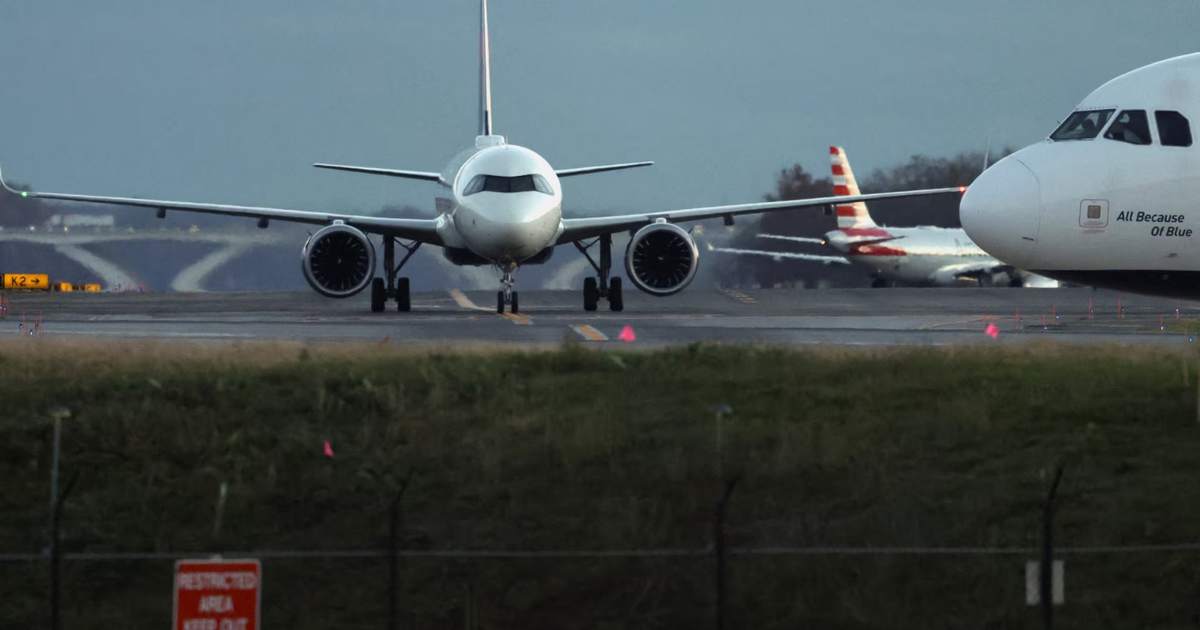
The impact of the FAA's emergency measure was immediately apparent and staggering. Flight data reviewed by RIA Novosti revealed that by 19:25 ET, more than 4,100 flights within the United States and on international routes had been cancelled. The chaos extended further, with over 10,000 additional flights experiencing significant delays. Aviation analytics firm Cirium estimated that the flight ban affected more than 1.5 million passengers, transforming airports across the country into scenes of confusion and frustration as travelers faced indefinite waits and uncertain rescheduling possibilities.
In the immediate aftermath of the system failure, the FAA characterized the situation as stemming from a communication outage. While the agency emphasized the safety-first approach that necessitated the nationwide suspension of departures, it provided little detail about the root cause of the technical malfunction. The emergency measure, while disruptive, was presented as a necessary precaution to ensure the safety of air travel during a period of critical system vulnerability.
The emergency measure, while disruptive, was presented as a necessary precaution to ensure the safety of air travel during a period of critical system vulnerability.
This interpretation pointed to more systemic, long-term challenges within the nation's technological infrastructure.

Pete Buttigieg rejected claims that the Biden administration left the FAA unprepared for Friday’s nationwide ground stop. “We did a lot to upgrade the system,” he said, urging officials to focus on answers, not politics. Read more: https://t.co/ITDaTguTZo https://t.co/EqNoFep7bF
His support for the infrastructure explanation suggested a narrative forming around the incident that might influence future discussions about funding and modernizing critical systems.
This international perspective suggested that the FAA's technical issues were viewed as an isolated domestic concern rather than part of a broader global pattern of systemic failures or attacks on aviation infrastructure.

FAA nationwide ground stop live updates: Trump admin asks Congress to fund ‘state-of-the-art’ air traffic control system https://t.co/IwE8W5UysM
Beyond the statistics and political interpretations, the human impact of the aviation disruption was profound. Travelers faced hours of uncertainty as airports struggled to accommodate the sudden influx of stranded passengers. Families separated by distance found themselves unable to reunite, business travelers missed critical meetings, and international visitors found their carefully planned itineraries thrown into disarray. The scale of the disruption underscored the delicate balance upon which modern air travel depends and the cascading effects that technical failures can have on interconnected systems.
As the restrictions began to lift and normal operations slowly resumed, questions lingered about the true nature of the system failure and what steps would be taken to prevent similar incidents in the future. The FAA's characterization of the event as a communication outage left many industry experts and travelers wondering whether the underlying issues had been fully addressed or merely temporarily circumvented. The incident highlighted the vulnerability of critical infrastructure to technical failures, regardless of their origin, and raised broader questions about investment in modernization and redundancy.
In the immediate aftermath of the disruption, the focus remained on restoring normal operations and assisting affected passengers. However, the incident was likely to spark renewed debate about the state of America's aviation infrastructure and the need for significant investment to ensure system reliability. Whether viewed through the lens of aging infrastructure or potential security threats, the FAA's ground stop served as a stark reminder of the challenges facing the nation's critical systems in an increasingly complex technological landscape.