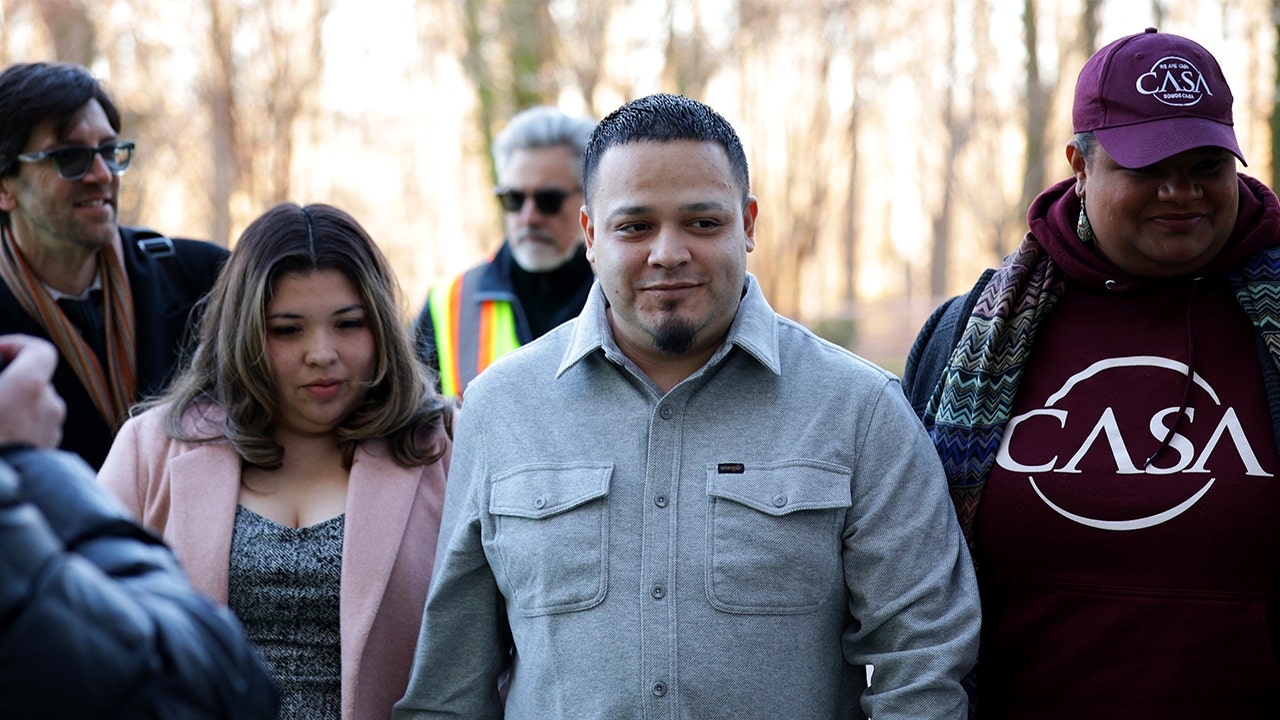
Kilmar Ábrego García is preparing for a flight, but not one he anticipated. He isn’t being expelled this time. Instead, he is voluntarily traveling to Spain, a resolution to a years‑long ordeal that began with a deportation he maintains was a profound error. Ábrego, originally from El Salvador, found himself at the center of a controversy surrounding U.S. immigration policy during the Donald Trump administration. The core of the issue? He was deported in 2025 based on the mistaken belief that he was affiliated with a gang.

Deportation proceedings, even when based on flawed information, can quickly become irreversible. Once removed, returning to the United States legally is incredibly difficult, often requiring years of legal battles and facing significant hurdles. The United States, as a nation of immigrants, has a long and often fraught history with immigration policy, and the Trump administration’s approach was marked by increased enforcement and a focus on removing individuals perceived as threats to public safety.
The story, however, isn’t solely about a bureaucratic misstep. Intertwined with the deportation is a history of domestic‑violence allegations. Ábrego’s wife, Jennifer Vasquez Sura, accused him of domestic violence in 2020 and 2021. Those criminal charges were ultimately dismissed. While serious, the accusations did not result in convictions and have been a point of contention in discussions of his case. It’s a reminder that immigration cases are rarely simple; they often involve personal histories and legal proceedings that are deeply layered and emotionally charged.
Spain, as a European nation with its own immigration policies, becomes the destination for a new chapter.
Despite the deportation, Ábrego managed to return to the United States. The specifics of that return are not fully detailed, but the situation created a complicated legal scenario. Facing continued uncertainty, he reached an agreement with U.S. authorities. Rather than fight further legal battles, he agreed to voluntarily depart the country and establish residency in Spain. This agreement, while perhaps not ideal, offered a path forward, resolving his immediate legal status and allowing him to avoid forced deportation. Spain, as a European nation with its own immigration policies, becomes the destination for a new chapter.
The case also highlights the importance of political advocacy in immigration matters. Senator Chris Van Hollen played a role in pushing for a resolution. While the exact nature of his involvement isn’t detailed, his engagement suggests a broader effort to address what many see as injustices within the immigration system. Advocates often work to bring attention to individual cases like Ábrego’s, hoping to leverage public pressure and political influence to achieve a favorable outcome.
Ábrego’s journey to Spain represents a significant turning point. He is now preparing to settle in the country, leaving behind the legal battles and uncertainty that have defined recent years. The move allows him to avoid the prospect of forced deportation, a fate that looms over many undocumented individuals in the United States. While the circumstances are far from ideal—a life uprooted and a new start in a foreign country—it offers a degree of stability and the opportunity to rebuild.
This case isn’t isolated. It’s part of a larger pattern of immigration enforcement actions that have been criticized for their lack of due process and potential for error. The consequences of these policies are far‑reaching, impacting not only the individuals directly affected but also their families and communities.

Currently, Kilmar Ábrego García is en route to Spain. His case, born from an administrative error and complicated by domestic‑violence allegations, has reached a resolution. While the details of his life in Spain remain to be seen, his departure marks the end of a fraught chapter and underscores the complexities and potential pitfalls of the U.S. immigration system. The broader implications of his case—the need for greater accuracy in immigration enforcement and the importance of due process—continue to be debated and scrutinized.