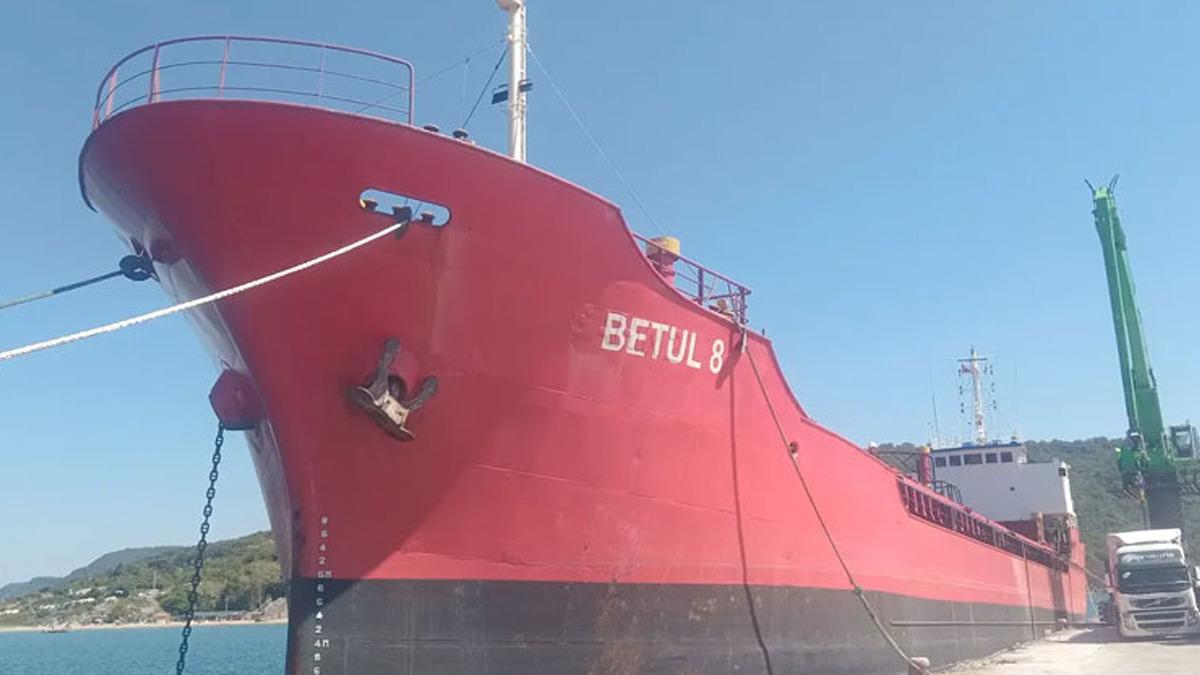
On November 16, 2026, a routine voyage across the Black Sea turned into a desperate struggle for survival when the Somali-flagged cargo ship BETUL 8 sent out a distress call. The vessel, built in 1988 and transporting approximately 3,000 tons of wheat from Romania's Tulcea to Egypt, had encountered a catastrophic problem. Bulgarian authorities received the emergency signal as the ship began taking on water, setting in motion a complex international rescue operation in one of Europe's busiest maritime corridors.
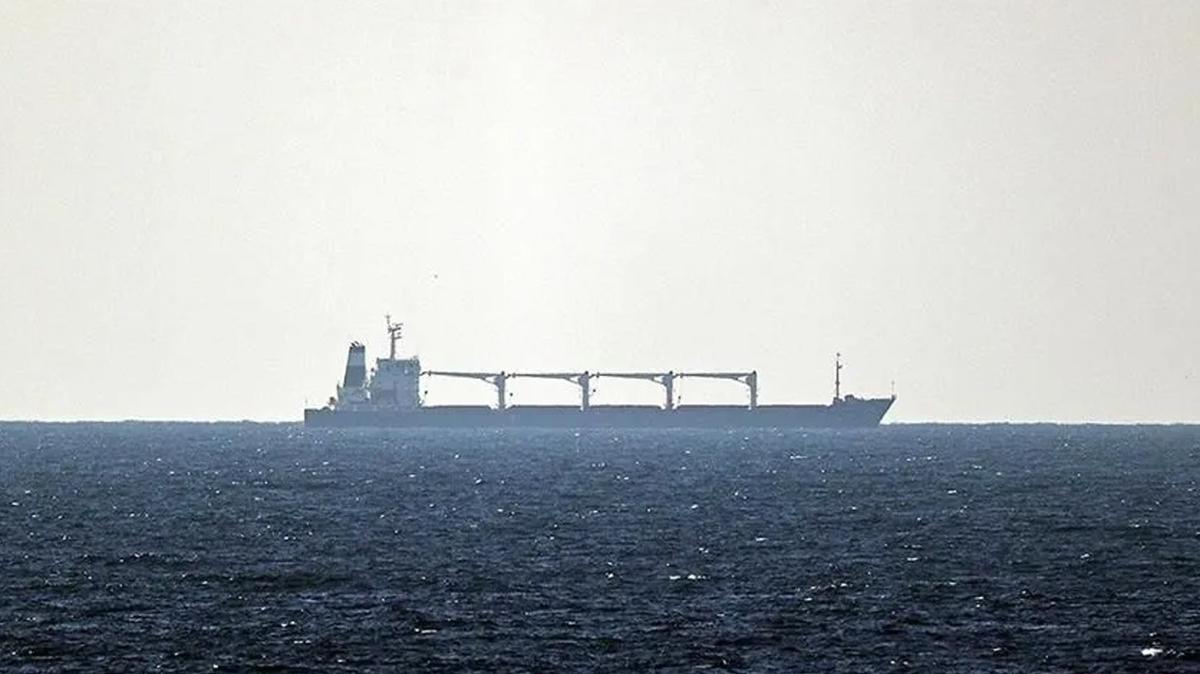
The BETUL 8 sank in Bulgaria's Exclusive Economic Zone, approximately 40 nautical miles southeast of Cape Kaliakra. Initial reports suggested the vessel had been struck by an explosion, though the cause remained undetermined. The urgency of the situation prompted immediate deployment of rescue assets from multiple nations, reflecting the international nature of maritime commerce and the shared responsibility for safety in these waters.
Bulgaria took the lead in coordinating the rescue operation, dispatching two ships to the area. Romania and Turkey each contributed one vessel, demonstrating regional cooperation in responding to maritime emergencies. The air component of the operation involved two Cougar helicopters and one Su-25 aircraft from the Bulgarian Air Force, which would prove crucial in the final stages of the rescue. The Black Sea Mine Countermeasures Task Group also deployed four military ships, adding significant capability to the search and rescue efforts.
The Black Sea Mine Countermeasures Task Group also deployed four military ships, adding significant capability to the search and rescue efforts.
As the rescue operation unfolded, details emerged about the crew aboard the BETUL 8. Contrary to initial reports that all 12 crew members were Turkish, authorities later confirmed the vessel carried a mix of nationalities: 8 Turkish citizens and 4 Azerbaijani citizens. This international composition is typical in global shipping, where crew members often come from various countries. In a development that brought relief to all involved, all 12 crew members were successfully rescued by helicopter, pulled from the cold waters of the Black Sea before the vessel completely sank beneath the waves.
While the immediate crisis had been resolved, questions about the cause of the sinking remained paramount. Bulgarian authorities launched an investigation to determine whether the explosion that sank the BETUL 8 was the result of a naval mine or an unmanned aerial vehicle (UAV) attack. The possibility of a deliberate attack raised concerns about maritime security in the Black Sea region, particularly given the vessel's proximity to Bulgarian waters and its cargo of wheat, which might have been a target for various reasons.
The incident highlighted the ongoing challenges of maritime security in the Black Sea, a region where geopolitical tensions can sometimes manifest as threats to commercial shipping. The investigation into the BETUL 8's sinking would take on particular significance given the possibilities of either a wartime remnant (naval mine) or a more contemporary threat (UAV attack). For now, the focus remained on the successful rescue of all crew members, but the questions surrounding the vessel's fate would likely reverberate through maritime safety discussions for months to come.