
For any student navigating the halls of secondary education, the rhythm of the academic year is usually defined by a familiar, pressing urgency. Deadlines arrive swiftly, examinations loom on the horizon, and the margin for logistical error can feel razor-thin. But a recent decision out of Lahore introduces a different kind of cadence—one built on foresight, early planning, and a deliberate effort to ease the anxieties that typically accompany the transition into high-stakes testing.
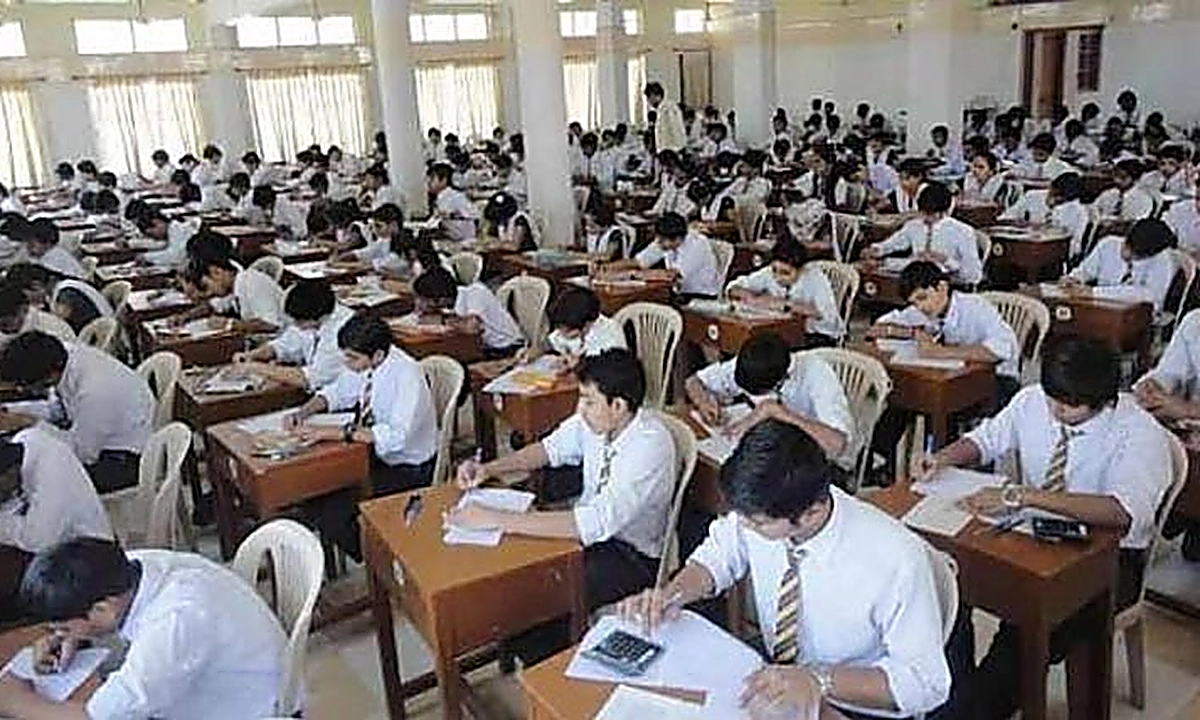
Education authorities in Lahore have officially announced that the Class 10 annual exams will commence on March 16, 2027. By anchoring a definitive date well in advance, the administration is shifting away from last-minute scrambles and toward a more measured approach. This structural clarity matters immensely for a system where millions of students transition through pivotal academic milestones every year, providing a stable target for both educators mapping out syllabi and households organizing their lives around study schedules.
Behind this calendar shift lies the institutional machinery of the Punjab Boards Committee of Chairpersons (PBCC). This body holds the critical responsibility of standardizing and synchronizing academic policies across the region. By formally approving the examination schedule and the online admission timeline for the 2026-27 academic session, the committee has established a unified framework. Rather than leaving schools to guess or navigate fragmented local timelines, the PBCC has created a single, predictable anchor for the entire educational ecosystem.
For regular students wishing to secure their place in the upcoming matriculation cycle, the official window opens on November 2.
With the dates locked into place, the mechanics of administration swing into motion through the online admission timeline. For regular students wishing to secure their place in the upcoming matriculation cycle, the official window opens on November 2. This digital portal serves as the primary gateway for candidates to register their particulars, ensuring that their academic standing is formally recognized by the governing boards without unnecessary friction.
Every administrative deadline, however, must navigate the realities of human procrastination and unforeseen delays. The registration window remains open through November 23, giving students a multi-week span to complete their paperwork under standard conditions. This initial phase allows educational institutions to process the bulk of their rosters cleanly, establishing an orderly flow of data before the pressure of late-stage processing begins to mount across the provincial boards.
For those who miss the initial autumn window, the system provides a safety valve, though it comes with a distinct financial consequence. Applications submitted after the November 23 deadline will face an additional fee of Rs600 per student. While modest in the grand scheme of educational expenses, this penalty serves as a necessary administrative deterrent, encouraging timely compliance so that boards can finalize examination centers, invigilation duties, and question paper distribution without chaotic eleventh-hour disruptions.
Ultimately, the early announcement of the 2027 matriculation cycle is not merely an exercise in bureaucratic calendar-keeping. The explicit aim of this proactive scheduling is to help schools and students prepare adequately for the upcoming examinations. By removing the guesswork from the administrative calendar, educational leaders are betting that an informed, unhurried student body will be better equipped to meet the demands of the academic road ahead.
