On November 9, 2026, the world watched as Jensen Huang, the head of Nvidia, sent an email to his staff. It was not a standard update on quarterly earnings or new chip releases. Instead, it contained a confession that would ripple through Silicon Valley and Washington alike. In the message, Huang apologized directly to his family and colleagues. He stated clearly that he had betrayed his wife. This admission marked a turning point in a story that began just over a month prior with a report from The New York Times.

To understand the gravity of Huang's apology, one must look back to October 29, 2026. On that date, The New York Times published a report alleging that Huang was the target of a Chinese espionage plot. The core of the accusation involved the transfer of confidential AI chip data to Beijing. At the time, the company denied any leak of confidential information, but the allegation cast a shadow over their most advanced technology. The revelation followed this initial report, forcing the industry to confront whether trust could be maintained when intelligence agencies identified internal risks.

JUST IN: Nvidia’s $NVDA board investigates CEO Jensen Huang over alleged ties to a Chinese spy. https://t.co/em4snzVMoh
The investigation into the breach led to the identification of a specific individual within the network of suspects. US intelligence agencies identified Alice Huang as a Chinese spy. She was described as a senior official at Singapore-based data center company Megasync. Her name shared a similarity with the CEO, creating a complex web of relationships that became central to the scandal. When Jensen Huang admitted to having a romantic relationship with this agent, the implications extended beyond personal ethics; they touched on the very heart of corporate security protocols and international relations.
The stance remained neutral during this period, focusing on due process rather than public defense of the breach itself.
Following the admission, Nvidia took immediate steps to address the situation. While the company denied any leak of confidential information, they initiated a thorough inquiry into the allegations. This independent investigation was launched on November 9, 2026, alongside other developments regarding the relationship. The stance remained neutral during this period, focusing on due process rather than public defense of the breach itself. The goal was to determine the extent of the compromise while maintaining the integrity of the organization.

I fully support $NVDA and Jensen Huang through this time. Even the most legendary figure in the AI industry is human. Trump, Clinton, Bezos, Gates, and many others have faced scrutiny over their personal lives. It takes courage to own up to it publicly and move forward https://t.co/1DBwuUrtJM
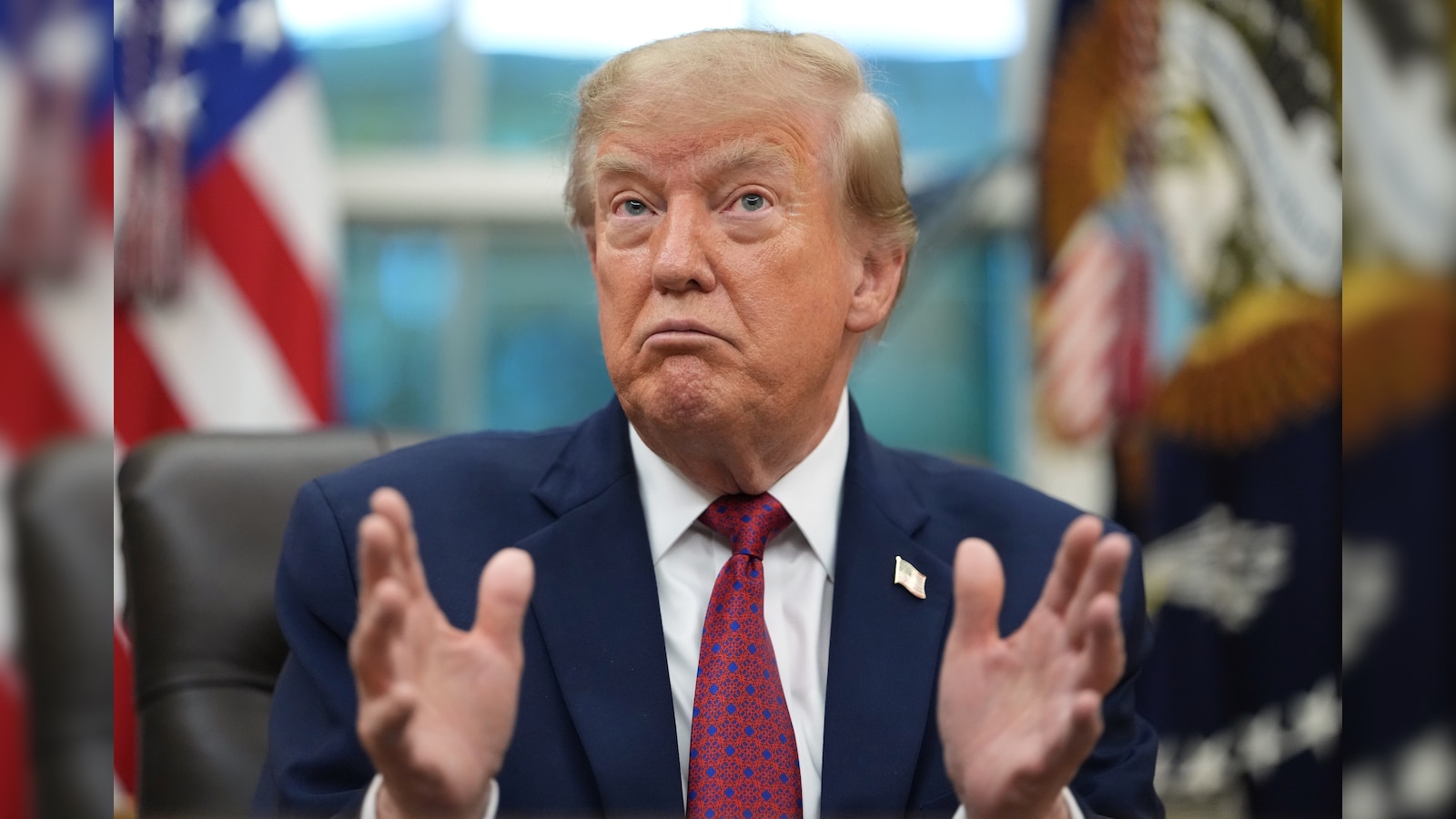
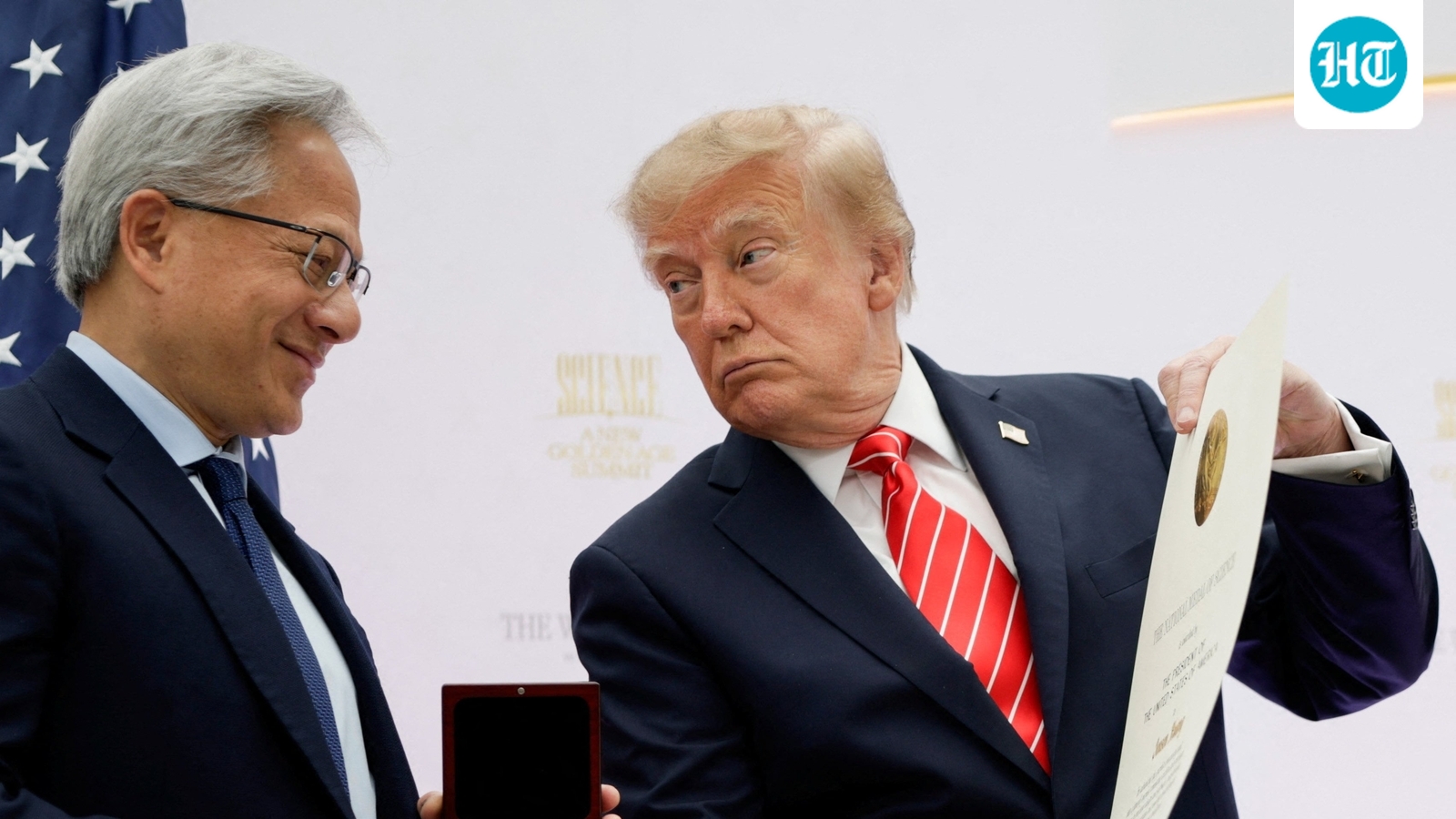
As the narrative unfolded, political reactions emerged quickly. Donald Trump publicly defended Huang, describing him as a respected individual who should remain as Nvidia's CEO. His support came despite the serious nature of the espionage allegations against the company. Trump characterized the situation by stating, "He is a respected person." This defense highlighted the tension between national security concerns and the protection of high-profile figures in the technology sector. It signaled that the administration viewed the leadership's position as essential, even amidst the controversy.
Jensen Huang's admission focused heavily on the personal fallout. He expressed sorrow to his family and all of you, acknowledging that he betrayed his wife. This language shifted the focus from abstract espionage to human consequences. By admitting the relationship with Alice Huang, the spy, Huang acknowledged a breach of loyalty that affected his private life. The apology served as a bridge between the corporate crisis and the personal stakes involved, emphasizing that the scandal was not merely about chips or data, but about trust and fidelity.
As of late 2026, the situation remains under review following the independent investigation initiated by Nvidia. The timeline shows distinct milestones from the October 29th report to the November 9th admissions and defenses. While the details of the investigation continue, the initial facts are clear: a relationship with a foreign intelligence agent was confirmed, and the consequences have been felt across multiple levels of government and business. The story serves as a reminder of the vulnerabilities inherent in global supply chains and the complex dynamics between technology leaders and state actors.